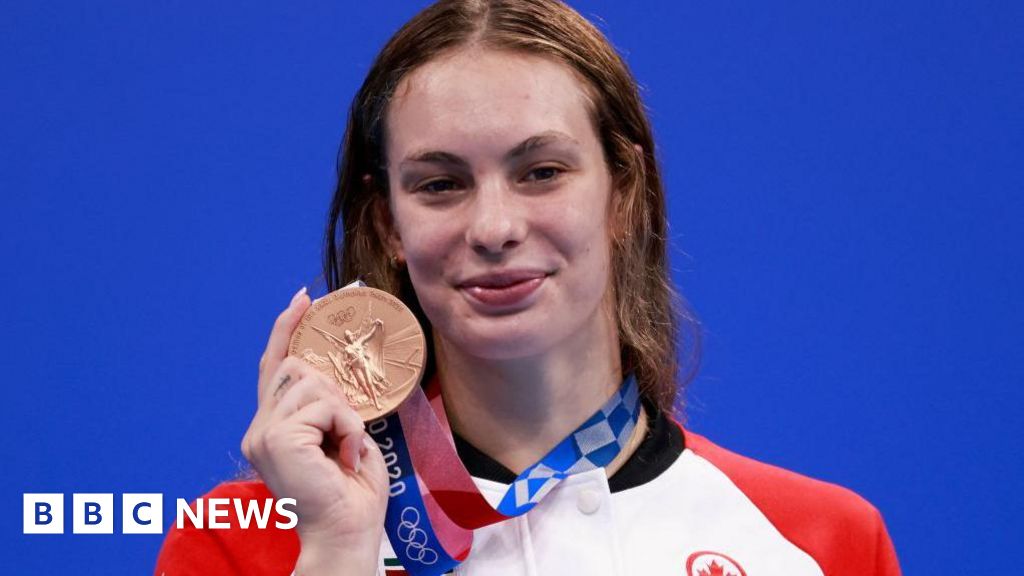
Penny Oleksiak Faces two-Year Ban: A look at the Situation and what it Means for the Canadian Swimmer
Penny Oleksiak, Canada’s most decorated Olympian, will be sidelined from competition for two years following an anti-doping rule violation.This news, announced by the International Testing Agency (ITA), has sent ripples through the swimming world, prompting questions about the specifics of the case and its impact on Oleksiak’s future. Let’s break down what happened, why it matters, and what you need to know.
Understanding the Violation: Whereabouts Failures
The core of this situation revolves around “whereabout failures.” Essentially,athletes at Oleksiak’s level are required to meticulously detail their daily location and a one-hour window each day where they are readily available for drug testing. This isn’t about what an athlete is taking, but where they are, ensuring accessibility for unbiased, out-of-competition testing.
Oleksiak accumulated three such failures within a 12-month period, triggering the ban. While the ITA acknowledged Oleksiak’s explanation that these were unintentional errors,anti-doping regulations are strict and leave little room for exception.
A Decorated Career Interrupted
At 25 years old, Oleksiak boasts an notable seven Olympic medals. She burst onto the scene at the 2016 Rio Olympics, becoming Canada’s youngest Olympic champion at just 16 years old. Her talent and dedication have made her a national icon, and her absence will undoubtedly be felt within the canadian swimming community.
This suspension means Oleksiak is ineligible to compete until July 2027. Tho, the possibility of her returning to the pool for the 2028 Los Angeles Olympics remains open.
The Response: Support and Acceptance
Swimming Canada has expressed its support for Oleksiak, acknowledging her explanation and emphasizing that the case doesn’t involve any prohibited substances. Suzanne Paulins, Swimming Canada’s CEO, stated the association accepts Oleksiak’s explanation of inadvertent errors.
Paulins also highlighted the importance of maintaining a level playing field for all athletes, even in situations where no intentional wrongdoing is suspected. The organization has expressed hope for Oleksiak’s swift return to competition when her suspension concludes.
What This means for Athletes and Anti-Doping Procedures
This case underscores the critical importance of meticulous compliance with anti-doping regulations. It’s a reminder that even unintentional errors can have notable consequences for an athlete’s career.
Here’s a speedy look at key takeaways:
* Strict Liability: Athletes are ultimately responsible for knowing and adhering to all anti-doping rules.
* Whereabouts Information: Accurate and up-to-date whereabouts information is crucial for effective testing.
* Unintentional Violations: While unintentional, failures can still result in sanctions.
Looking Ahead: Oleksiak’s Potential Return
Despite the setback, the door isn’t closed on oleksiak’s Olympic aspirations. The 2028 Los Angeles Games offer a potential platform for her return.
Oleksiak herself has maintained her commitment to clean sport, emphasizing that the case did not involve any banned substances.Her dedication and talent, combined with a renewed focus on compliance, could see her back on the podium in the years to come.
This situation serves as a stark reminder of the complexities surrounding anti-doping regulations and the importance of vigilance for all athletes striving for excellence. it’s a challenging time for Penny Oleksiak, but her resilience and determination suggest she’s prepared to navigate this hurdle and continue her remarkable swimming journey.