
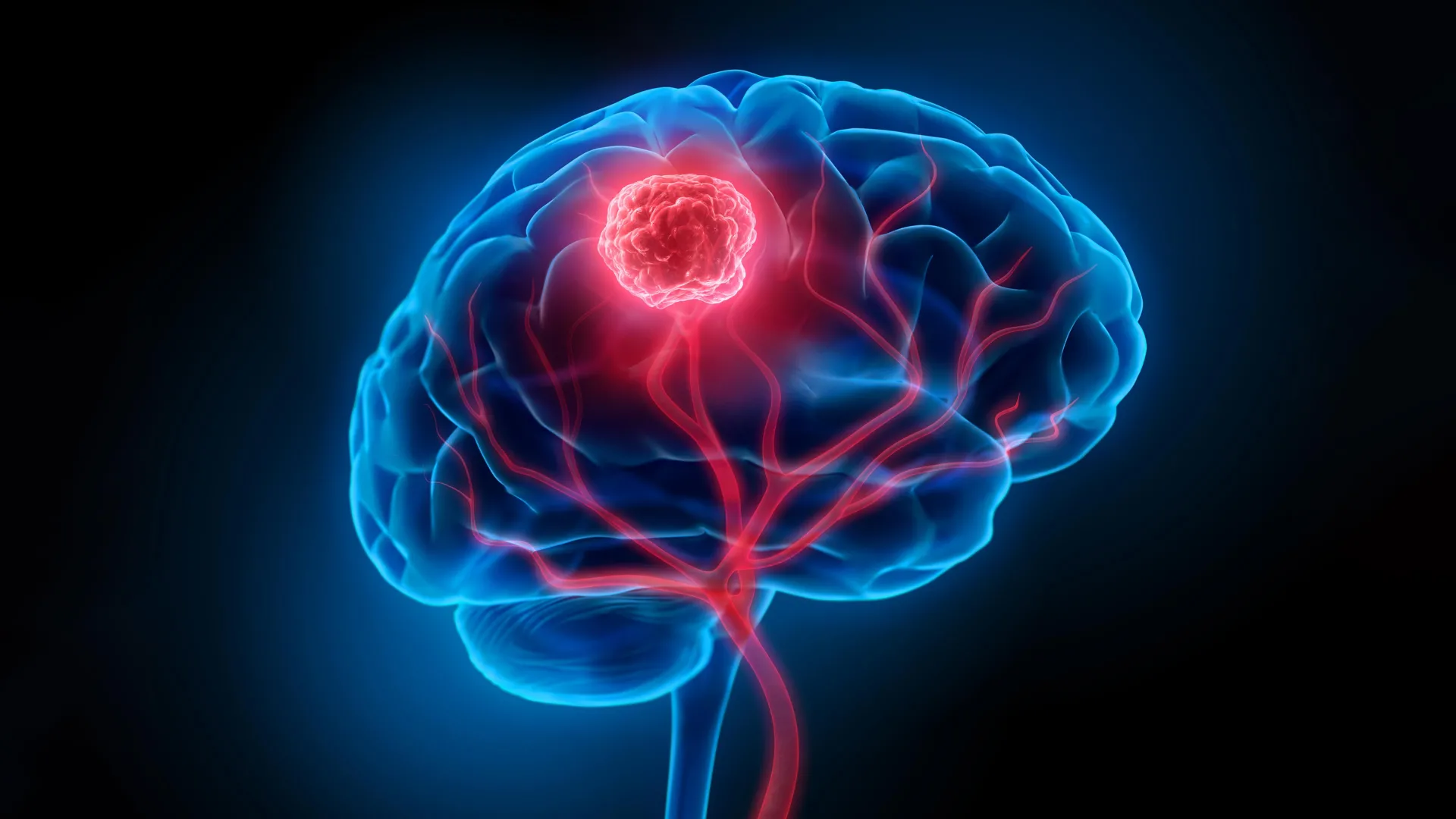
Researchers in Canada have identified a critical vulnerability in glioblastoma, one of the most aggressive and deadly forms of brain cancer. The discovery centers on a hidden communication network where specific brain cells—previously thought to only support healthy nerve function—actually send signals that strengthen cancer cells and promote tumor growth.
The study, published in the journal Neuron, was conducted by a collaborative team from McMaster University and The Hospital for Sick Children (SickKids). By blocking this cellular communication in laboratory models, the scientists observed that tumor growth slowed dramatically, opening a potential latest door for treating a disease that is currently considered incurable.
This breakthrough is particularly significant given the nature of glioblastoma (GB). As the most common and aggressive malignant primary brain tumor, GB is characterized by rapid growth and a poor prognosis, with survival often measured in months. The ability to disrupt the “support system” the tumor uses to thrive could offer a vital new strategy for patients who currently face very limited treatment options.
Beyond the discovery of these supportive cells, the research team pointed to a potential therapeutic lead: an existing drug used to treat HIV may be able to interfere with this communication process. While still in the laboratory phase, this represents a possible path toward repurposing existing medication to combat brain cancer.
Understanding Glioblastoma: The Most Aggressive Brain Tumor
Glioblastoma, also known as glioblastoma multiforme, is a WHO Grade IV astrocytoma. It’s the most aggressive type of malignant brain tumor in adults. According to the Brain Tumour Foundation of Canada, the incidence of glioblastoma in Canada is 4 per 100,000 people. The disease accounts for 50-60% of all astrocytic tumors and approximately 12-15% of all intracranial tumors.
The tumor is known for its invasive nature. The cells grow quickly and are not well-defined, allowing them to spread throughout the brain. While most commonly found in the cerebral hemispheres, glioblastomas can also develop in the brainstem, cerebellum, or spinal cord. These tumors may develop directly or evolve from a lower-grade glioma, a process known as secondary GB.
The impact on the patient is profound. Because the tumor increases pressure within the brain, common symptoms include headaches, nausea, vomiting, and seizures. Depending on the tumor’s location, patients may also experience weakness in the limbs, decreased sensation, progressive memory decline, personality deficits, or a decreased level of consciousness.
Who is Most Affected?
Glioblastoma frequency increases with age, with a peak incidence occurring between 45 and 75 years of age. Statistics indicate that the disease affects more men than women. While it primarily affects adults, it can manifest at any age; however, glioblastomas make up only 3% of childhood brain tumors.
The Role of “Hidden” Brain Cells in Tumor Growth
The core of the recent discovery by McMaster University and SickKids researchers is the revelation that the brain’s own support system is being hijacked by the cancer. For years, certain brain cells were believed to function solely to maintain healthy nerves. However, this study reveals that these cells are actually aiding the glioblastoma by sending signals that strengthen the cancer cells.
In the laboratory models, when scientists successfully blocked this specific communication network, the growth of the tumor dropped significantly. This suggests that the tumor does not exist in isolation but relies on a symbiotic relationship with the surrounding brain environment to expand and resist treatment.
This finding addresses one of the primary challenges in glioblastoma management: rapid tumor growth and high recurrence rates. By targeting the signals that fuel the cancer rather than just the cancer cells themselves, researchers may be able to slow the progression of the disease more effectively.
The Current Landscape of Glioblastoma Care in Canada
The complexity of treating glioblastoma has led to a push for standardized care across Canada. Because the disease is so aggressive and treatment effectiveness has historically been limited, a multidisciplinary panel of 14 Canadian experts recently convened a Delphi study to develop consensus recommendations for diagnosis, classification, and management.
These updated guidelines aim to integrate novel therapies and molecular markers to provide evidence-based guidance for both newly diagnosed and recurrent glioblastoma. The goals of these recommendations include:
- Standardizing the diagnosis and classification of tumors across the country.
- Optimizing the selection of treatments based on the latest clinical evidence.
- Integrating targeted therapy, immunotherapy, and tumor-treating fields into care plans.
- Enhancing the overall quality of life for patients facing a poor prognosis.
Key Challenges in Management
Despite these efforts and new research, glioblastoma remains a formidable opponent. The primary obstacles include the tumor’s ability to grow rapidly, the limited effectiveness of current treatments, and the high likelihood of the cancer returning after initial intervention.
Summary of Glioblastoma Characteristics
| Characteristic | Detail |
|---|---|
| WHO Grade | Grade IV (Astrocytoma) |
| Incidence (Canada) | 4 per 100,000 people |
| Peak Age Range | 45 to 75 years |
| Prevalence | 12-15% of all intracranial tumours |
| Primary Symptoms | Headache, seizures, memory decline, personality changes |
What Happens Next?
The identification of the communication network between brain cells and glioblastoma provides a concrete target for future drug development. The potential use of an existing HIV drug to interfere with these signals is a promising lead that could accelerate the path to new clinical treatments, bypassing some of the lengthy timelines associated with developing entirely new compounds.
As the medical community continues to refine the Canadian consensus recommendations for diagnosis and management, the integration of such molecular and cellular discoveries will be essential for improving patient outcomes.
Further updates on this research and its transition from laboratory models to human clinical trials are expected as the findings from McMaster University and SickKids are further analyzed. We encourage readers to share this article and leave comments regarding their interest in medical innovation and brain health.