
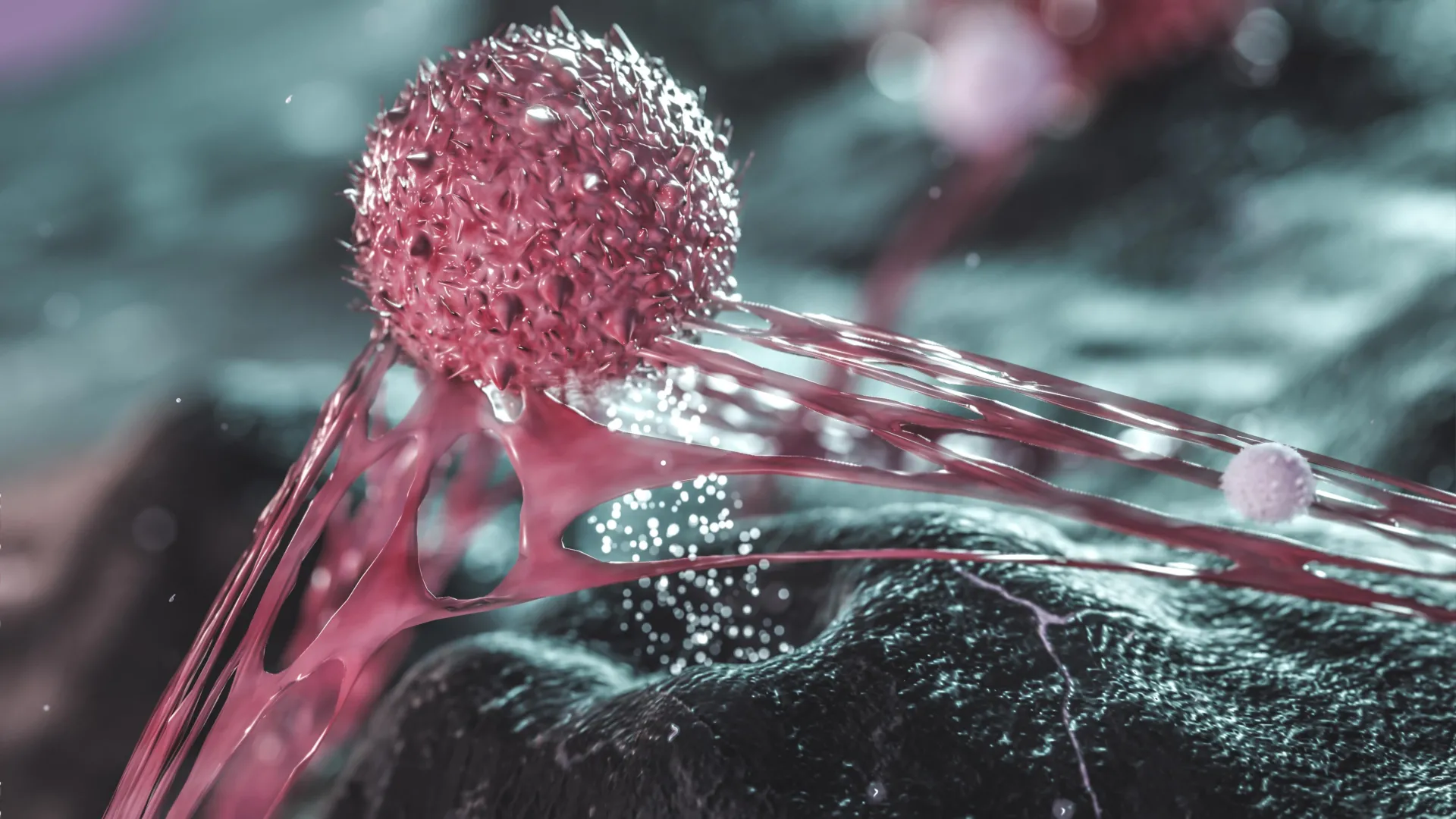
The Adaptive Cancer Cell: How Physical Forces Drive Epigenetic Conversion
CancerS ability to evolve and resist treatment stems not just from genetic mutations, but from a remarkable plasticity - a capacity to rapidly change its behavior and characteristics. Increasingly, research reveals this adaptability isn’t solely driven by internal cellular processes, but significantly influenced by the physical surroundings surrounding the tumor. This article delves into the groundbreaking discovery of how mechanical forces within the tumor microenvironment trigger epigenetic changes, driving cancer cells towards invasiveness and treatment resistance.
What are Epigenetic Modifications and Why Are They Crucial in Cancer?
Epigenetics refers to changes in gene expression without alterations to the underlying DNA sequence. Think of DNA as the hardware and epigenetics as the software - it dictates which genes are turned on or off. These modifications, like DNA methylation and histone acetylation, are reversible, making them a tempting, yet historically challenging, target for cancer therapy. unlike mutations, epigenetic changes aren’t fixed; they can fluctuate in response to signals, allowing cancer cells to quickly adapt. Understanding these signals is crucial for developing effective interventions.
How Does the Tumor Microenvironment Influence epigenetics?
Traditionally, epigenetic changes were considered products of internal cellular signaling. However, a recent study published in Nature, led by researchers at Ludwig Oxford and Memorial Sloan Kettering Cancer Center, demonstrates a powerful external influence: physical confinement. Using a zebrafish model of melanoma, the team observed that when tumor cells are squeezed by surrounding tissues, they undergo a dramatic shift in behavior. This isn’t simply a response to crowding; it’s a basic reprogramming driven by mechanical stress.
The Role of HMGB2: A Key Mediator of Mechanical Stress
At the heart of this transformation lies HMGB2, a protein responsible for bending DNA. The study revealed that when melanoma cells are physically confined, HMGB2 actively binds to chromatin – the complex of DNA and proteins that make up chromosomes. This binding alters the way genetic material is packaged, effectively exposing regions of the genome associated with invasiveness.The result? Cells become less focused on rapid proliferation and more adept at migrating and spreading, while concurrently developing resistance to conventional therapies.HMGB2,therefore,acts as a crucial translator of mechanical stress into epigenetic change.
Beyond HMGB2: The Protective Role of the LINC Complex
The cellular response to confinement extends beyond epigenetic modifications. Researchers also discovered that melanoma cells reinforce their internal structure, building a cage-like framework around the nucleus. This protective shield is orchestrated by the LINC complex, a molecular bridge connecting the cell’s skeleton to the nuclear envelope. This structural remodeling safeguards the nucleus from rupture and DNA damage caused by the intense pressure of confinement. It’s a remarkable example of cellular engineering in response to environmental challenges.
Why is This Discovery Meaningful for Cancer Treatment?
This research fundamentally shifts our understanding of cancer cell adaptability. It highlights that cancer isn’t simply a disease of mutated genes, but a dynamic interplay between genetics and the physical environment. The implications for treatment are profound. Conventional therapies often target rapidly dividing cells,but this study demonstrates that a significant population of cancer cells can transition to a slow-growing,invasive,and drug-resistant state triggered by mechanical cues.
What are the Future Directions for Research?
the identification of HMGB2 and the LINC complex as key players in this process opens new avenues for therapeutic intervention. Researchers are now focused on developing strategies to:
* Prevent the invasive transformation: Can we disrupt the HMGB2 pathway to prevent cells from responding to mechanical stress?
* Reverse the epigenetic changes: Are there ways to “re-program” cells that have already undergone this transformation, restoring their sensitivity to treatment?
* Target the tumor microenvironment: Can we modify the physical properties of the tumor microenvironment to make it less conducive to invasiveness?
the emerging field of cancer mechanobiology is revealing the profound influence of physical forces on cancer cell behavior. By understanding how cancer cells adapt to their environment, we can develop more effective and targeted therapies that overcome the challenges of treatment resistance and ultimately improve patient outcomes.
Q&A Pairs:
1. Q: What is epigenetics and how does it differ from genetic mutation in the context of cancer?
A: Epigenetics involves changes in gene expression without altering the DNA sequence itself,acting like software controlling the hardware of our genes. Unlike genetic mutations, which are permanent changes to the DNA code, epigenetic modifications are reversible, allowing cancer cells to rapidly adapt to their environment. This reversibility makes them a challenging but perhaps valuable therapeutic target.
2. Q: How does the tumor microenvironment contribute to cancer cell adaptation, according to recent research?
A: the tumor microenvironment, specifically the physical forces within it





