Breaking the Cycle: How Specialized Cannabis Care is Transforming Mental Wellbeing
For years, the connection between cannabis use and mental health challenges has been a complex and often overlooked area. Many individuals struggling with psychosis or severe anxiety haven’t had their cannabis use adequately addressed as part of their treatment plan. This is now changing,with the emergence of specialized clinics offering integrated care,and the results are profoundly encouraging.
Imagine experiencing delusions so powerful you believe you are a deity, wandering the streets in the middle of the night. This was the reality for one woman,caught in a decades-long cycle of hospitalizations – sectioned 50 times – all while receiving mental health support that didn’t directly address her heavy cannabis use.
She wasn’t alone. Increasingly,clinicians are recognizing that for a meaningful number of patients,cannabis isn’t just correlated with mental health issues,it’s a contributing factor - and frequently enough a key one.
The Rising Strength & Rising Risks
The cannabis available today is vastly different than what was common even a decade ago. Potency has dramatically increased, leading to a higher risk of adverse mental health outcomes, particularly for young people.Research consistently demonstrates a link between high-strength cannabis and an increased risk of psychosis, anxiety, and depression.
Here’s what you need to understand:
* Higher THC levels: Modern cannabis strains often contain significantly higher levels of THC, the psychoactive compound, than older varieties.
* Adolescent vulnerability: The developing brain is particularly susceptible to the negative effects of THC.
* Early onset matters: Starting cannabis use at a young age (before 20) is associated with a greater risk of mental health problems.
* Daily use amplifies risk: Frequent, daily cannabis use further elevates the risk.
A New Approach: Integrated Cannabis Care
The turning point for the woman mentioned earlier came with access to a specialized clinic. This wasn’t about simply telling her to stop using cannabis. Instead, it was a holistic approach that combined:
* Psychological therapy: Addressing underlying trauma and developing coping mechanisms.
* Medical monitoring: Managing withdrawal symptoms and co-occurring conditions.
* Personalized support: Creating a tailored plan to achieve and maintain abstinence.
* Understanding the impact: Educating patients about the specific effects of cannabis on their mental health.
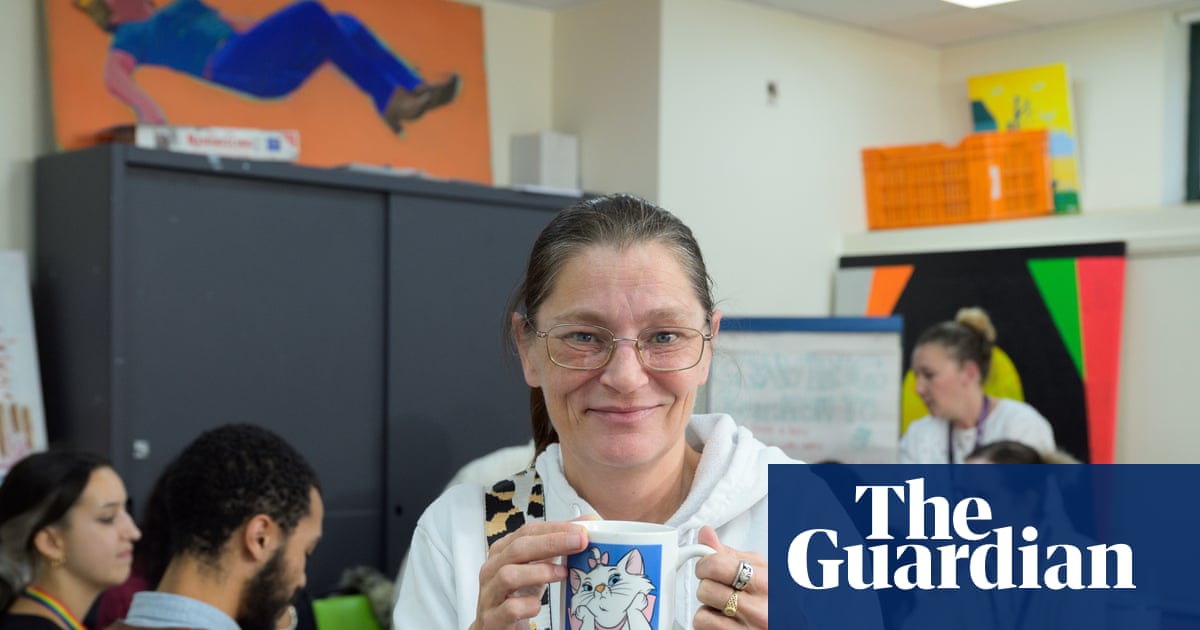
Within a year,she achieved abstinence. While she still experiences residual effects like intrusive thoughts, her quality of life has dramatically improved.She’s sleeping, eating, and re-engaging with the world. ”I wouldn’t say I’m better, but I’m a lot healthier,” she shared, adding with a smile, “And I’m dying for a sandwich!”
What This Means for You
If you or someone you know is struggling with mental health issues and also uses cannabis, it’s crucial to explore whether cannabis is playing a role. Don’t hesitate to:
- Talk to a healthcare professional: Discuss your cannabis use openly and honestly.
- Seek specialized care: Look for clinics or therapists with expertise in cannabis use disorder and mental health.
- Be patient and persistent: Recovery takes time and effort, but it is possible.
- Remember you’re not alone: Many people are facing similar challenges,and support is available.
This integrated approach isn’t just about stopping cannabis use; it’s about empowering individuals to reclaim their lives and build a healthier future. It’s a seismic shift in how we understand and treat the complex relationship between cannabis and mental wellbeing.
If you are struggling with suicidal thoughts or a mental health crisis, please reach out for help.You are not alone.
* Samaritans: Call freephone 116 123, or email jo@samaritans.org or jo@samaritans.ie.
* National Suicide Prevention Lifeline (US): Call or text 98