The Rising Trend of Self-Medicating Sleep with Cannabis and Alcohol: What Young Adults Need to Know
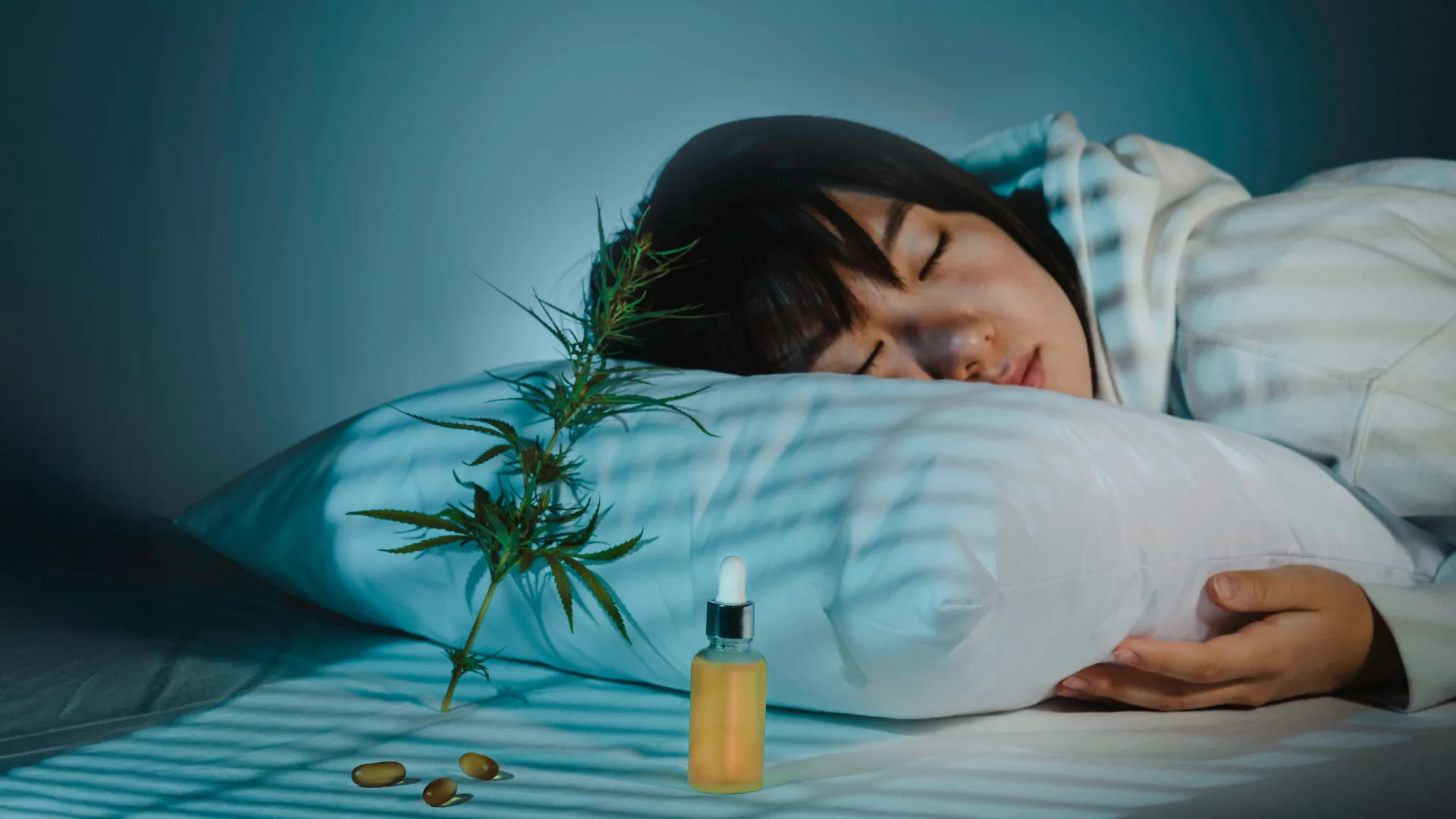
A significant number of young adults are turning to cannabis and alcohol to manage sleep,a practice that experts warn may be exacerbating,rather than solving,underlying sleep issues. New data from the University of Michigan’s Monitoring the Future Panel study, funded by the National Institute on Drug Abuse, reveals that 22% of Americans aged 19-30 report using substances – cannabis, alcohol, or both – as sleep aids. This concerning trend demands a closer look at the potential risks and the importance of seeking evidence-based solutions for sleep disturbances.
Cannabis Dominates, But Alcohol Use Varies
The study highlights a clear preference for cannabis over alcohol when it comes to self-treating sleep problems. Approximately 18% of young adults reported using cannabis to fall asleep, compared to just 7% who opted for alcohol. Interestingly, among those who have used cannabis in the past year, a significant 41% cited falling asleep as a primary motivation.
However, the data also reveals disparities in substance use based on demographic factors.Black young adults are three times more likely than their white counterparts to use alcohol as a sleep aid. Furthermore, significant gender differences emerged, with women nearly twice as likely as men to use cannabis for sleep, and individuals identifying with genders other than male reporting cannabis use for sleep at more than four times the rate of men. These variations underscore the need for tailored interventions and a nuanced understanding of the factors driving substance use for sleep.
The Paradox of substance-Induced Sleep: Why It Backfires
While the immediate effects of cannabis or alcohol might seem conducive to sleep, researchers emphasize that relying on these substances can disrupt sleep architecture and ultimately worsen sleep quality.”Using these substances to get to sleep can backfire because they can interfere with the ability to stay asleep and with the quality of sleep,” explains Megan Patrick, research professor at the Institute for Social Research and principal investigator of the MTF Panel Study. ”They appear to actually disrupt sleep in the long term.”
This disruption stems from the way these substances interact with the body’s natural sleep-wake cycle. While alcohol may initially induce drowsiness, it often leads to fragmented sleep and early morning awakenings. Cannabis, despite perceptions of its relaxing effects, can interfere with REM sleep – a crucial stage for cognitive restoration and emotional processing.
The Escalating Risks of Long-Term Use
Repeatedly turning to cannabis or alcohol to initiate sleep can create a perilous cycle. The body can develop a tolerance, requiring increasingly larger doses to achieve the same effect. This escalation not only exacerbates sleep problems but also significantly increases the risk of substance use disorder.
“Long-term,regular use of these substances to get to sleep may lead to worse sleep problems and increased risk for substance use disorder,” Patrick cautions. “Frequently using a substance to get to sleep may lead to tolerance…rather than resulting in better sleep, it may lead to additional sleep problems and escalating substance use.”
Debunking Myths and Addressing Misconceptions
A core issue driving this trend is the widespread misconception that cannabis or alcohol can improve sleep. However, the scientific evidence consistently points to the opposite. Many young adults are unaware of the detrimental effects these substances have on sleep quality and duration.
“Unfortunately, there is a misconception that substance use can be helpful for sleep problems, but it can make things worse,” Patrick emphasizes. “High-quality sleep is critical for mental health and regulating mood. Young adults told us that they are using cannabis to try to get to sleep, but doing so may make their sleep problems even worse. They need to know the potential risks.”
A Call to Action for Healthcare Providers
given the strong correlation between sleep problems and substance use in young adulthood, healthcare providers have a critical role to play. The study’s findings underscore the importance of routinely screening young adult patients for both sleep disturbances and substance use.
Clinicians should be prepared to discuss the potential risks of self-medicating with cannabis or alcohol and offer evidence-based alternatives, such as:
* Cognitive Behavioral Therapy for Insomnia (CBT-I): A highly effective, non-pharmacological treatment for insomnia.
* Sleep Hygiene Education: Guidance on establishing a regular sleep schedule, creating a relaxing bedtime routine, and optimizing the sleep surroundings.
* Addressing Underlying Mental Health Concerns: anxiety and depression are often significant contributors to sleep problems.
* Pharmacological Interventions (when appropriate): Prescription sleep aids should be considered only as a short-term solution and under the close supervision of a healthcare professional.
“Health care providers should understand how common both sleep problems and substance use are during young adulthood,” Patrick concludes. “