Turning the Tide: How Cape Verdean Women are Transforming Invasive Seaweed into Sustainable Fertilizer
Have you noticed unsettling changes along coastlines worldwide? Warming ocean temperatures are triggering a surge in invasive seaweed, impacting ecosystems and livelihoods. But in Cape Verde, a remarkable story of resilience and innovation is unfolding. Local women are not simply witnessing the problem – they’re actively solving it, transforming a reddish tide of seaweed into a valuable resource: natural fertilizer.
The Rising Red Tide: Understanding the Problem
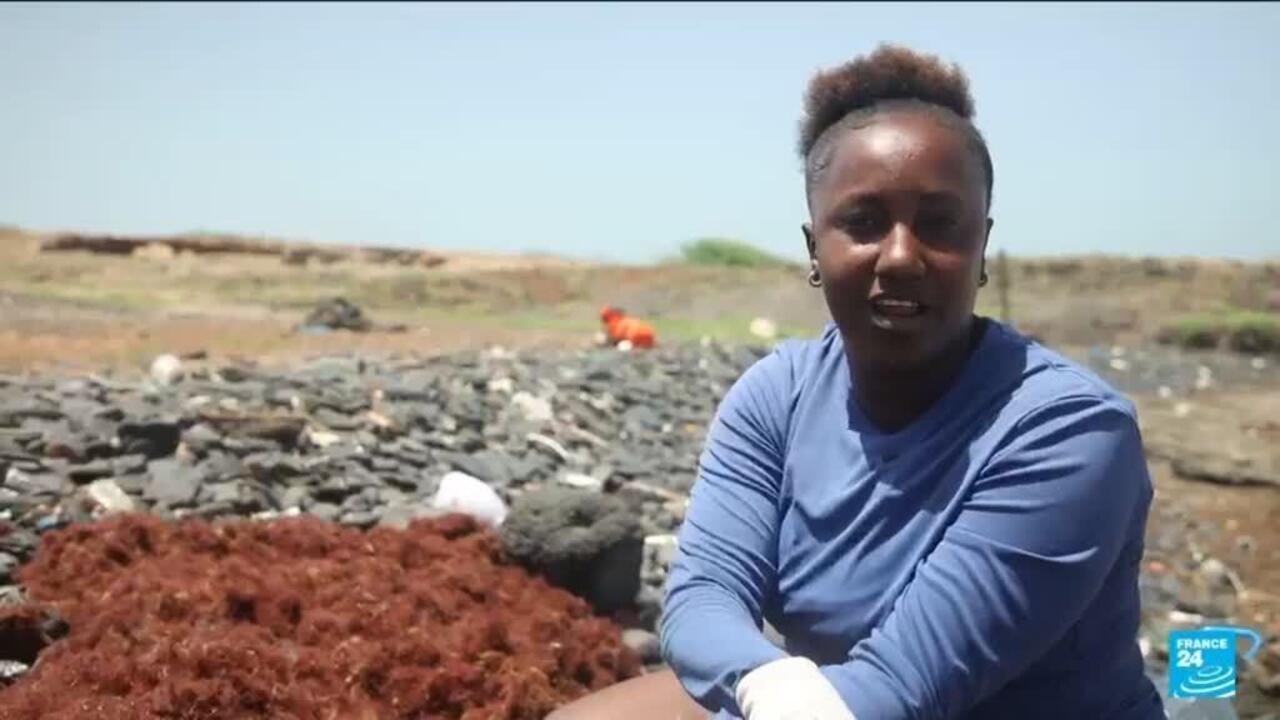
cape Verde’s lovely turquoise waters are increasingly marred by a reddish bloom. This isn’t a natural phenomenon; it’s the result of sargassum, a genus of brown algae, rapidly expanding due to warmer waters and nutrient pollution. This invasive seaweed poses significant challenges.It disrupts marine life, hinders tourism, and creates logistical nightmares for fishing communities. But where others see a problem, these resourceful women see opportunity.
What is Sargassum and Why is it Proliferating?
Sargassum isn’t inherently bad. It provides habitat for marine species. However, massive blooms, like those seen in the Atlantic, are a recent development. Research published in Nature Communications (October 2023) links increased sargassum blooms to deforestation in the Amazon rainforest, increased nutrient runoff from the Mississippi River, and rising sea surface temperatures. This complex interplay creates ideal conditions for explosive growth.
impacts Beyond the Shoreline:
* Disrupted fishing industries due to blocked nets and reduced fish populations.
* declining tourism as beaches become covered in decaying seaweed.
* Negative impacts on coastal ecosystems, smothering coral reefs and seagrass beds.
* Release of hydrogen sulfide gas as the seaweed decomposes, posing health risks.
From Coastline Cleanup to Community Empowerment
Every day, these steadfast women embark on a vital mission. They meticulously gather the sargassum from the shores, carefully laying it out to dry under the Cape Verdean sun. This isn’t just manual labor; it’s a testament to community spirit and a commitment to environmental sustainability. Once dried,the seaweed is transported back to their villages,where it undergoes a transformation into nutrient-rich,organic fertilizer.
A Step-by-Step Process:
- Collection: Women gather sargassum along the coastline, frequently enough working in organized groups.
- Drying: The seaweed is spread out on clean surfaces to dry in the sun, reducing its volume and weight.
- Processing: Dried sargassum is broken down and processed, sometimes with the addition of other organic materials.
- Fertilizer Production: The processed material is transformed into a usable fertilizer for local agriculture.
- Distribution: The fertilizer is sold to farmers, providing a sustainable income source for the community.
This innovative approach addresses multiple issues concurrently. It cleans the beaches, provides a sustainable option to chemical fertilizers, and empowers women economically. It’s a prime example of circular economy principles in action – turning waste into a valuable resource.
Benefits of Sargassum-Based Fertilizer:
* Rich in Nutrients: Sargassum contains essential nutrients like nitrogen, phosphorus, and potassium, vital for plant growth.
* improves Soil Health: It enhances soil structure, water retention, and microbial activity.
* Sustainable Alternative: Reduces reliance on synthetic fertilizers, minimizing environmental impact.
* Cost-Effective: Provides a locally sourced, affordable fertilizer option for farmers.
Beyond Fertilizer: Exploring the Potential of Sargassum
The ingenuity doesn’t stop at fertilizer. Researchers and entrepreneurs are exploring a wide range of potential applications for sargassum, including:
* Biofuel Production: sargassum can be converted into biogas, a renewable energy source.
* Animal Feed: It can be incorporated into animal feed, providing a sustainable protein source.
* Bioplastics: Sargassum’s polysaccharides can be