The Complex legacy of Brigitte Bardot: Icon, Activist, and Controversial Figure
Brigitte Bardot, the globally recognized actress and symbol of French allure, has passed away at the age of 91. Her death at her Saint-Tropez home marks the end of an era,but also reignites a conversation about a life lived with both immense artistic impact and deeply troubling contradictions. She captivated audiences in over 50 films, yet famously retreated from the spotlight before turning 40, choosing instead to dedicate herself to animal rights.
However, BardotS later years were marred by increasingly controversial statements and actions. While initially lauded for her animal advocacy, she increasingly used that platform to express vehemently anti-immigrant and prejudiced views. This led to multiple convictions - five times, to be exact – for “inciting racial hatred,” primarily stemming from her claims that Muslims were “invading” and “destroying” France.
A Shifting Public Perception
You might remember Bardot as the face of a generation, a cinematic icon who redefined beauty and sensuality. But understanding her full story requires acknowledging the darker chapters. She openly supported far-right political figures, including Marine Le Pen, and expressed homophobic sentiments in her published memoirs. This complex duality has sparked debate even in the wake of her death.
The reaction to bardot’s passing highlights this tension. Many on the right offered unqualified praise, celebrating her as a national treasure. Conversely, those on the left have been more measured in thier tributes, acknowledging her artistic contributions while together confronting her problematic views.
The Ripple Effect: A Musician’s Retraction
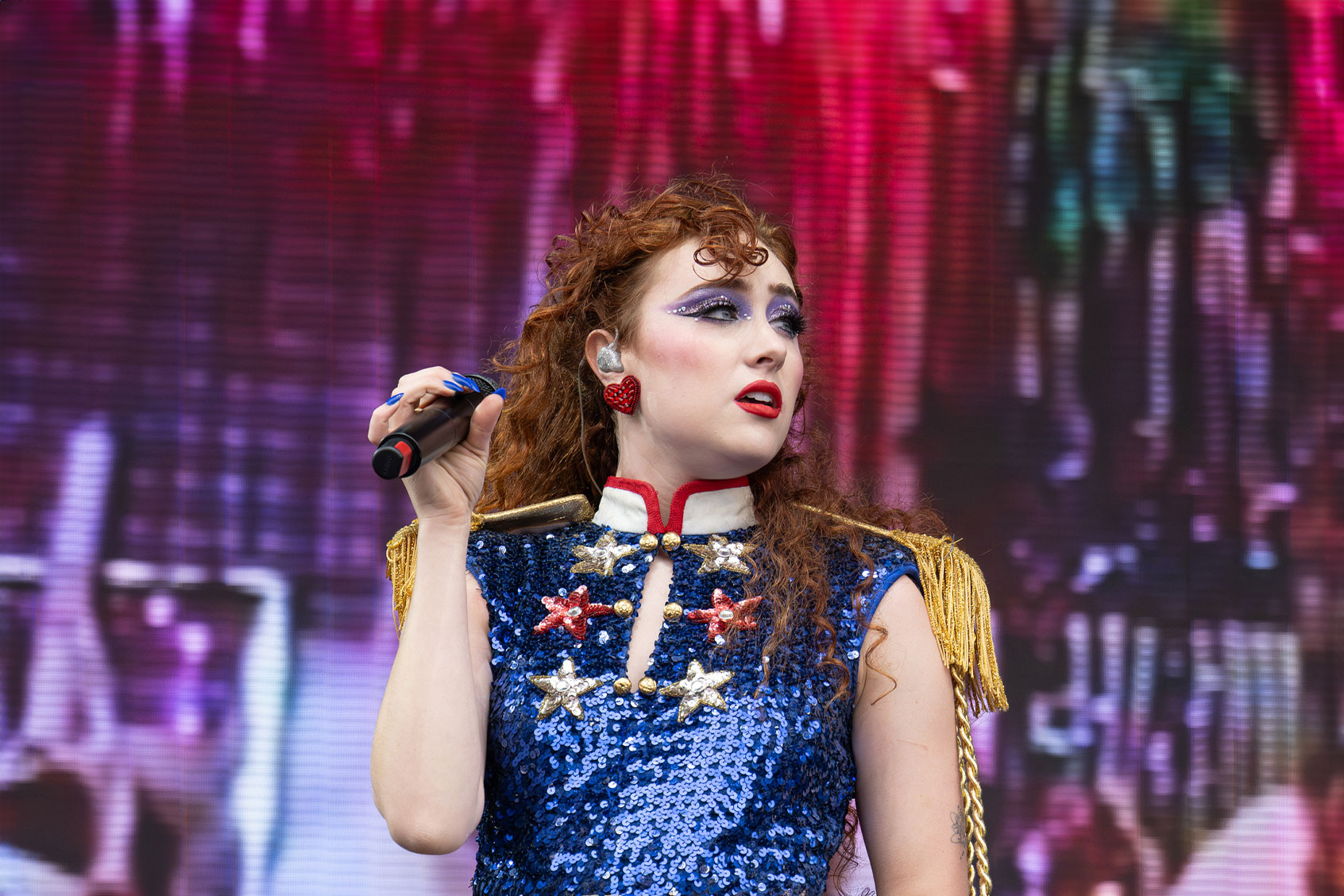
this complicated legacy even touched the world of music.Singer Roan initially memorialized Bardot on social media, citing her as inspiration for the song “Red Wine Supernova.” though, after learning about the actress’s controversial stances, Roan swiftly retracted the tribute.
“Holy st I did not know all that insane st Ms. Bardot stood for,” she wrote, expressing her disappointment and disavowal of bardot’s beliefs.This public reversal underscores the importance of critically examining the figures we admire and the values they represent.
Navigating a Difficult Remembrance
Philippe Brun, a member of the Socialist party, articulated the challenge many are facing. He described Bardot as ”a towering figure, a symbol of freedom, rebellion, and passion.” Yet, he also acknowledged the need for a thorough examination of her political commitments, suggesting a more nuanced conversation is necessary.
It’s a difficult balance: honoring artistic achievement while condemning harmful ideologies. You might find yourself grappling with these same questions as you reflect on Bardot’s life.
why This Matters
Bardot’s story serves as a potent reminder that even icons are flawed. It challenges us to:
* Separate the art from the artist. Can you appreciate someone’s creative work while rejecting their personal beliefs?
* Critically evaluate sources of inspiration. Who do you choose to admire, and why?
* Hold public figures accountable. Their words and actions have consequences.
* Recognize the power of influence. Even seemingly harmless endorsements can amplify harmful ideologies.
Ultimately, Brigitte Bardot’s legacy is a complex and uncomfortable one.It’s a story that demands honest conversation,critical thinking,and a willingness to confront the uncomfortable truths about those we once held in high esteem. it’s a reminder that true admiration requires a complete understanding – flaws and all.