
Madras High Court Revives Cases Over Alleged Illegal Construction on Chennai’s ECR
Chennai, India – After a six-year hiatus, the Madras High Court has resumed hearings in a significant batch of cases concerning alleged unauthorized construction along the East Coast Road (ECR) in Chennai. The cases involve a substantial number of properties – 798 in total – reportedly built in violation of coastal regulations between Neelangarai and Uthandi. The revival of these proceedings brings renewed scrutiny to development along this ecologically sensitive coastline and implicates a diverse group of individuals, including prominent figures in Tamil Nadu politics, film, and business.
The court’s decision to revisit the matter stems from concerns raised about constructions encroaching upon protected coastal zones. Initial notices were issued by the Greater Chennai Corporation (GCC) in 2018, following the High Court’s earlier rebuke of enforcement authorities for failing to address illegal building activity within 200 to 500 meters of the high tide line, in violation of Coastal Regulatory Zone (CRZ) notifications. These regulations are designed to protect coastal ecosystems and ensure sustainable development. The renewed legal challenge underscores the ongoing struggle to balance development with environmental preservation in the rapidly growing Chennai metropolitan area.
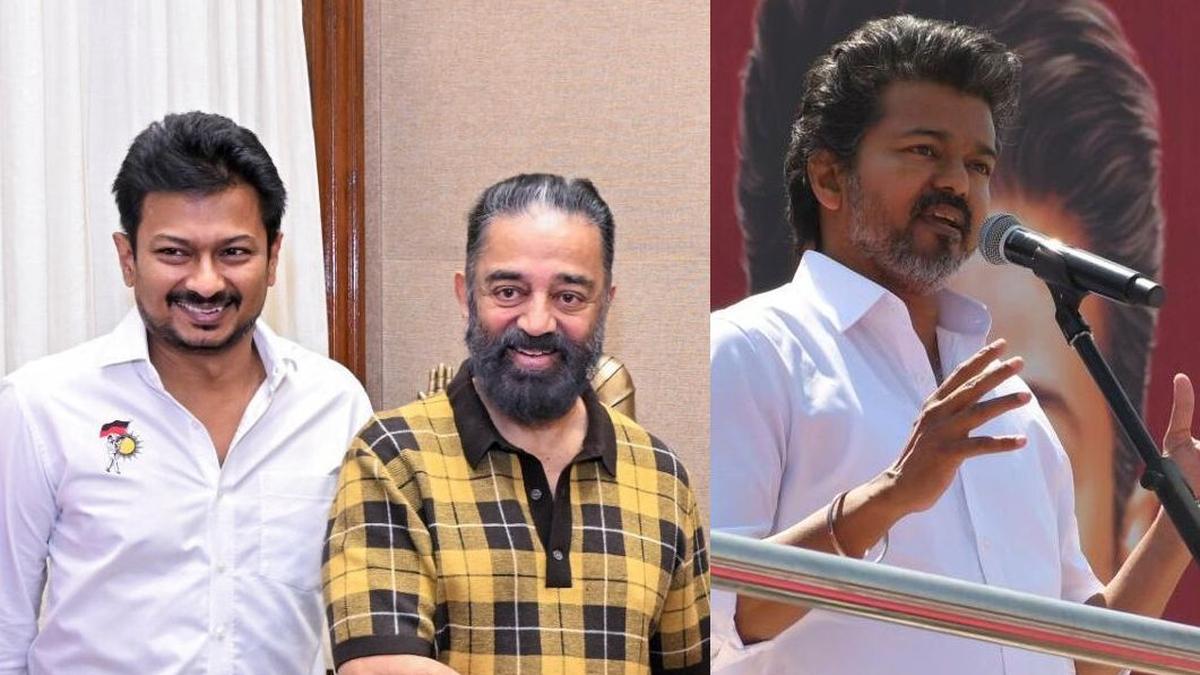
Among those who received notices in 2018 are Deputy Chief Minister Udhayanidhi Stalin, Rajya Sabha member and actor Kamal Haasan, and C. Joseph Vijay, president of the Tamilaga Vettri Kazhagam (TVK). The involvement of such high-profile individuals has drawn significant public attention to the case, highlighting the widespread nature of the alleged violations and the potential for political ramifications. Udhayanidhi Stalin currently serves as the third Deputy Chief Minister of Tamil Nadu, having assumed office in September 2024, and likewise holds the portfolios of Youth Welfare, Sports Development, Special Programme Implementation, and Poverty Alleviation according to his official biography. Kamal Haasan, a veteran actor and politician, represents the Makkal Needhi Maiam (MNM) party in the Rajya Sabha.
Delays and Pending Appeals
The court’s intervention comes after a period of stalled progress. While the GCC issued notices to nearly 800 property owners, a significant number – 440 – filed statutory appeals or revisions under the Tamil Nadu Town and Country Planning Act of 1971. However, as of recently, only 84 of these appeals had been resolved, leaving the vast majority in limbo. This backlog was further compounded by the retirement of the officer previously handling the appeals, C.S. Murugan, in January 2025, without a decision being reached on the remaining cases.
The current bench, comprised of Justices Anita Sumanth and Mummineni Sudheer Kumar, expressed concern over this delay and directed S. Kanchanamala, currently serving as Additional Secretary (Technical) in the Housing and Urban Development department on deputation from the Chennai Metropolitan Development Authority, to expedite the review process. The court mandated that all pending appeals and revisions be heard between February 23 and March 30, 2026, and disposed of by May 31, 2026, with reasoned orders. This directive aims to break the deadlock and ensure a timely resolution to the long-standing dispute.
Protecting the Coastal Ecosystem
The case extends beyond individual property disputes, raising broader concerns about the preservation of Chennai’s coastline. An amicus curiae appointed by the court emphasized the importance of protecting the area, not only for its aesthetic value but also for its ecological significance. The coastal stretch serves as a crucial nesting ground for Olive Ridley turtles, an endangered species, and provides a vital source of freshwater in a region facing increasing water stress. The amicus curiae urged the court to consider extending the investigation to constructions beyond Uthandi, suggesting that unauthorized building activity may be more widespread than initially believed.
The court acknowledged these environmental concerns and directed the High Court Registry to schedule a further hearing on February 27, 2026, to discuss potential measures for protecting the coastline. This indicates a willingness to consider broader systemic solutions to address the issue of unauthorized coastal construction and ensure the long-term sustainability of Chennai’s marine environment. The case highlights the delicate balance between economic development and environmental responsibility, a challenge faced by many coastal cities around the world.
Implications and Next Steps
The Madras High Court’s decision to revive these cases sends a clear signal that unauthorized coastal construction will not be tolerated. The directive to expedite the review process and the emphasis on environmental protection underscore the court’s commitment to upholding the law and safeguarding the region’s natural resources. The outcome of these proceedings could have significant implications for property owners along the ECR, as well as for future development projects in coastal areas of Tamil Nadu.
The GCC and the Chennai Metropolitan Development Authority (CMDA) have been authorized to proceed with legal action, including potential demolition or sealing of properties, against those who have not filed appeals or revisions against the original notices. This provision ensures that property owners who have not challenged the notices will be held accountable for any violations. The court’s order effectively puts property owners on notice, urging them to comply with coastal regulations or face the consequences.
The next key date in this ongoing legal battle is February 27, 2026, when the High Court Registry is scheduled to list the cases for further orders. This hearing will likely focus on the scope of the investigation and the implementation of measures to protect the coastline. The resolution of these cases will be closely watched by environmental groups, developers, and residents alike, as it sets a precedent for coastal development in Tamil Nadu and beyond. The court’s actions demonstrate a commitment to addressing long-standing issues of unauthorized construction and protecting the fragile coastal ecosystem.
What are your thoughts on the court’s decision? Share your comments below and let us know how you think this case will impact the future of Chennai’s coastline.


