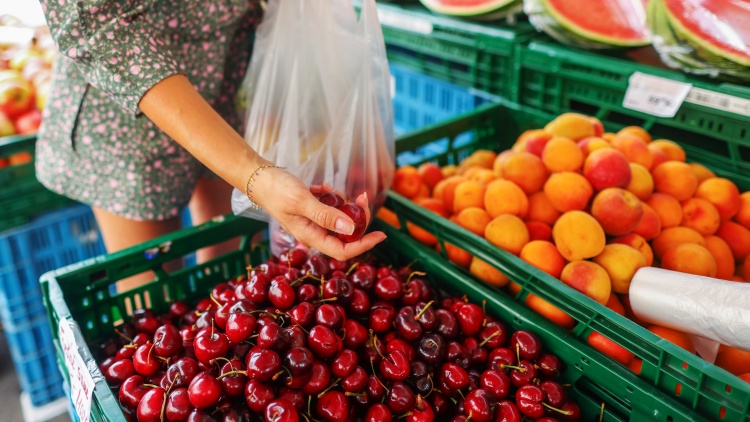
European cherry producers are facing a significant market shift this season, characterized by a sharp decline in producer prices despite sustained consumer demand. According to data from the European Commission’s agricultural market reports, the convergence of climate-related supply volatility and an influx of non-EU imports has created a complex pricing environment for orchard operators across the continent.
The core of the issue lies in the disparity between the cost of production—inflated by recent weather events—and the wholesale price, which has experienced localized collapses in several key growing regions. While demand remains robust among European consumers, market analysts note that the supply chain is struggling to balance domestic harvests with competitive international shipments.
Market Dynamics and Price Volatility
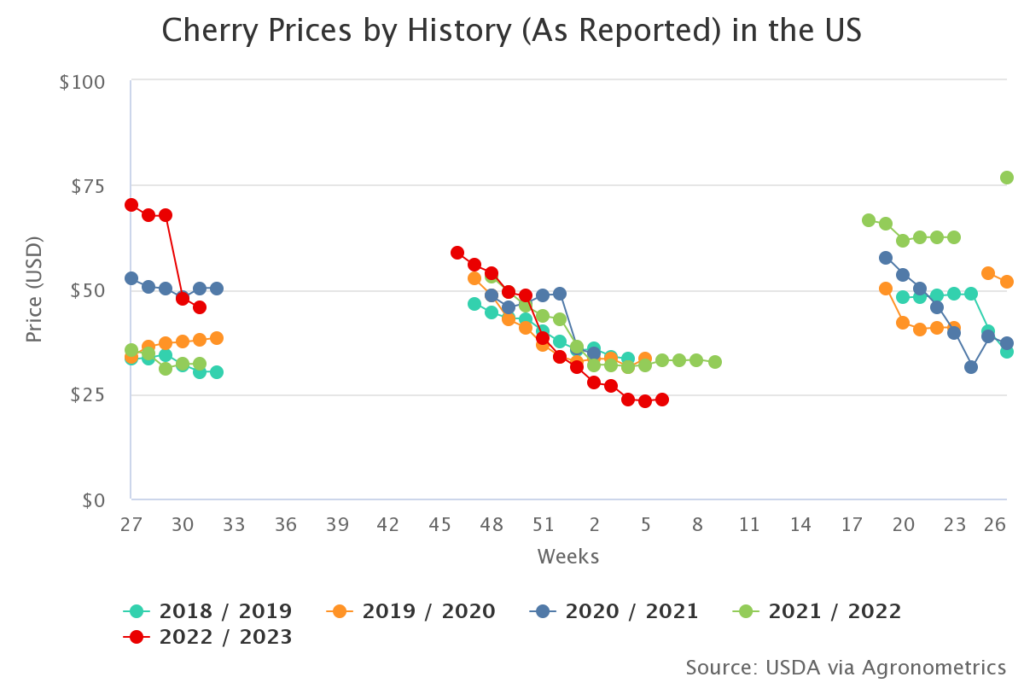
The recent instability in cherry pricing is largely attributed to a “perfect storm” of agricultural challenges. Many orchards in Central and Eastern Europe experienced severe frost damage during the spring flowering season, followed by localized droughts that impacted fruit size and quality. According to the European Market Observatory for Crops, these environmental stressors have forced many producers to sell smaller, lower-quality yields at significantly reduced prices to avoid total loss.
Despite these domestic setbacks, store shelves remain well-stocked. This is primarily due to an increase in imported cherries entering the European Union from third-party nations. Trade data indicates that imports are filling the void left by domestic supply gaps, effectively capping the ceiling for wholesale prices and preventing farmers from recouping the increased costs associated with climate-resilient farming practices.
The Impact of Import Competition
The influx of imported fruit is a point of contention for local growers. As reported by the European Parliament’s Committee on Agriculture and Rural Development, market liberalization allows for significant volumes of produce to enter the bloc, often at price points that domestic growers find difficult to match. This creates a scenario where, despite the consumer desire for local produce, the retail price remains suppressed by the constant availability of international alternatives.
For the producer, this means that even when demand for cherries is high, the ability to command a profitable price is diminished. The Food and Agriculture Organization (FAO) has highlighted that such market imbalances often lead to long-term disinvestment in local orchards, as producers struggle to find financial sustainability in the face of unpredictable weather and stagnant market returns.
Future Outlook for European Orchards
The future of the cherry sector remains uncertain as producers look toward the next harvest cycle. Many are now evaluating the feasibility of adopting advanced irrigation systems and frost-protection technologies to mitigate the risks posed by shifting climate patterns. However, these investments require capital that many small-to-medium-sized operations lack, particularly after consecutive seasons of low profit margins.
Market observers suggest that the next major update regarding the stability of the fruit sector will arrive with the publication of the European Commission’s short-term agricultural outlook report, which is expected to provide further clarity on production volumes and trade balances for the coming year. Stakeholders are encouraged to monitor these official updates to better understand the evolving regulatory and economic landscape.
We invite our readers to share their perspectives on the current state of agricultural markets and the challenges facing local producers in the comments section below. Your engagement helps us continue to provide balanced, expert-led reporting on the issues that shape our global food systems.
Keep reading