
Chile’s Lithium Rush: Balancing green Transition with Environmental Concerns
Chile is poised for a notable shift in its approach to lithium extraction under the newly inaugurated president.This change promises a faster pace of commercialization, heavily reliant on private sector involvement. But what does this mean for the environment, local communities, and the future of this critical mineral? Let’s delve into the complexities.
A New Direction for Lithium in Chile
For years, Chile has maintained a national lithium strategy, prioritizing state oversight of extraction.though, the incoming administration has voiced criticism of this approach. Instead, a decree is now in place to expedite permit issuance for private companies, aiming to unlock the potential of chile’s vast lithium reserves.
This move is driven by the global demand for lithium, a key component in batteries powering the electric vehicle revolution and energy storage systems. You’re likely aware of the increasing pressure to secure reliable sources of this vital resource.
Potential Impacts: A Double-Edged Sword
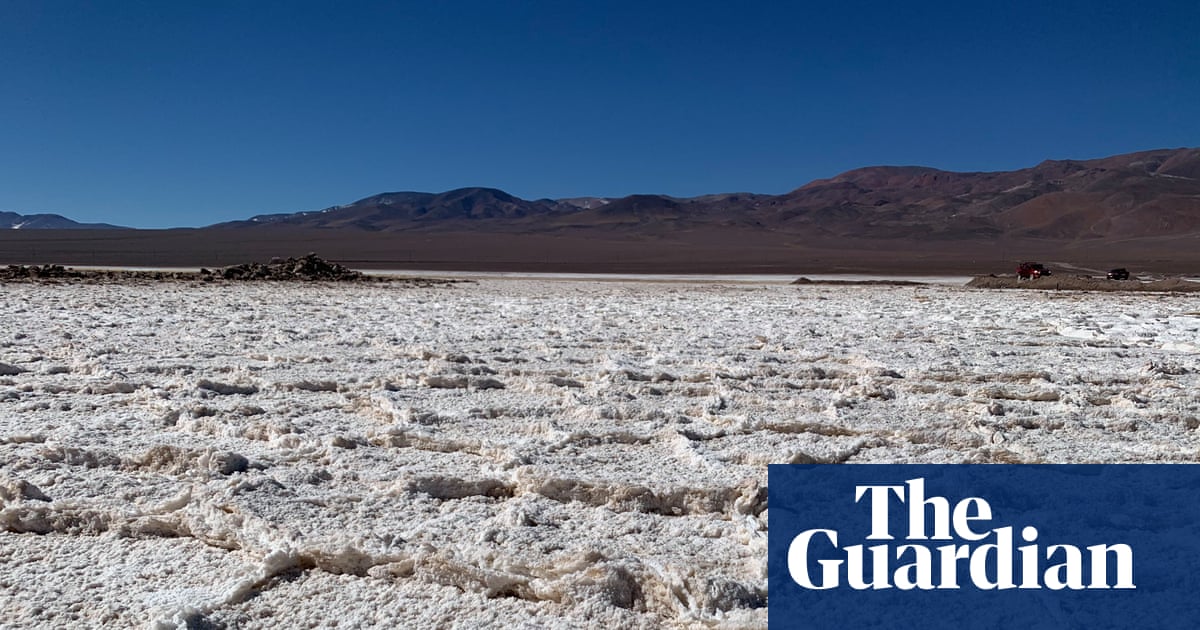
While increased lithium production could bring economic benefits, experts are raising concerns about the potential environmental consequences. The core of the issue lies in the delicate ecosystems of Chile’s high-altitude Andean salt flats.
Here’s a breakdown of the key concerns:
* Weakened Environmental Protections: expedited permitting processes could lead to reduced scrutiny of environmental impact assessments.
* Threats to unique Ecosystems: Salt flats harbor unique microbial life, vulnerable to disruption from large-scale extraction.
* Water System Strain: Lithium extraction is a water-intensive process, potentially exacerbating water scarcity in already arid regions.
* Impact on Local Communities: Indigenous populations and local communities rely on these ecosystems for their livelihoods and cultural practices.
Lucio Cuenca, a leading expert in Latin American environmental conflicts, warns that the state’s role in protecting these vulnerable areas will likely diminish. This could have disastrous consequences for both the environment and the people who depend on it.
The Uneven Burden of the Green Transition
It’s crucial to understand that the demand for lithium isn’t stemming from reduced consumption in industrialized nations. Instead, these countries are simply shifting how they consume energy.
This creates a situation where the environmental and social costs of the “green transition” are disproportionately borne by countries like Chile.Industrialized nations are increasing the scale of extraction without fundamentally changing their consumption habits.
Consequently, Chile faces deepening impacts on its ecosystems, water resources, land, and the health and well-being of its citizens. This raises important questions about fairness and sustainability.
Looking ahead: A Call for Responsible Extraction
The path forward requires a careful balancing act. Chile needs to harness the economic opportunities presented by its lithium reserves, but not at the expense of its environment and communities.
Consider these points:
* Strengthened Regulations: robust environmental regulations and rigorous enforcement are essential.
* community Engagement: meaningful consultation with local communities is paramount.
* Sustainable Practices: Prioritizing extraction methods that minimize water usage and environmental disruption.
* Fair Benefit sharing: Ensuring that the economic benefits of lithium extraction are shared equitably with local communities.
Ultimately, a responsible approach to lithium extraction in Chile requires a commitment to sustainability, clarity, and social justice. It’s a challenge that demands careful consideration and collaborative solutions. The world is watching to see if Chile can navigate this complex landscape and pave the way for a truly sustainable energy future.


