
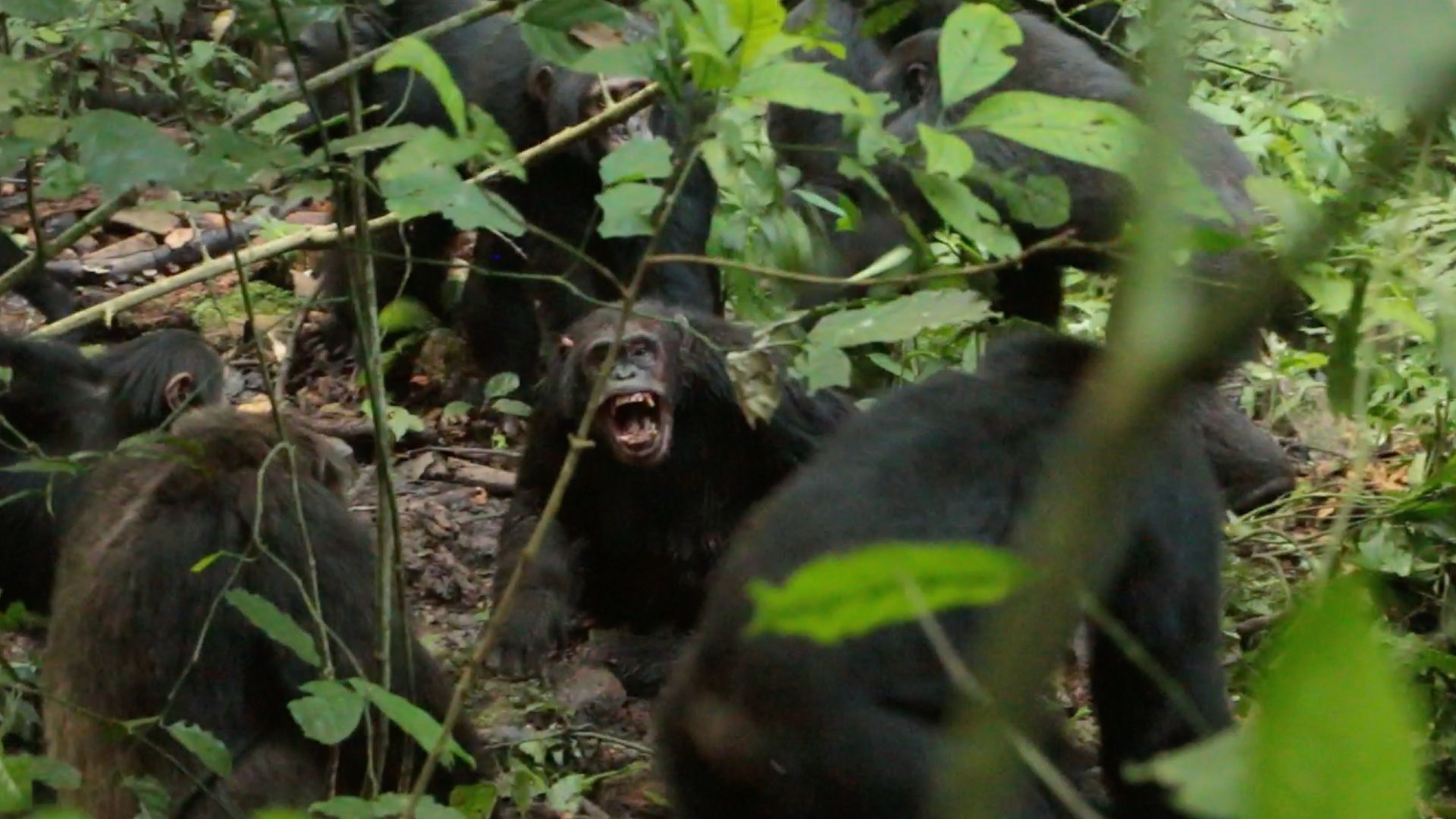
Researchers have documented a rare and unsettling phenomenon in the forests of Uganda, where wild chimpanzees have engaged in what scientists are describing as a “civil war.” This conflict, characterized by coordinated attacks between two separate groups, marks the first clear evidence of such a violent fracture within a single community of wild chimpanzees.
The discovery reveals a harrowing transition in primate social dynamics, as animals that were once allies and friends turned against one another in a series of deadly encounters. While the aggression is well-documented, the underlying cause of the group’s collapse remains a mystery to the scientific community.
According to reports from ScienceAlert, this is the first time such a “civil war” has been clearly evidenced in the wild, providing a new and grim window into the complexity of chimpanzee social structures.
Coordinated Attacks and Social Fracture
The conflict is distinguished by its organization. Unlike random skirmishes or territorial disputes between unrelated groups, these chimpanzees utilized coordinated attacks against their former companions. This level of strategic aggression suggests a deep-seated social rift that transformed a unified community into two warring factions.

The violence erupted after the original group split apart. The transition from a cohesive social unit to opposing sides has highlighted how fragile primate bonds can be. As reported by The Guardian, the recorded attacks demonstrate a level of coordination that underscores the severity of the “civil war.”
The Role of Shifting Social Ties
A critical finding from this observation is that shifting social ties alone can be enough to fracture a group. In many animal conflicts, resources such as food or territory are the primary drivers of aggression. Though, in this instance, the evidence suggests that the breakdown of internal relationships was the catalyst for the deadly conflict.
This discovery challenges previous understandings of primate stability, showing that emotional and social bonds—or the loss thereof—can ignite lethal violence between former friends without an obvious external trigger.
The Mystery of the Split
Despite the clear evidence of the conflict and the resulting violence, scientists remain perplexed by the “why” behind the initial split. There is currently no confirmed explanation for what triggered the original division of the group before the coordinated attacks began.
The lack of a clear cause has left researchers searching for the specific catalyst that turned a stable community into two hostile entities. This gap in knowledge emphasizes the complexity of chimpanzee psychology and the unpredictable nature of their social hierarchies.
Key Takeaways of the Discovery
- First of its kind: This is the first well-observed “civil war” documented among wild chimpanzees.
- Strategic violence: The conflict involved coordinated attacks rather than sporadic fighting.
- Social catalysts: Shifting social ties were sufficient to fracture the group and trigger deadly aggression.
- Unexplained origin: Scientists do not yet know the specific reason why the group initially split.
As researchers continue to monitor these groups in Uganda, the focus remains on identifying the precursors to such social collapses. Understanding these dynamics may provide broader insights into primate behavior and the evolution of conflict.
There are currently no scheduled official updates or new filings regarding this study, but scientists continue to analyze the recorded behaviors to uncover the root cause of the split.
We invite our readers to share their thoughts on these findings in the comments below. Do you believe these social dynamics mirror other primate behaviors? Share this article to join the conversation.