
Chinese National Sentenced in Germany for Spying on Dissidents: A Growing Trend of Transnational Repression
A German court recently convicted a Chinese national of espionage, highlighting a concerning pattern of Beijing’s efforts to monitor and suppress political opposition abroad. The case underscores the increasingly sophisticated tactics employed by Chinese authorities to extend their reach beyond national borders and silence dissenting voices.
The Case of the Infiltrated Networks
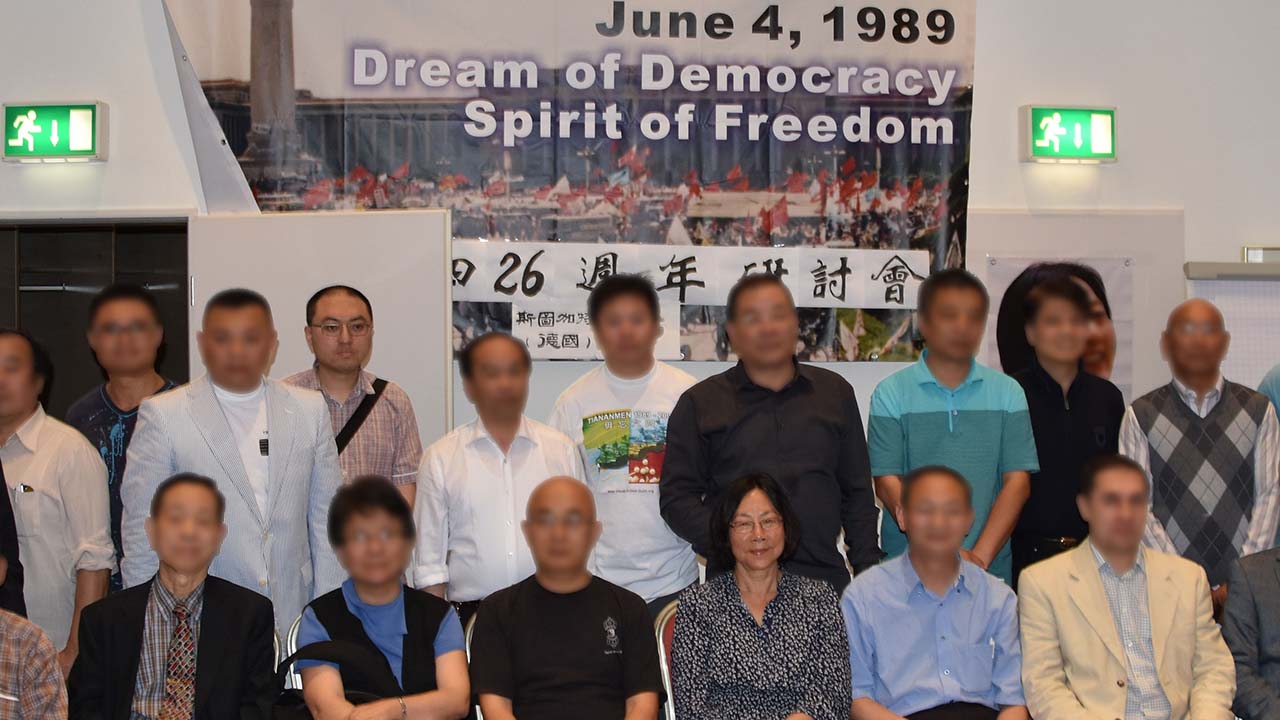
The individual, identified as Guo, received a sentence of four years and nine months in prison. He was found guilty of gathering intelligence on Chinese dissidents residing in Europe,specifically those critical of the Chinese Communist Party (CCP).Investigations revealed Guo infiltrated dissident communities over two decades ago,initially arriving in Germany as a student.
He strategically gained the trust of prominent figures within these organizations. Guo offered logistical support during conferences, including airport pickups, event coordination, and providing essential supplies. This access allowed him to gather valuable data about the activities and individuals involved in pro-democracy movements.
A Wider Pattern of Chinese Repression
This case isn’t isolated. It’s part of a broader inquiry, “China Targets,” conducted by the International Consortium of Investigative Journalists (ICIJ) in collaboration with 42 media partners. The investigation details a systematic effort by chinese authorities to:
* Monitor political opponents globally.
* Intimidate and threaten those who speak out against the CCP.
* Exploit vulnerabilities in international institutions to facilitate repression.
The use of individuals like Guo - seemingly ordinary citizens who operate as political aides and businessmen – represents a key component of this strategy. You might be wondering how this impacts you. It demonstrates a willingness to actively suppress dissent, even within democratic societies.
Understanding the Tactics
Activists who knew Guo described a calculated duality in his approach. He presented himself as ”low-key” and reserved around senior activists,while adopting a more “aggressive” and “confident” demeanor with younger members. This tactic likely aimed to build trust gradually and exploit potential vulnerabilities.
In 2017,Guo participated in a delegation of Chinese democracy advocates traveling to India. The group met with representatives of the Tibetan parliament-in-exile and the dalai lama, a meaningful event that likely drew the attention of Chinese intelligence.
European Concerns and Inadequate Responses
Lawmakers in europe have expressed growing concern over these activities. However, they acknowledge that current responses remain insufficient. A key challenge is a lack of coordination and information sharing between national authorities. This allows individuals operating on behalf of China to move relatively freely and continue their activities.
Tienchi Martin-Liao, a human rights advocate, wasn’t surprised by the verdict. She believes it serves as a crucial warning to Chinese authorities. “Western countries are becoming aware of China’s espionage activities,” she stated.
martin-Liao also emphasized the prevalence of ”double agents” within Western societies. she suggests Guo’s case is merely one example of a much larger network of individuals working to advance the CCP’s agenda.
What Does This Mean for the Future?
The sentencing of Guo represents a small victory for those fighting against transnational repression. However, it’s a stark reminder of the ongoing threat posed by China’s intelligence operations.
You should be aware that this is a complex issue with far-reaching implications. Strengthening international cooperation, improving information sharing, and raising public awareness are crucial steps in countering these activities. A co-defendant in the case received a suspended sentence, and an appeal of the verdict is possible within one week. This case will undoubtedly be closely watched as a bellwether for future efforts to address China’s growing influence and its attempts to stifle dissent abroad.





