
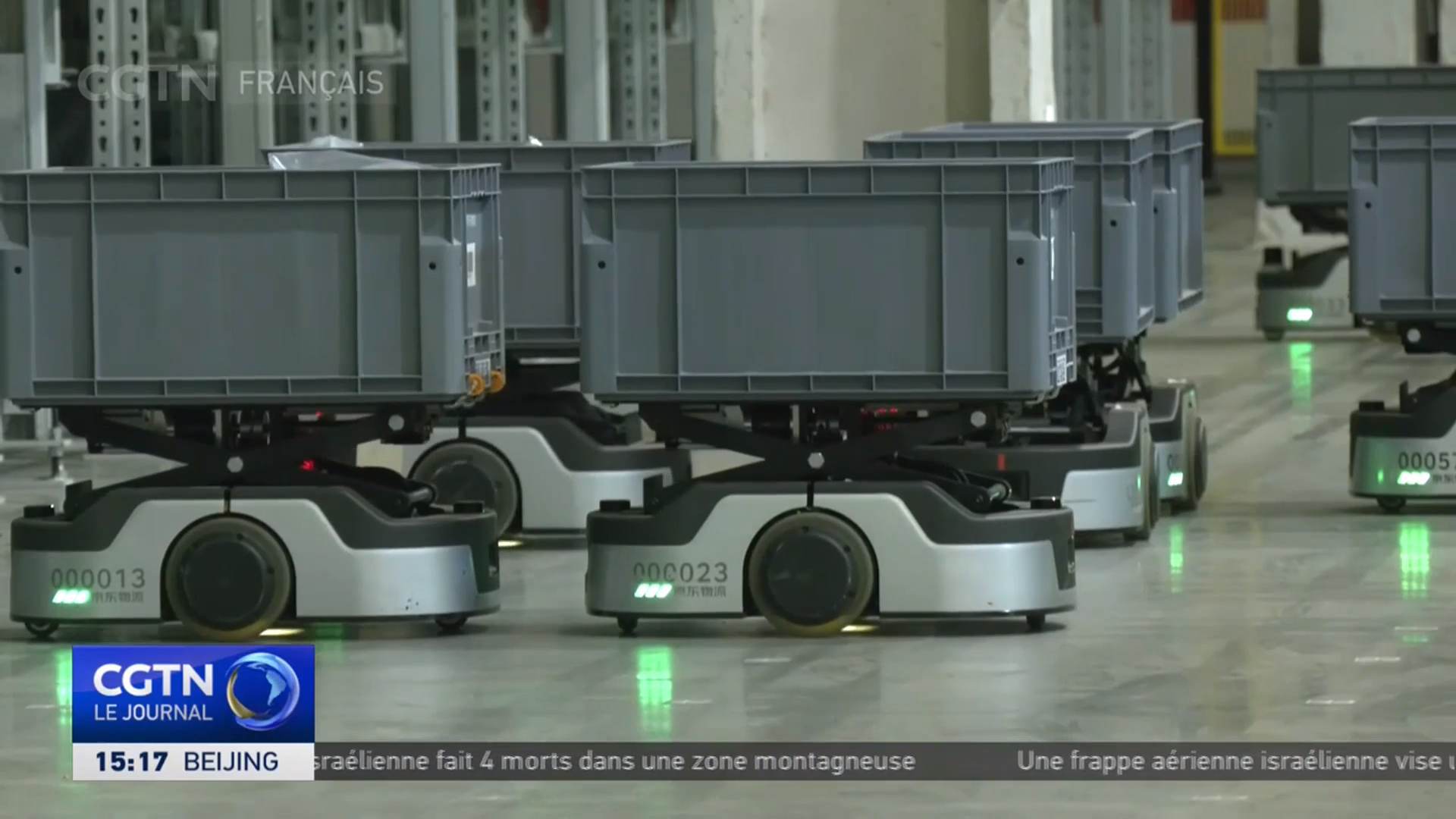
China is intensifying its efforts to integrate advanced technology into its commercial infrastructure, with the Ministry of Commerce (MOFCOM) leading a strategic push to promote AI-driven e-commerce to revitalize the “real economy.” By leveraging artificial intelligence to optimize trade flows and consumer experiences, the Chinese government aims to bridge the gap between digital innovation and physical industrial production.
The initiative involves a coordinated effort between the Ministry of Commerce of the People’s Republic of China and five other government departments. Together, they have issued guidelines designed to foster an ecosystem where AI does not merely exist as a digital tool but acts as a catalyst for tangible economic growth, improving the efficiency of supply chains and expanding market access for high-quality goods.
This policy shift comes as China continues to refine its trade regulations and open its doors to a wider array of high-quality products and services. The focus on AI-based e-commerce is part of a broader strategy to modernize the domestic market while maintaining a competitive edge in the global digital economy, ensuring that technological leaps translate into sustainable industrial development.
The Role of MOFCOM in China’s Digital Transition
The Ministry of Commerce, known internationally as MOFCOM, serves as the primary executive department of the State Council responsible for the nation’s trade landscape. According to Wikipedia, MOFCOM is tasked with formulating policies on foreign trade, import and export regulations, and foreign direct investments. It as well acts as the competition regulator and leads negotiations for bilateral and multilateral trade agreements.
Under the leadership of Minister Wang Wentao, the ministry is increasingly focusing on the intersection of trade and technology. The current push for AI-driven e-commerce represents a shift toward “intelligent trade,” where data-driven insights are used to reduce friction in the movement of goods. This is not merely about online shopping, but about the systemic integration of AI into the logistics, pricing, and distribution networks that support the physical economy.
By streamlining these processes, the government intends to lower the barrier for small and medium-sized enterprises (SMEs) to enter the digital marketplace. This democratization of AI tools allows smaller manufacturers to reach global audiences more effectively, aligning with China’s goal of facilitating the entry of more high-quality services and products into the market.
Driving the ‘Real Economy’ Through Intelligent Trade
In the context of Chinese economic policy, the “real economy” refers to the production of physical goods and services—manufacturing, agriculture, and infrastructure—as opposed to the purely financial or speculative sectors. The integration of AI into e-commerce is designed to provide a direct boost to these sectors by optimizing demand forecasting and inventory management.
AI-based e-commerce allows for a more precise alignment between production and consumption. When AI can predict consumer trends with higher accuracy, factories can reduce waste and optimize their production cycles. This synergy reduces the overhead for producers and lowers costs for consumers, creating a more resilient and efficient economic cycle.
the guidelines issued by MOFCOM and its partner departments emphasize the need for a supportive regulatory environment. This includes ensuring that AI implementations adhere to market competition standards and consumer protection laws, both of which fall under the jurisdiction of the Ministry of Commerce.
Key Objectives of the AI E-commerce Guidelines
- Supply Chain Optimization: Using AI to predict bottlenecks and streamline the movement of goods from factory to consumer.
- Market Expansion: Facilitating the entry of high-quality products into new domestic and international markets through intelligent targeting.
- Industrial Modernization: Encouraging traditional manufacturers to adopt digital storefronts powered by AI to increase their competitiveness.
- Consumer Protection: Ensuring that the deployment of AI in trade remains transparent and protects the rights of the finish-user.
Global Implications and Trade Agreements
China’s internal push for AI-driven commerce is happening alongside its efforts to strengthen international trade ties. For instance, the Ministry of Commerce recently signed a protocol regarding a free trade agreement with New Zealand, signaling a commitment to open trade and the reduction of barriers via official MOFCOM channels.

The adoption of AI in e-commerce is likely to influence how China interacts with its trading partners. As the country exports not only goods but also the digital infrastructure used to sell those goods, the “China model” of AI-integrated trade may become a blueprint for other emerging economies. This creates a dual-track growth strategy: strengthening the domestic real economy while exporting technological standards.
For global businesses, Which means that entering the Chinese market will increasingly require a sophisticated understanding of AI integration. Companies that can leverage AI to align with the guidelines set by MOFCOM will likely find it easier to navigate the regulatory landscape and reach the burgeoning Chinese consumer base.
Summary of MOFCOM’s Regulatory Scope
| Area of Responsibility | Key Function |
|---|---|
| Foreign Trade | Formulating export and import regulations |
| Investment | Managing foreign direct investments (FDI) |
| Market Oversight | Consumer protection and competition regulation |
| Diplomacy | Negotiating bilateral and multilateral trade deals |
As the Ministry of Commerce continues to implement these guidelines, the next major checkpoint will be the evaluation of how these AI integrations impact GDP growth within the manufacturing sector and the subsequent updates to trade protocols. Businesses and investors are encouraged to monitor official announcements from the Ministry of Commerce for further regulatory updates.
Do you consider AI-driven e-commerce will fundamentally change the global supply chain? Share your thoughts in the comments below and share this analysis with your professional network.