China’s military Display: Commemorating WWII and Signaling Modern strength
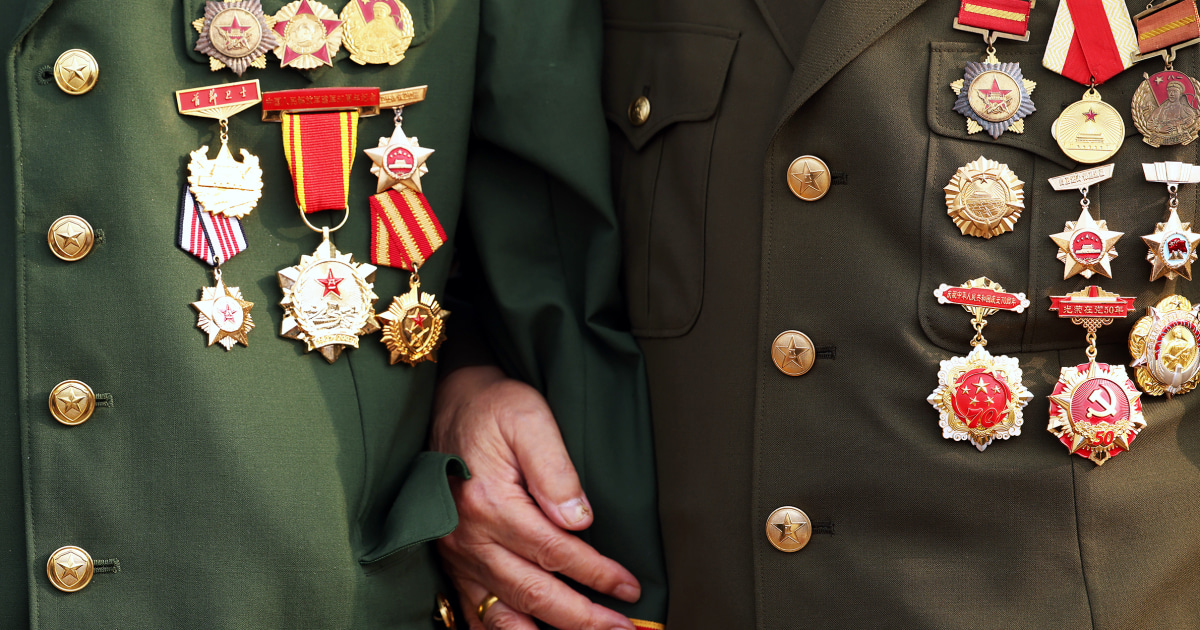
On September 3rd, 2025, Beijing hosted a significant military parade marking 80 years since the end of World War II, a display that resonated far beyond a simple ancient commemoration. The event, held in Tiananmen Square, wasn’t just a tribute to veterans; it was a carefully orchestrated exhibition of China’s evolving military capabilities and its growing geopolitical influence. This article delves into the details of the parade, its historical context, and what this show of force signifies for the future of international relations. Understanding this event requires examining not only the military parade itself, but also the broader implications for China’s military modernization, geopolitical strategy, and the evolving Sino-Japanese relations.
A historical Echo: Remembering WWII and China’s Sacrifice
World War II holds a notably poignant place in China’s national memory. The Second Sino-japanese War (1937-1945), a major theater of WWII, resulted in an estimated 15-20 million Chinese deaths – a staggering loss that profoundly shaped the nation. The 80th anniversary commemoration served as a powerful reminder of this sacrifice and the immense cost of war.
The parade wasn’t solely focused on mourning the past, however. It actively framed China’s wartime experience as a narrative of national resilience and eventual triumph. this narrative is increasingly crucial as China seeks to assert its role as a global leader. Recent research from the Brookings Institution (August 2025) highlights a growing trend of historical revisionism in China, emphasizing the nation’s victimhood and resistance during WWII to bolster national pride and justify current foreign policy objectives.
Did You Know? China’s contribution to the Allied victory in WWII is often underrepresented in Western historical accounts. The prolonged conflict with Japan tied down a significant portion of the Japanese military, preventing them from being deployed elsewhere in the Pacific.
The Parade: A Showcase of Modern Military Prowess
President Xi Jinping oversaw the parade from Tiananmen Square, a location steeped in symbolic importance.The event featured a meticulously choreographed display of personnel and equipment, showcasing the advancements made through China’s defence spending.Key highlights included:
Advanced Weaponry: The parade featured a range of cutting-edge military hardware, including DF-41 intercontinental ballistic missiles (ICBMs), Type 99A main battle tanks, and J-20 stealth fighter jets. These systems represent a significant leap in China’s military technology.
Drone technology: A prominent display of unmanned aerial vehicles (UAVs) underscored China’s growing capabilities in drone warfare and reconnaissance. This is a particularly crucial area of growth, mirroring global trends in modern warfare.
Personnel: Thousands of troops participated, demonstrating the sheer size and organizational capacity of the People’s Liberation Army (PLA).
International Guests: The presence of dignitaries from various nations, including Russia’s Vladimir Putin and North Korea’s Kim jong-un, signaled China’s expanding diplomatic network and potential strategic alliances. This was particularly noteworthy given the current geopolitical climate.
pro tip: Analyzing the types of weaponry displayed in military parades can provide valuable insights into a nation’s strategic priorities and technological advancements. Pay attention to the emphasis on specific systems – such as, a large display of ICBMs suggests a focus on nuclear deterrence.
Geopolitical Implications: Signaling strength and Shaping Regional Dynamics
The timing and scale of the parade were deliberate. It occurred amidst ongoing tensions in the South China Sea, escalating concerns over Taiwan, and a broader strategic competition with the United States. The display served as a clear message to both potential adversaries and allies: China is a rising military power that will defend its interests.
The presence of Putin and Kim Jong-un further underscored China’s willingness to forge partnerships with nations that challenge the existing international order. This alignment is likely to exacerbate existing geopolitical tensions and could lead to increased instability in the region. A recent report by the Council on Foreign Relations (September 2025) suggests that China is actively seeking to create a counterweight to U.S. influence by strengthening ties with Russia and North Korea.
| Feature |
|---|