
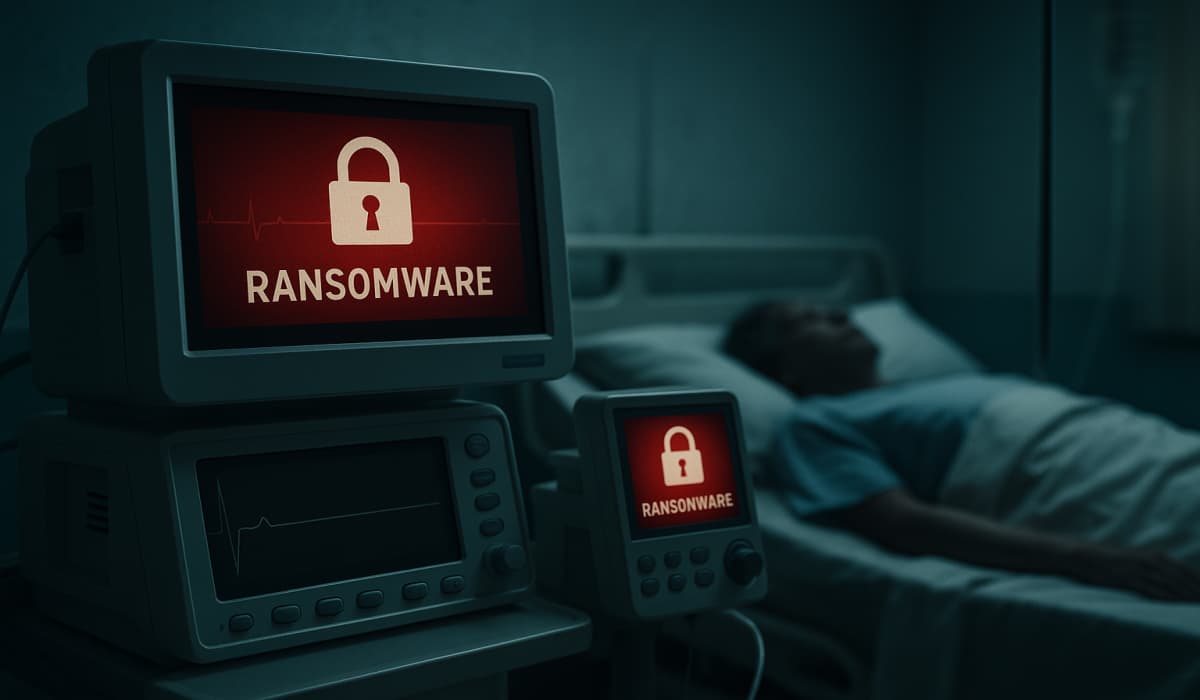
The Dutch healthcare system is currently navigating a significant security crisis following a ChipSoft ransomware attack that has disrupted one of the region’s most critical software providers. The incident has sent shockwaves through the Netherlands’ medical infrastructure, as the company provides the essential patient record software used by a vast majority of the country’s hospitals.
ChipSoft, which serves between 70 percent and 80 percent of all Dutch healthcare facilities, became the target of a cyberattack that knocked its public-facing services offline. The breach highlights a systemic vulnerability in healthcare digitalization, where the compromise of a single vendor can potentially jeopardize the data of millions of patients across an entire national network.
As of April 10, 2026, the company is still in the process of recovery, with several key systems remaining offline as a precautionary measure. While many hospitals report that their internal operations remain stable, the uncertainty surrounding the extent of unauthorized data access continues to weigh on healthcare administrators and patients alike.
Operational Disruptions and System Outages
The attack first became apparent on April 7, 2026, when ChipSoft’s website went down and remained unreachable for several days. Z-CERT, the Netherlands’ computer emergency response team for the healthcare industry, officially notified institutions of the ransomware attack on that same date, urging immediate vigilance to prevent the lateral movement of the threat into hospital networks.
In an effort to contain the breach and limit adverse consequences, ChipSoft took several of its own systems offline on the evening of Wednesday, April 8, 2026 . The affected systems include critical tools such as Zorgportaal, HiX Mobile, HAS Relay, and Zorgplatform. These outages complicate the streamlining of processes within hospitals and GP practices, which rely on ChipSoft for processing patient information.
The impact on individual hospitals has varied based on how extensively they integrate ChipSoft’s software. While the majority of facilities have maintained access to their patient portals, 11 hospitals have pulled their software offline entirely as a safety measure. Of those 11 institutions, nine are among the heaviest users of the software, indicating that those with the deepest integration faced the highest perceived risk.
The Risk to Patient Data and Privacy
A primary concern for health officials is the integrity of patient records. ChipSoft has confirmed the occurrence of a “data incident” involving “possible unauthorized access” and has admitted that it cannot rule out the possibility that patient data has been accessed or stolen . This admission raises significant privacy concerns, particularly regarding patient portals—the digital bridges that allow patients to view their own medical data via the internet.
Despite the overarching threat, some institutions have reported that their specific systems remain secure. A spokesperson for the Rijnstate Hospital in Arnhem stated that their patient data and other information systems have been secured . This discrepancy suggests that the attack may have targeted the vendor’s centralized infrastructure rather than every individual client installation, though the risk of contagion remains.
To mitigate further risk, Z-CERT has issued specific technical guidance to healthcare providers. The center of expertise for digital security in healthcare advised institutions to disconnect their VPN connections to ChipSoft and to rigorously monitor network traffic for any unusual activity . Hospitals are encouraged to report any suspicious traffic through Z-CERT’s dedicated reporting line .
A Systemic Threat to Healthcare Infrastructure
The ChipSoft incident is not an isolated event but rather a manifestation of a broader trend in cybercrime targeting the medical sector. In its annual landscape report, Z-CERT identified ransomware and extortion as the foremost concerns for Dutch healthcare organizations, noting that these threats have not materially diminished in recent years .
From a business and economic perspective, this attack underscores the “single point of failure” risk inherent in the consolidation of healthcare software. When a single vendor captures a dominant market share—as ChipSoft has with its presence in up to 80 percent of Dutch facilities—a security breach is no longer just a corporate crisis. it becomes a matter of national health security.
The financial and operational costs of such attacks extend beyond the immediate ransom demands. They include the cost of forensic audits, the loss of productivity during system outages, and the potential for long-term legal liabilities stemming from the exposure of sensitive personal health information (PHI).
Key Takeaways of the ChipSoft Incident
- Market Dominance: ChipSoft provides systems to between 70% and 80% of Dutch hospitals, making any breach a systemic risk.
- Timeline: The attack began around April 7, 2026, with key systems taken offline by April 8.
- Data Status: ChipSoft has confirmed a “data incident” and cannot rule out that patient data was stolen.
- Mitigation: Z-CERT has advised all affected institutions to disconnect VPNs and monitor for unusual network traffic.
- Operational Impact: While most portals remain active, 11 hospitals took their systems offline as a precaution.
The identity of the group behind the ransomware attack remains unknown at this time . As ChipSoft continues its recovery efforts, the focus for Dutch healthcare providers remains on auditing their systems and ensuring that patient care is not compromised by the lack of digital record access.
Further updates are expected as Z-CERT and ChipSoft continue to assess the full impact of the incident and determine whether specific data sets were exfiltrated. We will continue to monitor official advisories for more information on the restoration of the Zorgportaal and other affected services.
Do you believe healthcare systems are too reliant on a small number of software vendors? Share your thoughts in the comments below or share this article to spark a discussion on digital health security.