Red Bull Racing’s Tumultuous 2024: A Season of Strategic Missteps
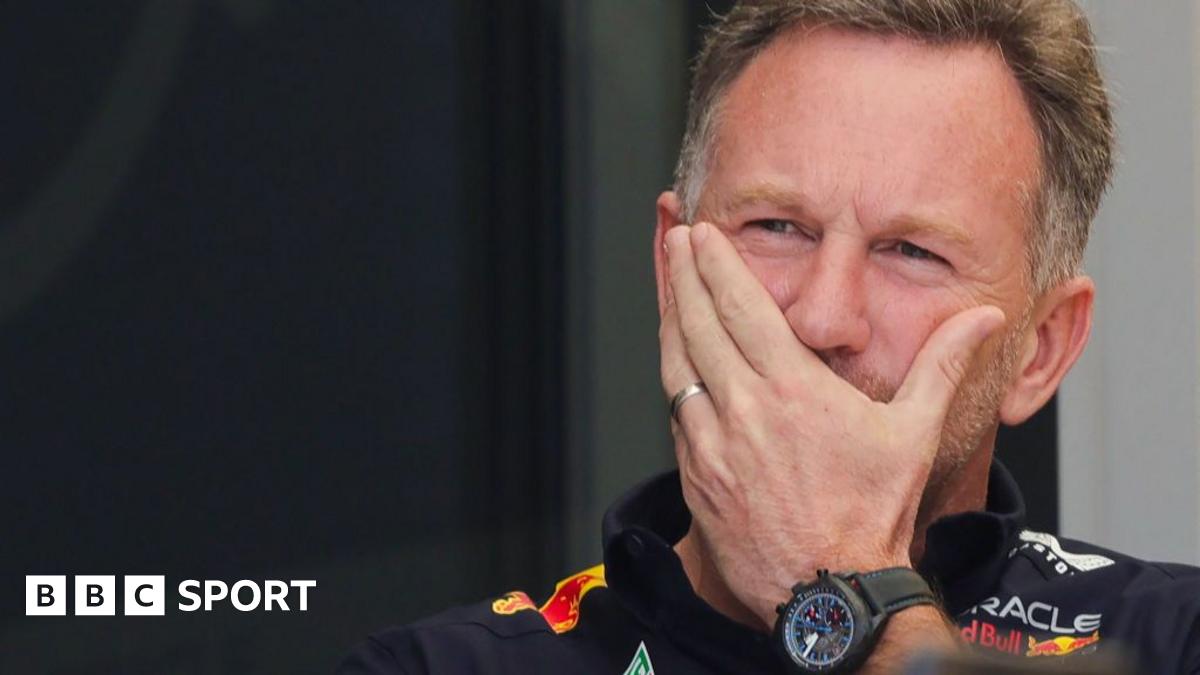
Red Bull Racing entered the 2024 Formula 1 season as dominant champions, but a series of questionable decisions have left the team struggling and facing a potential shift in the competitive landscape. The issues aren’t about Max Verstappen’s performance; rather, they stem from a cascade of miscalculations surrounding his teammate and broader strategic choices made by team principal Christian Horner.
Let’s break down how a year that promised continued dominance has instead become a cautionary tale in F1 management.
The Perez Debacle: A Costly Extension
Initially, extending Sergio Perez‘s contract for two more years seemed a sensible move. Many within the paddock questioned the decision, considering Perez’s inconsistent form. However, Red Bull pressed ahead.Fast forward to December 2024,and Perez’s struggles became undeniable. Red Bull ultimately decided to release him, a move that reportedly cost the team a hefty €18 million (£15.5m) in severance. While a significant sum, the real cost lies in the wasted opportunity and the disruption it caused.
A Succession of Failed Replacements
To fill the vacant seat, Horner initially turned to Liam Lawson. Lawson had limited experience, with only 11 Grand Prix starts across two seasons with Red Bull’s junior team. This proved to be a disastrous choice.
Lawson floundered, lasting just two races before being replaced by Yuki Tsunoda. While Tsunoda had more experience – four seasons in F1 – he was always unlikely to challenge Verstappen’s pace in a notoriously arduous car. The decision felt reactive rather than strategic.
the Core Problem: Red Bull consistently avoided pursuing proven, top-tier drivers like George Russell or Charles Leclerc.
Why it Matters: This lack of a competitive teammate has directly impacted Red Bull’s performance in the Constructors’ Championship, which dictates crucial end-of-year prize money.
Beyond the Driver Seat: Questionable strategic Moves
the issues extend beyond driver selection.Horner’s recent actions have raised eyebrows and sparked concerns about his judgment.Earlier this year, he publicly supported a push from FIA president Mohammed ben Sulayem to reinstate V10 engines. This move appeared strategically unwise, especially considering Red Bull’s new engine partnership with Ford. Ford entered F1 specifically to embrace the 2026 hybrid engine regulations.
Furthermore, the V10 proposal faced overwhelming opposition from Mercedes, Honda, and Audi, making its success improbable. Why risk alienating a key partner and pursuing a losing battle?
Ford’s Perspective: The engine change proposal likely made Ford, already uneasy about allegations surrounding Horner, even more uncomfortable.
The Bigger Picture: This incident highlights a pattern of potentially impulsive decisions that prioritize short-term gains over long-term stability.
A Pattern of Influence and Controversy
Adding to the concerns, Horner’s close relationship with Ben Sulayem has drawn criticism. Accusations of influencing the FIA president with unsubstantiated theories – such as those concerning McLaren’s performance - have created a perception of unfair play. This behavior has understandably ruffled feathers within the F1 community.
What does This Mean for Red Bull’s Future?
Red Bull’s 2024 season serves as a stark reminder that even the most dominant teams are vulnerable to self-inflicted wounds. A series of misjudgments, from driver selection to strategic maneuvering, have jeopardized their championship aspirations.
You,as an F1 enthusiast,are witnessing a pivotal moment for the team. The question now is weather Red Bull can learn from these mistakes and regain its competitive edge, or if this season marks the beginning of a decline. The answers will likely shape the future of Formula 1 for years to come.
Disclaimer: This analysis is based on publicly available facts and reports from reputable sources within the Formula 1 community as of December 2024.