
“`html
ChromeOS Flex vs. ChromeOS: A Complete Guide
Published: 2026/01/26 09:39:16
In today’s evolving tech landscape,choosing the right operating system can be a daunting task. Google offers two distinct options within its ChromeOS ecosystem: ChromeOS and ChromeOS Flex. While both are based on the Linux kernel and share a similar user experience,they cater to different needs. This article provides a detailed comparison, outlining the key differences and helping you determine which OS is the best fit for your devices and requirements.
What is ChromeOS?
ChromeOS is the operating system developed by Google, primarily designed for Chromebooks. These are laptops built specifically to run ChromeOS, offering a streamlined and secure computing experience centered around the Chrome browser and web applications. ChromeOS is deeply integrated with Google services and emphasizes speed, simplicity, and security. It’s known for its automatic updates, built-in virus protection, and fast boot times.
What is ChromeOS Flex?
ChromeOS Flex is a cloud-first, fast, and secure operating system designed to revitalize older PCs and Macs.Unlike ChromeOS, which comes pre-installed on Chromebooks, ChromeOS Flex is intended to be installed on existing Windows, macOS, or Linux hardware [[1]]. It essentially transforms older devices into Chromebook-like machines, extending their lifespan and providing a modern computing experience.
Key Differences Between ChromeOS and ChromeOS Flex
While both operating systems share a common foundation, several key differences set them apart:
Hardware Compatibility
ChromeOS: Designed specifically for chromebooks, ensuring optimal hardware and software integration. This results in a consistently smooth and reliable experience.
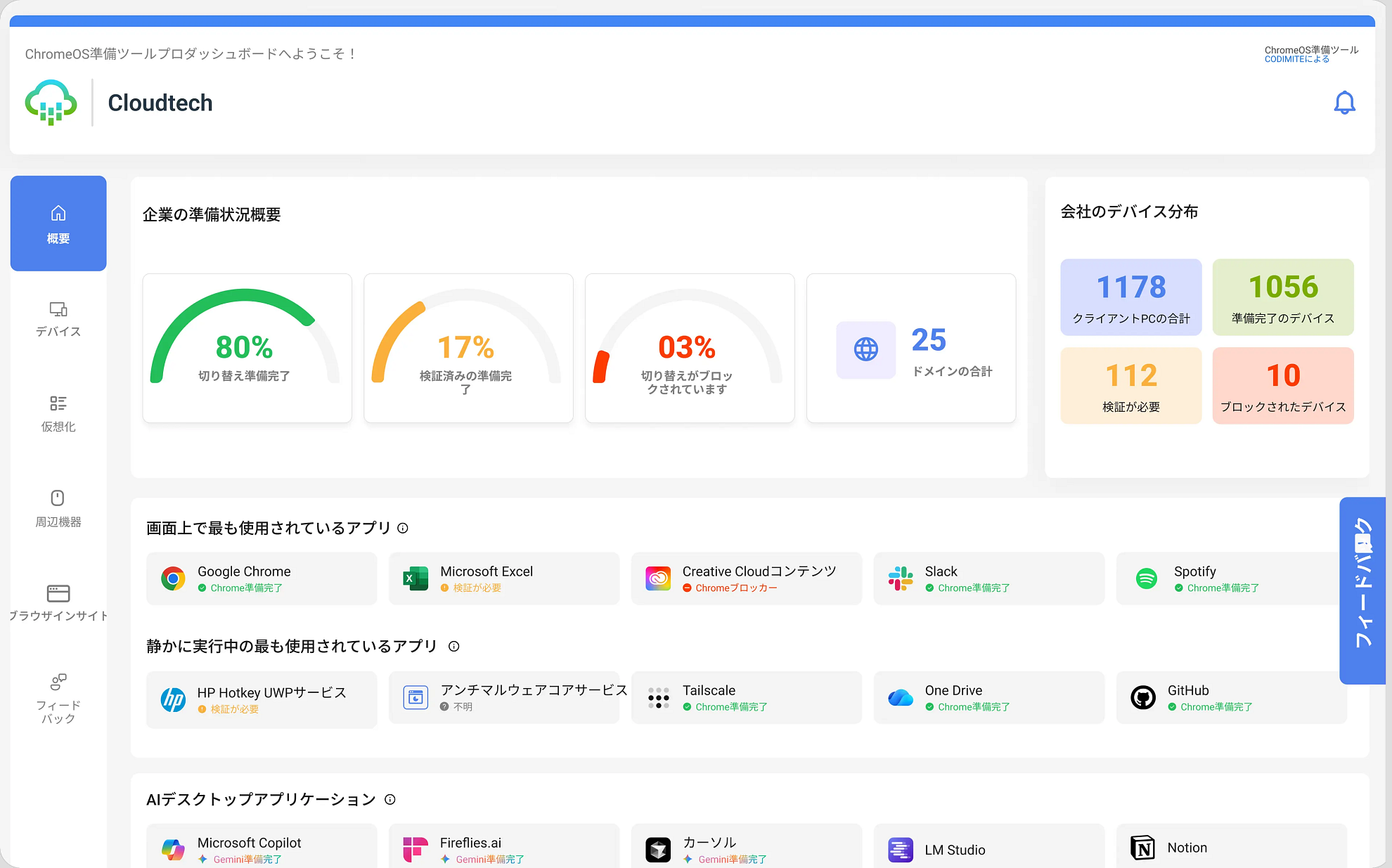
ChromeOS Flex: Compatible with a wide range of older PCs and macs. However, not all devices are officially certified, and compatibility can vary. Google provides a ChromeOS Flex Readiness Tool to check compatibility before installation.
Intended Use Case
chromeos: Best suited for users who want a new, purpose-built device with a focus on web-based applications and Google services.
ChromeOS Flex: Ideal for breathing new life into older hardware, providing a secure and efficient operating system for basic computing tasks like browsing, email, and document editing.
Updates and Support
ChromeOS: Receives regular automatic updates directly from Google, ensuring the latest features and security patches. Support is tied to the Chromebook’s Auto Update Expiration (AUE) date.
ChromeOS Flex: Also receives automatic updates from Google. However, the support timeline is different from Chromebooks and depends on the specific hardware model. Google provides a defined support window for each device.
Virtualization
ChromeOS: Limited virtualization capabilities. While Linux apps can be run through a container, full virtualization support is not a primary feature.
ChromeOS Flex: offers similar virtualization capabilities to ChromeOS,primarily focused on running Linux applications.
Shared Features: What They Have in Common
despite their differences, ChromeOS and ChromeOS Flex share several core features:
- Security: Both operating systems prioritize security with features like verified boot, automatic updates, and sandboxing of applications.
- Speed and Simplicity: Both are known for their fast boot times and user-pleasant interfaces.
- Cloud Integration: Both seamlessly integrate with Google services like Google Drive, Gmail, and Google Workspace.
- Web App Focus: both are designed to run web applications effectively, making them ideal for cloud-based workflows.
- Management Tools: Both leverage the same underlying technologies and management tools, simplifying governance for organizations. [[1]]
Which One Should You Choose?
The best choice between ChromeOS and ChromeOS Flex depends on your specific needs:
- Choose ChromeOS if: You’re looking to purchase a new laptop specifically designed for a cloud-first experience and want the best possible hardware and software integration.
- Choose ChromeOS Flex if: You have an older PC or Mac that you want to repurpose and extend its lifespan. It’s a cost-effective way to get a modern, secure operating system without buying a new device.
Looking Ahead
Google continues to invest in both ChromeOS and ChromeOS Flex, with ongoing





