The Africa Cup of Nations: A Call for respect and Scheduling Reform (2025 Update)
Last Updated: December 24, 2025, 23:22:10
The Africa Cup of Nations (AFCON) – a tournament brimming with passion, skill, and national pride – consistently finds itself embroiled in controversy, not regarding the quality of football, but its positioning within the global football calendar. As of today, December 24, 2025, the debate surrounding the timing of AFCON, especially its clash with European club seasons, remains a importent point of contention.This article delves into the past context, current challenges, and potential solutions for ensuring the AFCON receives the respect it deserves, mirroring the prestige afforded to the FIFA World Cup and the UEFA European Championship.We’ll explore the perspectives of players, clubs, and governing bodies, offering a nuanced understanding of this complex issue.
Historical context: A Tournament Rooted in Liberation
The Africa Cup of Nations wasn’t born from a desire for sporting glory alone. Its origins, dating back to 1957, are deeply intertwined with the post-colonial era and the burgeoning spirit of Pan-Africanism. Initially conceived as a platform for newly autonomous African nations to unite and showcase their talent,AFCON represented a powerful symbol of liberation and self-determination. This historical weight is often overlooked in contemporary discussions focused solely on club commitments. Understanding this foundational context is crucial to appreciating the tournament’s significance.
The Current Scheduling Dilemma: A Clash of Priorities
The core of the current controversy lies in the scheduling of AFCON, frequently held in January and February. This timing directly conflicts with the peak of the European club season, forcing clubs to release key African players mid-season. This creates significant disruption, impacting team performance and potentially costing clubs valuable points in league and cup competitions.
recent data (November 2025 report by the European Club Association) indicates that, on average, clubs lose between €50-€200 million in player value and potential revenue during the AFCON period, depending on the number of players involved and their importance to the team. This financial impact fuels resentment and contributes to the perception of AFCON as a secondary competition.
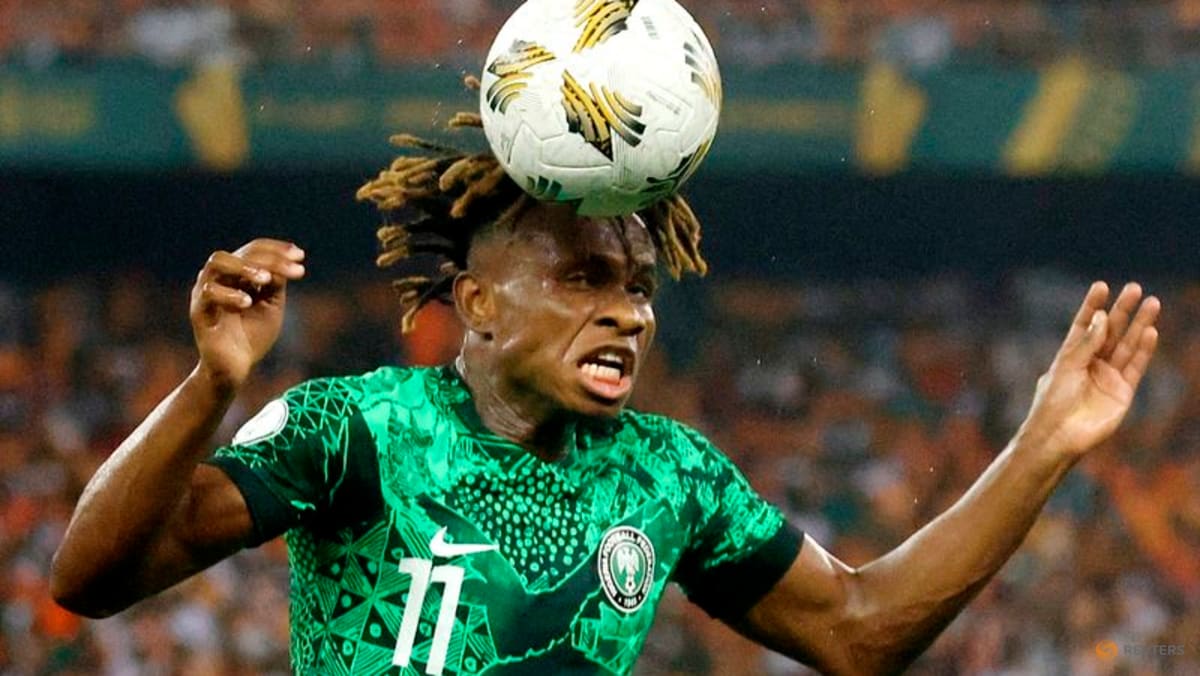
Samuel Chukwueze, the Fulham winger, recently voiced his frustration, stating, ”Everybody wants to play in AFCON. It’s one of the best competitions in the world… You have to respect the AFCON the same way you respect the European Championship or World Cup.” His sentiment echoes the feelings of many African players who feel compelled to represent their nations despite the potential repercussions for their club careers.
Player Perspectives: Duty vs. Club Loyalty
the conflict between national duty and club loyalty is a recurring theme. Players like Chukwueze face a difficult choice. While clubs invest heavily in their talent, the call to represent one’s nation is often considered paramount. As Chukwueze pointed out, “You don’t have any choice, your club can’t stop you and no one should say anything bad about the AFCON.”
This situation isn’t unique to African players. Players from South American nations also face similar challenges with the Copa America. However, the perception of AFCON as less crucial exacerbates the issue, leading to increased scrutiny and criticism. The emotional toll on players caught in this crossfire is frequently enough underestimated.
The Role of CAF and FIFA: Towards a Sustainable Solution
The Confederation of African Football (CAF) and FIFA bear the responsibility for finding a sustainable solution. several proposals have been floated over the years,including:
* Shifting to a June/July Slot: This aligns AFCON with the european off-season,minimizing disruption to club schedules. Though, this presents challenges related to weather conditions in many African nations during those months.
* Increased Financial Compensation to Clubs: FIFA could mandate increased compensation to clubs for releasing players, mitigating the financial losses incurred.
* Improved Collaboration with European Leagues: A more collaborative approach between CAF, FIFA, and European leagues is essential to