The Growing Link Between Kidney Disease and Heart Valve Problems: What You Need to Know
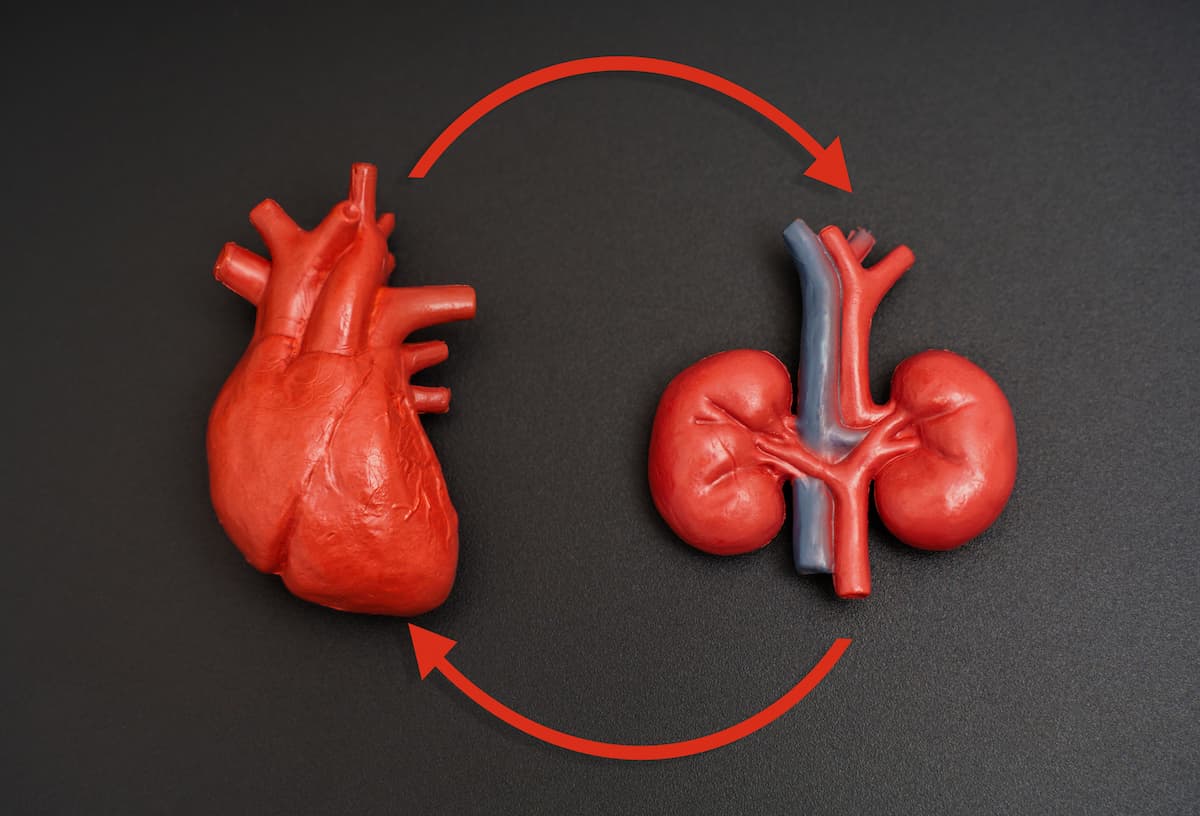
chronic kidney disease (CKD) and heart valve disease are increasingly recognized as interconnected health concerns. Recent research highlights a notable association, meaning if you have one condition, your risk for the other rises considerably. Understanding this connection is crucial for proactive management and improved outcomes.
Why the Connection?
Several factors contribute to this link.These include mineral and bone disorders common in CKD, inflammation, and the buildup of calcium in your heart valves - a process called calcific valve disease. This calcification stiffens the valves, hindering their ability to open and close properly, ultimately impacting heart function.
Who is at risk?
You are at higher risk if you have any stage of chronic kidney disease. The risk escalates with the severity of your kidney dysfunction. Additionally, individuals with existing cardiovascular risk factors like high blood pressure, diabetes, and older age are especially vulnerable.
Identifying High-risk Patients: A Team Approach
Early detection is key. A collaborative approach involving nephrologists (kidney specialists), cardiologists (heart specialists), and surgeons is becoming standard practice. This team works together to identify patients at risk and determine the optimal timing for potential interventions.
* Advanced Biomarker Research: Emerging research focuses on biomarkers like matrix Gla protein and fetuin-A. These circulating substances may help predict how quickly valve calcification will progress in your case.
* Personalized Intervention Timing: For those needing procedures like transcatheter aortic valve replacement (TAVR) or surgical valve repair, this multidisciplinary approach ensures the timing is tailored to your specific needs.
current Treatment Landscape & Emerging Therapies
Sadly, treatment options specifically targeting this connection remain limited. Traditional cardiovascular medications have shown inconsistent results in preventing valve calcification. However, research is actively exploring promising new avenues:
* Non-Calcium-Based Phosphate Binders: These aim to control phosphate levels without the potential downsides of calcium-based options.
* Vitamin K Supplementation: Studies suggest vitamin K may play a role in inhibiting calcification.
* Targeted Therapies: Researchers are investigating agents that address fibroblast growth factor 23 (FGF23) and oxidative stress pathways, both implicated in valve disease progression.
* Vitamin D Modulation: Careful consideration of vitamin D levels is vital, as it has complex, biphasic effects.
The Most effective strategy: Early Metabolic Management
Currently,the most effective approach involves proactively managing metabolic disturbances early in the course of chronic kidney disease. This includes:
* Pharmacologic Control: Effectively managing phosphate and parathyroid hormone levels with medication.
* Strict Blood Pressure Regulation: Maintaining optimal blood pressure control is vital.
What Can You Do?
If you have CKD, prioritize regular check-ups with both a nephrologist and a cardiologist. Discuss your risk factors and any symptoms you may be experiencing,such as shortness of breath,fatigue,or chest pain.
Taking an active role in your health, alongside a dedicated medical team, is the best way to navigate this complex interplay between kidney and heart health. Remember, proactive management can significantly reduce your risk of developing serious valve complications and improve your overall quality of life.