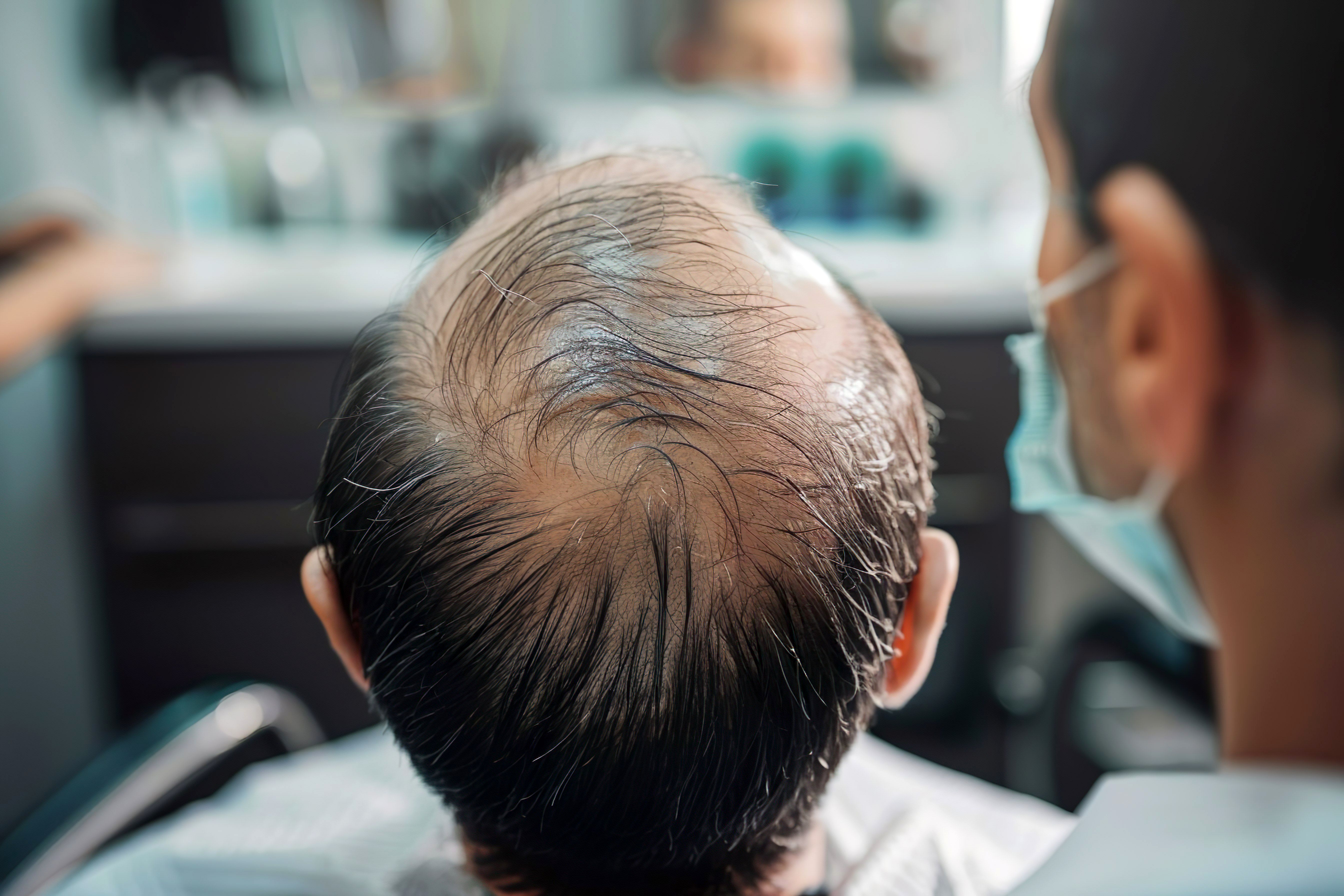
Restoring Your Hair: New Advances in male Pattern Baldness Treatment
Male pattern baldness, also known as androgenetic alopecia, is a common concern for many men. It can considerably impact self-confidence and quality of life. Fortunately,recent advancements are offering promising new avenues for treatment and restoration.
Understanding the root causes of hair loss is the first step. This condition is largely influenced by genetics and hormonal changes, specifically involving dihydrotestosterone (DHT).DHT shrinks hair follicles, leading to thinner hair and eventually, hair loss.
Emerging treatment Options
For years, treatments have focused on slowing down hair loss and stimulating regrowth. now, a new topical solution is showing significant potential.
Recent clinical trials have demonstrated a relative enhancement of up to 39% in target-area hair count compared to a placebo.This represents a considerable step forward in non-invasive hair loss treatment. Regulatory submissions are currently underway in both the United States and the european Union, signaling a potential new option on the horizon.
I’ve found that understanding the science behind these treatments empowers you to make informed decisions about your hair health. Here’s a breakdown of what’s currently known:
* DHT Blockers: These medications aim to reduce the impact of DHT on hair follicles.
* hair Growth stimulants: These treatments work to increase blood flow to the scalp and encourage hair follicle activity.
* Topical Solutions: New formulations, like the one mentioned above, are designed to be applied directly to the scalp for targeted treatment.
What to Expect from New Therapies
The latest research suggests that this new topical solution offers a unique approach. It aims to address the hormonal imbalances contributing to hair loss directly at the source.
Here’s what makes this progress particularly exciting:
- Improved hair Density: Clinical trials indicate a noticeable increase in hair count in the treated areas.
- Non-Invasive Approach: As a topical solution, it avoids the potential risks and side effects associated with more invasive procedures.
- Potential for Long-Term Results: Ongoing research will determine the long-term efficacy and safety of this treatment.
Taking Control of your Hair Health
You don’t have to accept hair loss as an inevitable part of aging. there are proactive steps you can take to maintain and restore your hair.
consider these strategies:
* Early Intervention: Addressing hair loss early on can significantly improve treatment outcomes.
* Healthy Lifestyle: A balanced diet, regular exercise, and stress management can all contribute to healthier hair.
* Professional Consultation: Consulting with a dermatologist or hair loss specialist is crucial for personalized advice and treatment options.
Here’s what works best in my experience: a holistic approach that combines medical treatments with lifestyle adjustments. Remember, restoring your hair is about more then just aesthetics; its about regaining your confidence and feeling your best.