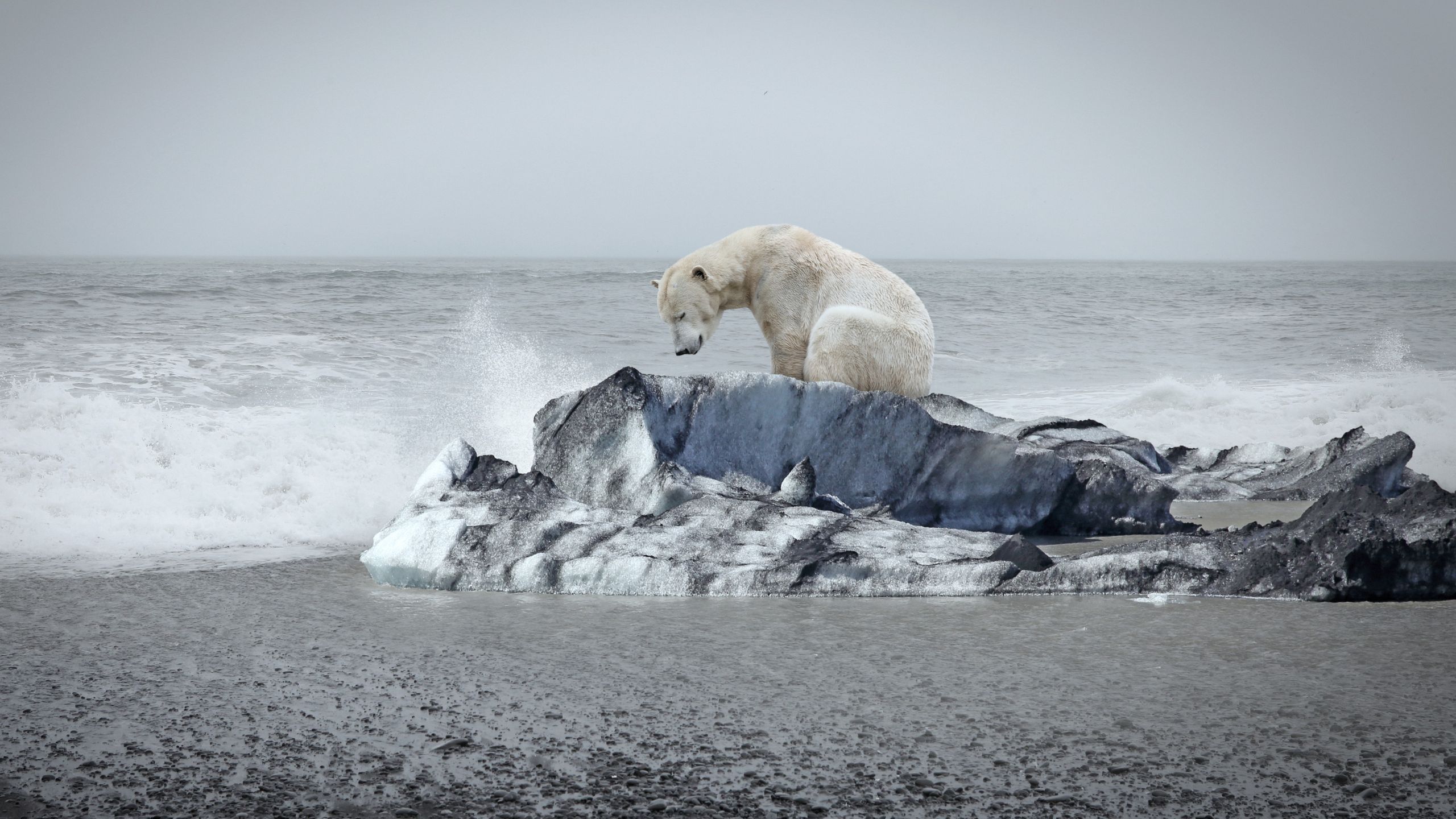
Navigating the Climate Crisis: Understanding Tipping Points and Pathways to Action
Global warming is no longer a distant threat; itS reshaping our planet in profound ways. Recent research suggests we may be approaching critical thresholds – known as climate tipping points – that could trigger irreversible and cascading effects across Earth’s systems. Understanding these points, and what we can do to avoid them, is paramount.
What are Climate Tipping Points?
Imagine a seesaw. For a long time, you can add weight to one side and it remains relatively stable. However, eventually, you reach a point where even a small addition of weight causes it to abruptly flip. That’s essentially what a climate tipping point is.
* They represent thresholds beyond which a change becomes self-perpetuating.
* These shifts can dramatically alter ecosystems and climate patterns.
* Examples include the collapse of major ice sheets, widespread coral reef die-offs, and abrupt changes in ocean currents.
while the exact thresholds for these tipping points remain uncertain, the growing body of evidence is deeply concerning. Scientists are identifying more potential tipping points than previously thought, and many may be closer than we realize.
The Looming Risk of a ”Doom Loop“
A particularly alarming concept is the idea of a “doom loop.” This refers to a scenario where multiple tipping points are triggered in rapid succession, creating a cascading effect that accelerates climate change and makes it increasingly arduous to reverse.
As a notable example, melting permafrost releases methane, a potent greenhouse gas, which further accelerates warming, leading to more permafrost thaw. This creates a dangerous feedback loop. It’s a scenario we must actively work to prevent.
Not Everyone Agrees on the Imminence
It’s importent to acknowledge that the scientific community doesn’t always speak with one voice. While a significant and growing number of researchers believe we are nearing dangerous tipping points, not all researchers agree with this assessment. This ongoing debate highlights the complexity of climate modeling and the need for continued research.
the Root Cause and the Simple Solution
despite the complexity of the consequences, the fundamental driver of global warming is surprisingly straightforward. You, and all of humanity, are increasing global temperatures by releasing carbon dioxide (CO2) and other heat-trapping greenhouse gases into the atmosphere.
The good news is that the solution is equally clear: reduce emissions. The amount of warming is directly proportional to the amount of carbon we emit.Therefore,cutting emissions is the most effective way to limit warming and its devastating consequences.
Why Every Year of Delay Matters
Every year we delay meaningful action, the risks and costs associated with climate change escalate. As William Ripple, a leading expert in the field, recently stated, “we can limit the damage if we act like this is the emergency it truly is.”
consider these critical points:
* Increased Severity: Delayed action leads to more extreme weather events, sea level rise, and ecosystem disruption.
* Higher Costs: The longer we wait, the more expensive it will be to adapt to the impacts of climate change and transition to a sustainable economy.
* Reduced Options: Delaying action narrows our window of opportunity to avoid the most catastrophic consequences.
The time for incremental change is over. We need bold,transformative action now to safeguard our planet for future generations. You have a role to play in demanding change and embracing sustainable practices in your own life.