
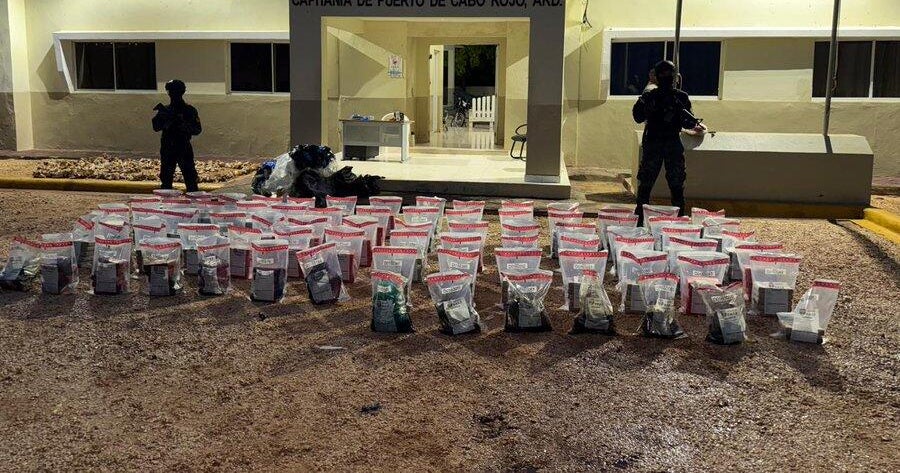
Rising Tensions in the Caribbean: U.S. Drug Interdiction and Venezuelan Response
The U.S. Navy has substantially increased its presence in the southern Caribbean Sea, leading to heightened tensions with Venezuela. This escalation stems from a U.S. mission focused on combating drug trafficking,but has quickly evolved into a complex geopolitical situation.
U.S. Naval Operations & Controversial Tactics
in august, eight warships and a submarine were dispatched to the region. The stated goal was to disrupt the flow of illegal narcotics.
According to the management, the naval force has successfully disabled at least three boats suspected of carrying drugs. Thes operations have tragically resulted in the deaths of over a dozen individuals.
However, these actions have drawn sharp criticism from human rights organizations. They argue the strikes constitute extrajudicial killings. Consequently,a resolution has been introduced in Congress seeking to halt further such operations.
The U.S. government alleges that two of the destroyed vessels originated from venezuela. Officials frequently accuse Venezuelan President Nicolás Maduro of being involved in drug trafficking and leading a criminal organization known as the Cartel of the Suns.
Venezuela’s Response & Accusations
President Maduro vehemently denies these accusations. He characterizes the U.S. naval buildup as a direct threat to his country’s sovereignty. He has labeled the warships an “absolutely criminal and bloody threat.”
Tensions have manifested in direct military posturing. Venezuelan fighter jets have twice flown in close proximity to a U.S. Navy ship, described by Defense Department officials as a risky “game of chicken.”
Furthermore, Venezuela accuses the U.S. of seizing a fishing vessel within its exclusive economic zone and detaining its crew for several hours.
Escalating Military Presence
The U.S. has been steadily increasing its military assets in the region. Several warships have been positioned off the Venezuelan coast. Additionally, ten F-35 fighter jets were recently deployed to Puerto Rico specifically for anti-cartel operations.
This situation underscores a growing risk of miscalculation and potential conflict. You can expect continued scrutiny of U.S. tactics and a strong response from Venezuela as long as the naval presence remains elevated.
Key Developments:
* U.S. Naval Deployment: Eight warships and a submarine sent to the southern Caribbean.
* Drug Interdiction: At least three boats destroyed, resulting in over a dozen fatalities.
* Human Rights Concerns: Critics label the strikes as extrajudicial killings.
* venezuelan Accusations: Maduro denounces the U.S. presence as a threat and alleges unlawful seizure of a fishing vessel.
* Military Posturing: Venezuelan fighter jets engage in close encounters with U.S. Navy ships.
* Increased U.S. Assets: Deployment of F-35 fighter jets to Puerto Rico for anti-cartel operations.
This situation requires careful monitoring as it unfolds. Yoru understanding of these developments is crucial for navigating the complex geopolitical landscape of the Caribbean.


