Colleen Ballinger Faces Backlash Over Past Interactions with Fans
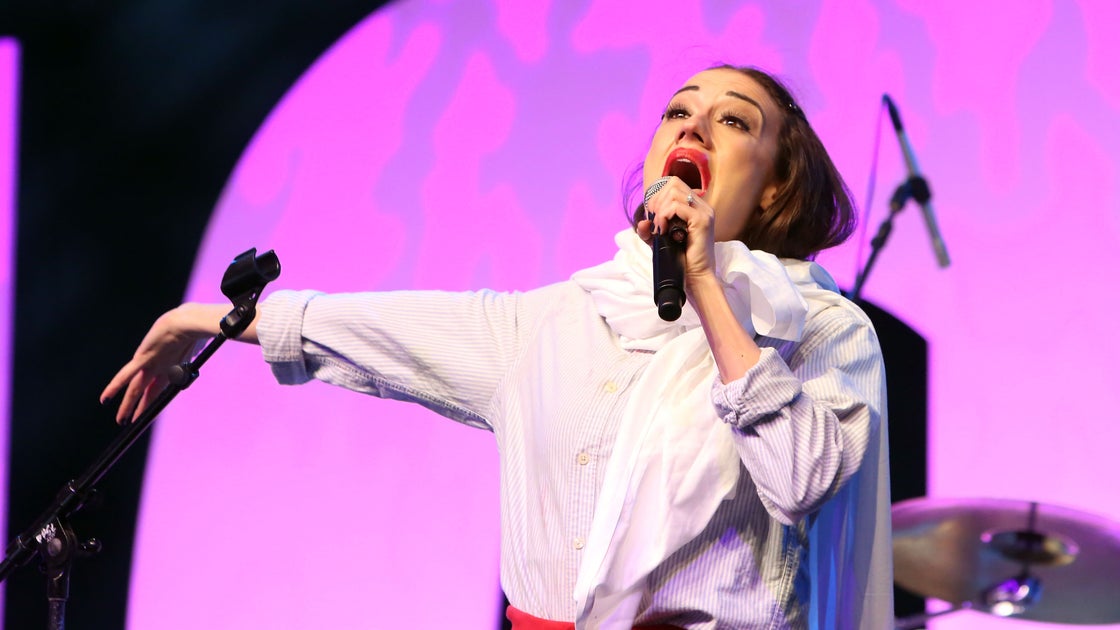
The internet personality Colleen Ballinger, known for her Miranda Sings character, is currently navigating a significant wave of criticism stemming from allegations of inappropriate behavior with fans – some of whom were underage. Recent discussions have brought to light concerning details about her past online interactions, sparking a broader conversation about parasocial relationships and the responsibilities of online creators.
The Core of the Controversy
Initially, the controversy ignited with accusations from former fans detailing uncomfortable exchanges. Adam McIntyre, a former admirer, publicly shared his experiences, alleging a pattern of grooming behavior. These claims quickly gained traction,prompting Ballinger to address the situation in a lengthy video response.
Ballinger acknowledged certain past actions, including participating in group chats with minor fans and engaging in conversations about sensitive topics like virginity. She framed these interactions as attempts to mirror the ”crass” humor of the group, but admitted her participation was “stupid” and regrettable.
Acknowledgment and Response
During a podcast appearance, Ballinger offered an apology and explained her perspective.She stated she never intended to harm anyone and expressed remorse for any pain caused. However, this response has been met with considerable skepticism and further criticism.
McIntyre, in turn, responded to Ballinger’s podcast appearance with a scathing YouTube video. He expressed growing anger towards Ballinger with age and accused her of portraying herself as a victim. His direct message was unequivocal: “you are fucking scum.”
Key Concerns and Allegations
Several specific concerns have emerged from the unfolding situation:
* inappropriate Conversations: Ballinger admitted to asking underage fans about their sexual experiences, even if she claimed it was to match their tone.
* Parasocial Relationships: The case highlights the potential dangers of parasocial relationships – one-sided connections where fans develop a sense of intimacy with a public figure.
* Power Dynamics: The significant age and status difference between ballinger and her fans raises questions about the inherent power imbalance in these interactions.
* Accountability for Online Behavior: This situation underscores the importance of online creators taking duty for their actions and the impact they have on their audience.
What Does This Mean for Creators and Fans?
This controversy serves as a crucial reminder for both content creators and their audiences.
For Creators:
* Be mindful of your interactions: Exercise caution and professionalism in all online communications, especially with younger fans.
* Establish clear boundaries: maintain appropriate distance and avoid engaging in personal or sensitive conversations.
* Understand the impact of your platform: recognize the influence you wield and the potential consequences of your actions.
For Fans:
* Recognize parasocial relationships: Understand that your connection with a creator is not a reciprocal friendship.
* Prioritize your safety: Be wary of any interactions that make you feel uncomfortable or exploited.
* Seek support if needed: If you have experienced harmful behavior online, reach out to trusted friends, family, or mental health professionals.
The fallout from this situation is ongoing, and it’s likely to continue shaping the conversation around online safety, creator responsibility, and the complexities of fan relationships. It’s a stark reminder that even in the digital world, accountability and ethical behavior are paramount.