
Colombia’s Troubled Path to Justice: The JEP and the Weight of the Past
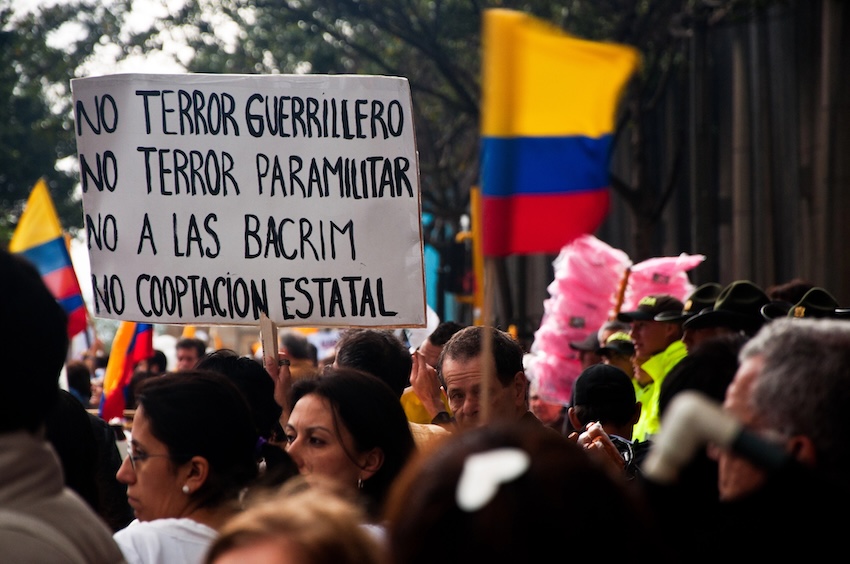
Colombia’s pursuit of peace following decades of internal conflict is a complex undertaking, fraught with challenges. A central pillar of this process is the Jurisdicción especial para la Paz (JEP), or Special Jurisdiction for Peace. Established to investigate and prosecute the most serious crimes committed during the conflict – those impacting the most vulnerable – the JEP is now delivering its first verdicts, revealing both progress and critically important hurdles. This article will delve into the recent developments surrounding the JEP, its current state, and the uncertainties that lie ahead.
The JEP’s Initial Verdicts: A Mixed Reception
Recently, the JEP issued its first sentences in two high-profile cases: the “miracle fishing” scandal and the ”false positives” affair.
* “Miracle Fishing”: this case involved members of the AUC (United Self-Defense Forces of Colombia) paramilitary group who fraudulently claimed to have demobilized in order to receive benefits. Sentences ranged from house arrest to five years imprisonment.
* “False positives”: This deeply disturbing case concerned the extrajudicial killings of civilians by members of the Colombian military,falsely reported as combat casualties. Here, sentences capped at eight years, though many defendants received shorter terms.
These initial rulings have sparked a mixed reaction. While some victims’ families express relief that crimes are being acknowledged and some measure of justice delivered, others feel the sentences are too lenient given the gravity of the offenses. Concerns are also being raised about the rigor of monitoring and restrictions placed on those sentenced.
Expanding Investigations & The Casanare Department
The JEP’s workload is substantial. Multiple sub-cases, categorized as “macro-cases,” are underway, investigating crimes across the country.
Notably, in the conflictive Casanare department, three generals and 22 other officers have agreed to participate in the transitional justice process. Those who deny involvement will face traditional trials, potentially leading to significantly longer prison sentences served in the regular prison system. This highlights the JEP’s dual approach: restorative justice for those who confess and accountability through the conventional legal system for those who don’t.
Challenges to the JEP’s Future
The JEP’s long-term viability faces several key challenges:
* Political Support: Colombia’s Presidential election in May 2026 will be crucial. A new government may prioritize diffrent approaches to security, potentially favoring military force against remaining armed groups (dissident FARC, ELN, and paramilitary organizations) over continued investment in transitional justice.
* Financial Resources: Previously, the United States provided financial assistance to the JEP through USAID. This funding has ceased with the agency’s abolition.
* International scrutiny: The UN Verification Mission for Colombia, tasked with monitoring the peace accord, is facing criticism. U.S. Permanent Representative Michael Waltz has questioned its focus on transitional justice, arguing it exceeds its original mandate.
These factors create uncertainty about the JEP’s ability to fully address the legacy of Colombia’s conflict.
A Precedent for Accountability
Despite these challenges, the JEP represents a significant step forward for Colombia. Historically, the country has often responded to periods of violence with political deals and amnesties, perpetuating a culture of impunity.
The JEP establishes a crucial precedent: demanding accountability from perpetrators of gross human rights violations. This precedent may prove vital for Colombia’s future, shoudl it face further cycles of violence and the need for reconciliation.
What does this mean for you? Understanding the complexities of the JEP is essential for anyone following Colombian politics, human rights, or peacebuilding efforts. the success or failure of this process will have profound implications for the country’s future stability and its ability to heal from decades of conflict.
Further Reading:
* Human Rights Watch: Colombia – Amicus Curiae regarding the Special Jurisdiction for Peace
* [Cambio Colombia: Discontent, Political Will, and Resources: The Controversies and Challenges Ahead with the First Sentences of the JEP](https://cambiocolombia.com/poder/articulo/2


