
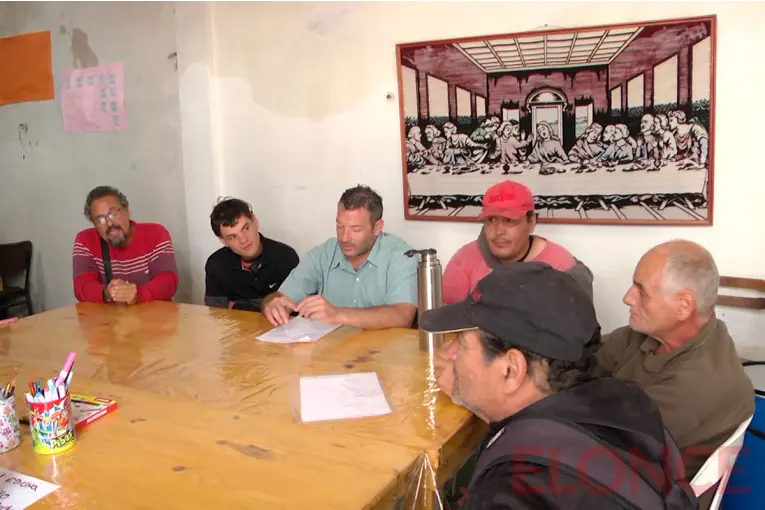
The Hogar de Cristo is currently seeking donations to sustain its essential humanitarian efforts, providing a critical safety net for those experiencing extreme vulnerability. By offering comprehensive support services, the organization aims to restore dignity and stability to individuals who have fallen through the cracks of the social system.
The facility provides a model of integral containment that addresses both immediate physical needs and long-term psychological recovery. This includes the provision of daily breakfast and lunch, personal hygiene facilities, and laundry services, ensuring that the most basic human requirements are met as a foundation for further rehabilitation.
Central to this approach is the integration of therapeutic accompaniment, a clinical practice designed to help individuals navigate psychological difficulties and regain autonomy in their daily lives. This specialized support ensures that the transition from crisis to stability is managed with professional guidance and emotional containment.
Understanding the Role of Therapeutic Accompaniment
Therapeutic accompaniment is far more than simple companionship; It’s a deliberate clinical strategy. According to verified professional standards, it serves as a continuous support system that allows people facing psychological challenges to maintain their well-being and autonomy within their everyday environments Bergens County Therapist. This practice is designed to complement traditional psychological treatments rather than replace them, filling the gap between clinical settings and the reality of daily life.

For many beneficiaries, the therapeutic companion acts as a “referent” or a psychic organizer. This role is vital for patients who may struggle to define their own boundaries or manage overwhelming emotions. By providing a steady presence, the companion helps the individual regulate their responses to stress, anxiety, and hopelessness Educ Intercambio.
The functions of this support are multifaceted, focusing on several key areas of recovery:
- Treatment Continuity: Motivating patients to stay committed to their medical or psychological treatments by managing the emotional shifts that often accompany recovery.
- Social Integration: Acting as a peer to facilitate interaction with the social environment, including accompanying the person to educational, vocational, or recreational activities.
- Emotional Containment: Providing a unique form of emotional support that reinforces psychological treatment and offers a safety net during moments of crisis Francisco Psicólogo.
- Development of Agency: Encouraging the growth of initiative and will, helping individuals perform daily activities they might otherwise avoid due to depression or psychological distress.
The Impact of Integral Containment
The combination of physical sustenance and mental health support creates a holistic environment for recovery. When a person’s basic needs—such as food and hygiene—are secured, they are better positioned to engage with the therapeutic process. The availability of laundry and hygiene services is not merely a matter of cleanliness; it is a critical step in restoring a sense of self-worth and social acceptability, which are essential for reintegration into the community.
This comprehensive approach recognizes that mental health cannot be treated in isolation from physical circumstances. A person struggling with severe psychological distress is unlikely to succeed in therapy if they are simultaneously facing hunger or lack of basic sanitation. By addressing these needs concurrently, the Hogar de Cristo creates a stable platform from which individuals can initiate the difficult function of emotional and social recovery.
Ethics and Professional Standards in Care
To ensure the safety and dignity of those receiving care, therapeutic accompaniment is governed by strict ethical principles. These include a commitment to confidentiality and a deep respect for the patient’s autonomy. The goal is always to empower the individual to eventually function independently, rather than creating a permanent state of dependency on the provider Bergens County Therapist.
The professional nature of this work requires a solid theoretical foundation. It involves the ability to identify when a patient is in a state of “desvalimiento” (helplessness) and provide the necessary shielding and support to help them navigate those moments without succumbing to despair.
Key Takeaways for Donors
- Comprehensive Care: Donations support a full spectrum of needs, from nutrition (breakfast and lunch) to hygiene and mental health.
- Clinical Depth: The program utilizes therapeutic accompaniment to ensure patients do not abandon their treatments and can regain autonomy.
- Social Reintegration: Support extends beyond the facility, helping individuals re-engage with the public sphere and social activities.
- Dignity First: Basic services like laundry and hygiene are treated as essential components of psychological healing.
The ongoing need for donations underscores the volatility of funding for social services and the constant demand for high-quality, integral care for the marginalized. Each contribution helps maintain the staffing and resources required to provide this level of professional containment.
For those seeking further information on how to contribute or wishing to track the impact of their donations, official channels through the organization provide the most accurate updates on current needs and project milestones.
We invite our readers to share this article to raise awareness about the importance of integral containment in mental health and social recovery. Please exit your thoughts in the comments section below.