
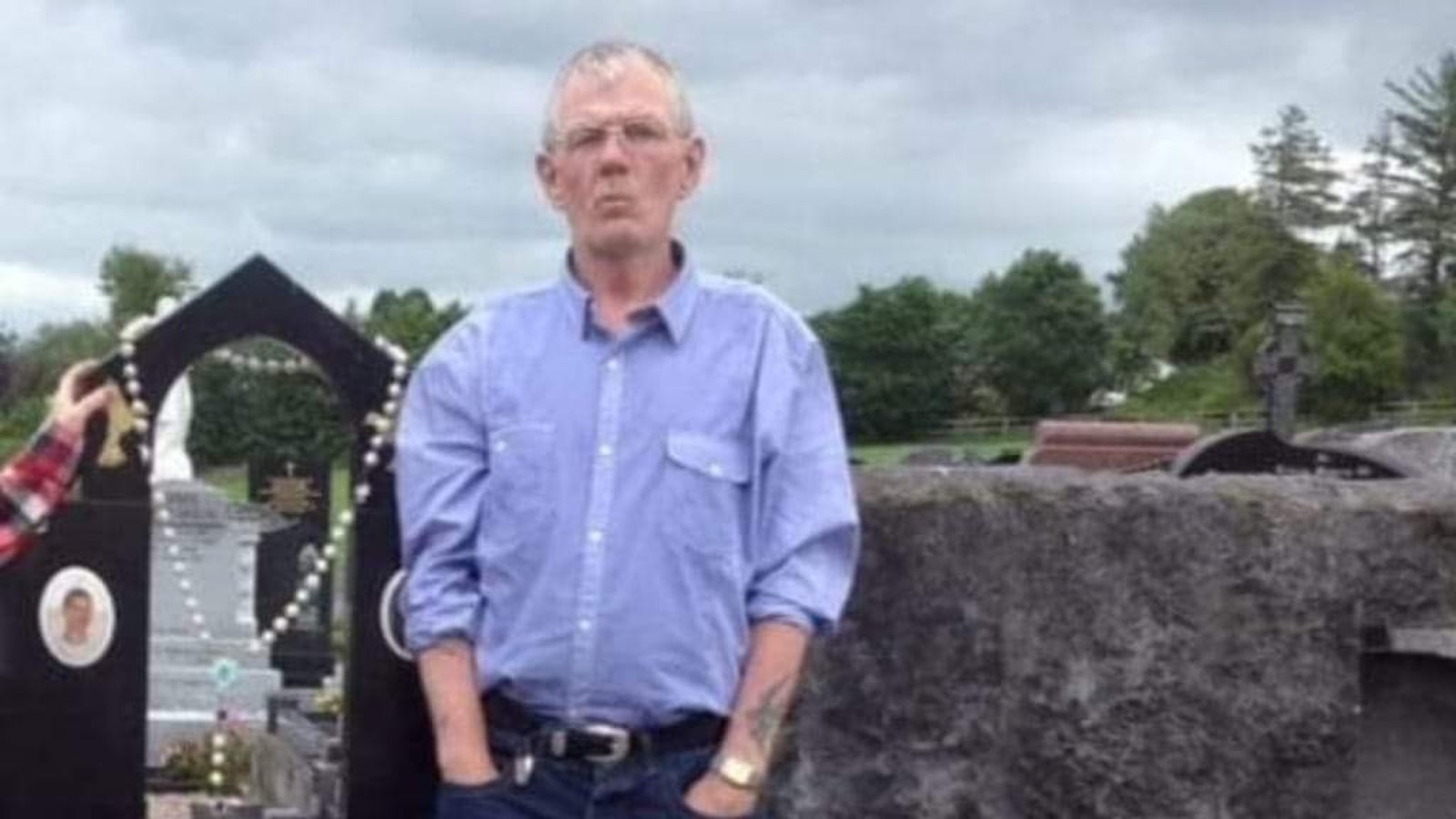
The michael Foley case: Updates, Timeline, adn Legal developments
The case surrounding the death of Michael Foley, a 61-year-old father of four, has captivated public attention in Ireland. Found deceased at his home in Macroom, County cork, in February 2024, the investigation led to the trial of Daniel Hourigan and Linda O’Flynn, both 32, charged with his murder.This article provides a complete overview of the case, detailing the timeline of events, legal proceedings, and current status as of November 18, 2025.
The Initial Investigation & Timeline
On February 6, 2024, Gardaí (Irish police) discovered Michael FoleyS body at Annville Housing Complex in Barrett’s Place, Macroom. A subsequent post-mortem examination,conducted by Assistant State Pathologist dr. Margot Bolster at Cork University Hospital, determined the death resulted from a violent act, prompting a full-scale murder investigation.
Foley, originally from Scartagh in Clonakilty, West Cork, was well-known in the local community. His passing was deeply felt,as evidenced by the large turnout at his requiem mass held at the Church of the Immaculate Conception in Clonakilty,followed by burial at St. Mary’s cemetery.
The Trial and Jury Discharge
Daniel Hourigan, from Farranree, Cork City, and Linda O’Flynn, formerly of Hollyhill, Cork City, were charged with Foley’s murder. Both defendants pleaded not guilty to the charge of murdering Mr. Foley at his Macroom residence between January 31st and February 1st, 2024.
The trial commenced at the Central Criminal Court in Cork earlier this month,with eight days dedicated to presenting evidence. Though, on november 17, 2025, Ms. Justice Siobhan Lankford discharged the jury – comprised of nine men and three women – following a meaningful legal argument.
Justice Lankford emphasized the jury’s valuable contribution, stating their participation was “extremely helpful and necessary.” She excused them from further jury duty for five years, acknowledging the tough nature of the case. The specifics of the legal argument leading to the discharge haven’t been publicly disclosed, but it suggests a critical point of contention regarding the admissibility of evidence or legal interpretation.
Understanding the Legal Process & Potential Outcomes
The discharge of the jury doesn’t signify an end to the case. It indicates a need for further legal clarification or potentially a re-evaluation of the prosecution’s strategy. several outcomes are now possible:
* Retrial: The prosecution could seek a retrial with a new jury.
* Further Investigation: Gardaí may conduct additional investigations based on the issues raised during the legal argument.
* Negotiated Plea: Discussions could occur between the defense and prosecution regarding a potential plea bargain.
* Case dismissal: While less likely, the prosecution could decide to drop the charges if they beleive a conviction is improbable.
This situation highlights the complexities of the Irish criminal justice system and the importance of due process. The focus now shifts to the prosecution’s next steps and whether a resolution can be reached. Recent data from the Courts Service of Ireland (November 2025) shows a slight increase in the number of jury trials resulting in discharge due to legal complexities, underlining the growing need for clarity in evidentiary standards. https://www.courts.ie/
Related Subtopics & Considerations
Beyond the immediate details of the case, several related issues deserve attention:
* Victim Support: The impact of violent crime extends far beyond the immediate victim. Organizations like Victim Support offer crucial assistance to families and communities affected by tragedy.
* Domestic Violence & Homicide: While details remain confidential, understanding the potential link between domestic disputes and homicide is crucial for prevention efforts.
* Mental Health & Crime: Exploring the role of mental health in criminal behavior is essential for developing effective intervention strategies.
Evergreen Insights: The Importance of Forensic Evidence
Nonetheless of the specific case, the role of forensic evidence in murder investigations remains paramount. Advances in DNA analysis, digital forensics, and crime scene reconstruction continue to revolutionize the pursuit of justice. Maintaining the integrity of evidence,adhering to strict protocols,and employing skilled forensic experts are vital for ensuring accurate and reliable results. The Forensic Science Ireland institution plays a critical role in this process, providing expert





