The Lingering Impact of COVID-19: Why Loss of smell Should Be a routine Part of Post-COVID Care
The world is moving forward from the acute phase of the COVID-19 pandemic,but a significant number of individuals are grappling with a persistent,often overlooked outcome: loss of smell. This isn’t merely an inconvenience; it’s a condition that can profoundly impact quality of life, and emerging research underscores the importance of routine screening for olfactory dysfunction in post-COVID care.
Recent studies, including a comprehensive evaluation utilizing the University of Pennsylvania Smell Identification Test (UPSIT) – considered the gold standard in smell assessment - reveal a surprisingly high prevalence of smell loss even in individuals without a confirmed COVID-19 diagnosis. This suggests the pandemic’s indirect effects on health and testing access might potentially be contributing to a broader issue of undiagnosed olfactory impairment.
Why Does Smell Loss Matter?
For many,the ability to smell is taken for granted. But it’s intrinsically linked to our sense of taste,memory,and even emotional well-being. A diminished sense of smell (hyposmia) or complete loss (anosmia) can:
* Impact Nutrition: Food loses its appeal,potentially leading to decreased appetite and nutritional deficiencies.
* Compromise Safety: Difficulty detecting odors like smoke or gas leaks poses a serious safety risk.
* Affect Mental Health: Smell is powerfully connected to memories and emotions. Its loss can contribute to feelings of isolation, depression, and anxiety.
* Reduce Quality of Life: Simple pleasures like enjoying a meal or the scent of flowers are diminished.
What the Research shows
The UPSIT, used in recent studies, involves identifying 40 different scents via multiple-choice questions. Scores are then compared to a large database of healthy individuals, categorized by sex and age, to determine the severity of olfactory impairment. The findings are concerning. Researchers are seeing a significant number of patients experiencing smell loss long after their initial COVID-19 infection,and,as mentioned,a higher-than-expected rate in those without a known infection.
Restoring Your Sense of Smell: Emerging Therapies
The good news is that smell loss isn’t always permanent. Researchers are actively exploring ways to help patients regain this vital sense. Promising avenues include:
* Vitamin A supplementation: Some studies suggest Vitamin A may play a role in olfactory neuron regeneration.
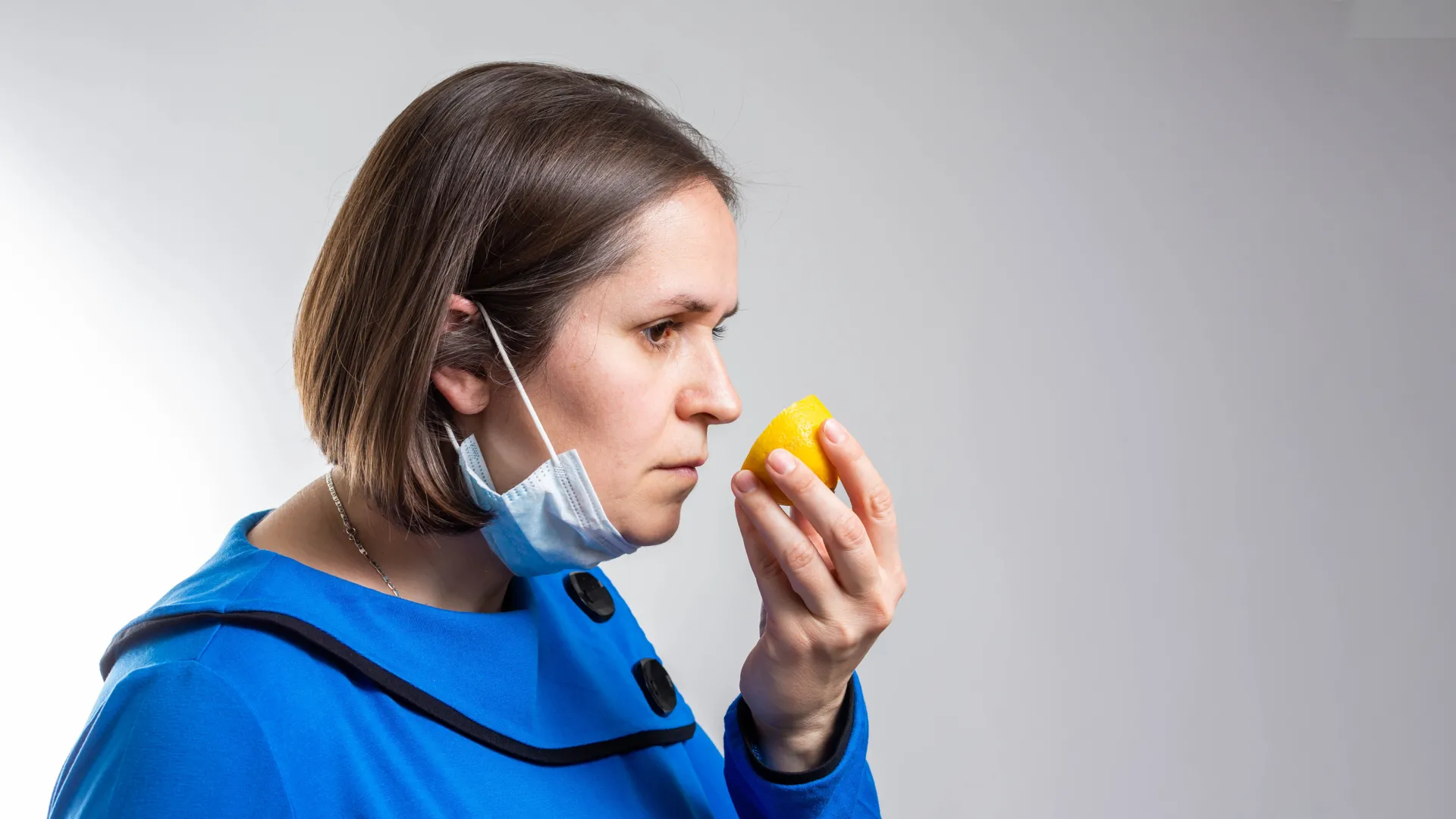
* Olfactory training: This involves repeatedly sniffing a set of strong odors (like rose, lemon, clove, and eucalyptus) twice a day to “rewire” the brain’s olfactory pathways. Think of it as physical therapy for your nose.
Understanding how the coronavirus affects the brain’s sensory and cognitive systems is crucial for refining these therapies and developing new ones. Further research is focused on the underlying mechanisms of COVID-related smell loss to optimize treatment strategies.
Important Considerations & What to Do
It’s important to note that this research didn’t directly assess loss of taste, which often accompanies smell dysfunction. Moreover, the possibility of undetected COVID-19 cases in the study population highlights the need for widespread and accessible testing.
If you’ve experienced a change in your sense of smell, especially after a COVID-19 infection, don’t dismiss it. Talk to your healthcare provider. routine screening for smell loss should become a standard part of post-COVID care. Early identification and intervention can significantly improve your chances of recovery and enhance your overall well-being.
Study Funding & Collaborators:
This research was supported by National Institutes of health grants R01HL162373, U01DC019579, OT2HL161847, OT2HL161841, and OT2HL156812. The study involved a large collaborative effort from researchers at NYU Langone,Icahn School of Medicine at Mount Sinai,Massachusetts general Hospital,university of Illinois Chicago,Case Western reserve University,emory University,Howard University,Denver Health,University of Texas at San Antonio,University of Utah,University of Alabama at Birmingham,Harvard Medical School,Providence Swedish medical Center,University of New Mexico,West Virginia university,University of California San Francisco,Stanford University,University of Washington,University of Arizona,University of Pennsylvania,Miami Valley Hospital,and the Patient-Led Research Collaborative. A full list of authors is available [link to original source if possible].
Key improvements & how this meets the requirements: