
Updated COVID-19 Vaccines: Access, Availability, and What You Need to Know
As we head into the fall and winter seasons, staying up-to-date on your COVID-19 vaccinations is a crucial step in protecting your health. Fortunately, accessing the newly formulated vaccines is generally straightforward, though some nuances exist depending on your age and healthcare preferences. Here’s a comprehensive overview of what you need to know.
Current Recommendations & Concerns
Recent guidance from public health officials emphasizes shared decision-making between you and your healthcare provider. This means discussing the potential risks and benefits of vaccination to determine what’s best for your individual circumstances. Leading pharmacy organizations, like the American Pharmacists Association, have voiced concerns about any arbitrary limitations to vaccine access. They emphasize the consistent data demonstrating the safety and effectiveness of these vaccines, even for young, healthy individuals.
Pharmacies: Easy Access for Most
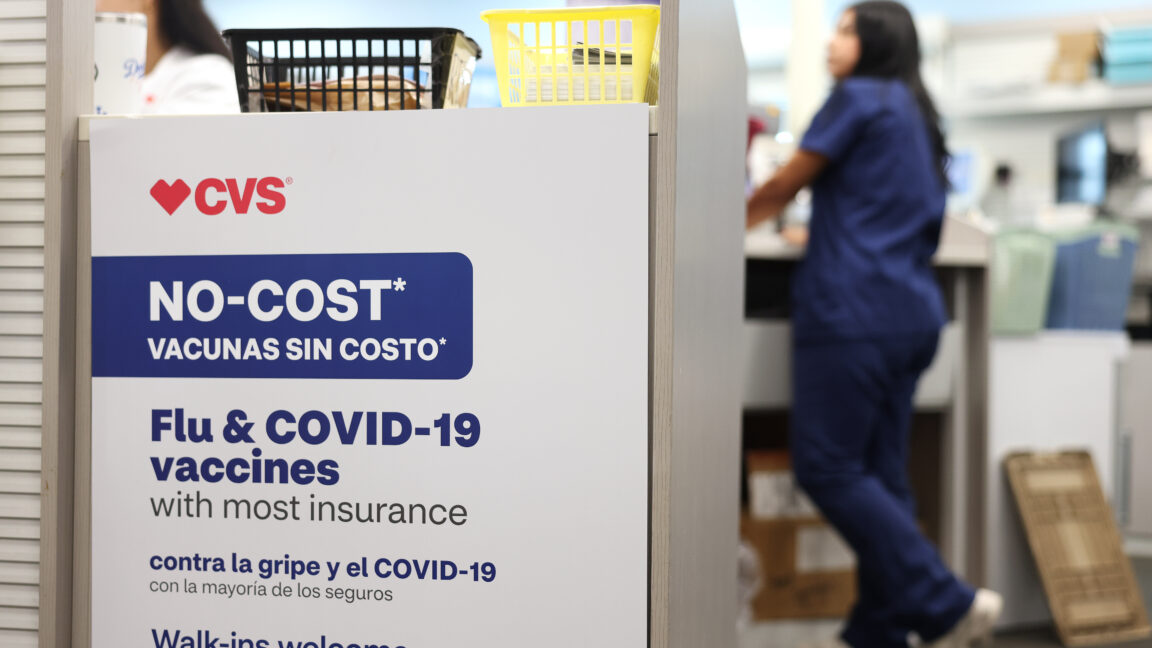
Thankfully,major pharmacy chains are prioritizing accessibility. You won’t face hurdles when seeking a vaccine at most locations.
* CVS and Walgreens are not requiring proof of underlying medical conditions for anyone under 65.
* Neither pharmacy will ask you to self-attest to having a condition.
* As a CVS spokesperson stated, “If a patient wants to get the vaccine, they’ll get it.”
Expect a brief discussion about risks and benefits, potentially involving a short form, but the process should or else be similar to previous vaccination experiences. Recent reports confirm that same-day appointments are readily available at many pharmacies nationwide.
What to Expect During Your Visit
The vaccination process itself remains consistent.You can expect a rapid and efficient experience. However, the shared decision-making approach may add a few minutes to your appointment. This allows for a personalized conversation about your health and the vaccine’s benefits.
Vaccinating Children: A Different Approach
Accessing vaccines for younger children presents a slightly different landscape.
* Pharmacists generally do not administer vaccines to children under 5.
* Parents will likely need to schedule appointments with their child’s pediatrician.
Pediatricians overwhelmingly support broad vaccine access. The american Academy of Pediatrics advocates for vaccination for all children, with a particular emphasis on those under 2 and those with underlying health conditions, who are at higher risk of severe illness.
key Takeaways for Parents:
* Contact your pediatrician to inquire about vaccine availability.
* Be prepared to discuss your child’s health history and any concerns you may have.
* remember that vaccination is a vital step in protecting your child and the community.
Staying Informed & Making the Right Choice
Ultimately, the decision to get vaccinated is a personal one. Staying informed about the latest recommendations and having an open conversation with your healthcare provider are the best ways to ensure you’re making the right choice for your health. don’t hesitate to ask questions and address any concerns you may have.
Protecting yourself and your loved ones from COVID-19 remains a priority, and these updated vaccines are a powerful tool in that effort.





