
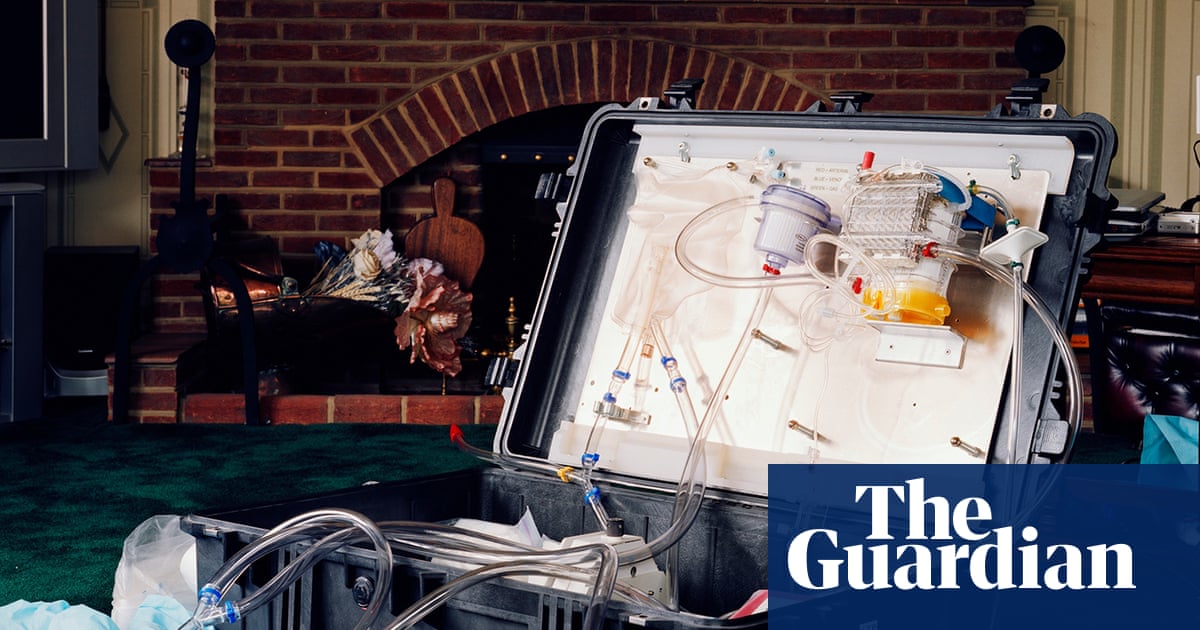
Cryopreservation and the Complexities of Love, Loss, and future Reunion
the concept of extending life beyond its natural limits through cryopreservation - the preservation of a body by means of low-temperature methods - has moved from the realm of science fiction into a burgeoning, albeit controversial, field.As of November 11, 2025, over 500 individuals globally have opted for this procedure, hoping for a future revival with advanced medical technologies. This practice, however, introduces profound ethical, emotional, and logistical challenges, as vividly illustrated by the poignant story of Alan, Sylvia, and a subsequent unexpected love.Their narrative, unfolding with both humor and sensitivity, compels us to contemplate how we navigate grief, our own certain mortality, and the tantalizing possibility of enduring existence.
The Promise and Practicalities of Cryonic Preservation
initially envisioned as a temporary measure until curative technologies emerge, cryopreservation involves cooling a legally deceased individual to extremely low temperatures – typically -196°C (-321°F) using liquid nitrogen – to halt biological decay. the Alcor Life Extension Foundation, a leading organization in the field, details a meticulous process involving perfusion with cryoprotective agents to minimize ice crystal formation, which can damage cellular structures. Alcor’s website provides comprehensive information on their procedures and the scientific rationale behind them.
However, it’s crucial to understand that current technology cannot revive a cryopreserved individual. The procedure is essentially a bet on future scientific advancements. A 2024 report by the Institute for ethical and Emerging Technologies highlights that triumphant revival would require repairing cellular damage caused by both the original illness and the cryopreservation process itself,a feat currently beyond our capabilities.
| Feature | Cryopreservation | Conventional Burial/Cremation |
|---|---|---|
| Cost | $200,000 – $600,000+ (including long-term storage) | $8,000 – $15,000 (average) |
| Future Possibility | Potential for revival with future technology | None |
| Environmental Impact | Relatively low (long-term energy consumption for storage) | Important (land use, emissions from cremation) |
| Emotional Closure | Delayed, contingent on future events | Generally immediate |
Did You Know? The first human cryopreservation took place in 1967, with Dr. James bedford being the first individual to be cryopreserved. His body remains in storage at the Alcor Life Extension Foundation.
The Emotional Landscape of Planned Cryopreservation
Alan’s initial commitment to cryopreservation with his wife, Sylvia, represents a powerful expression of love and a desire to defy mortality. This shared vision provided a framework for coping with the inevitability of death, offering a sense of continued connection. Though, life’s unpredictable nature intervened. Sylvia’s untimely passing left Alan, at 87, grappling with profound grief and, unexpectedly, a new romantic connection.
This scenario underscores a critical, frequently enough overlooked aspect of cryopreservation agreements: the potential for changing circumstances and evolving emotions. Pre-need arrangements, made decades before actual death, may not align with an individual’s desires at the time of passing.As a grief counselor specializing in complex bereavement, I’ve observed numerous cases where individuals reconsidered previously held beliefs about end-of-life arrangements following significant loss. The emotional weight of a future reunion, predicated on a past relationship, can become incredibly complex when new affections emerge.
“The human heart is remarkably resilient, but also profoundly susceptible to change. Planning for the future, even a distant future, cannot fully account for the unpredictable currents of human emotion.”
Pro Tip: If you are considering cryop

NVIDIA & NPS Launch Navy’s AI Training Flagship | Naval Leadership & Artificial Intelligence
Trump’s 50-Year Mortgage Plan: CEO Slams ‘Insulting’ Proposal


Related Posts

Beat Hangovers: Vitamin B & Prevention – What Works?
December 27, 2025
Clare Bailey Mosley: Simple Life Changes for Wellbeing | The Mich ...
December 27, 2025


