
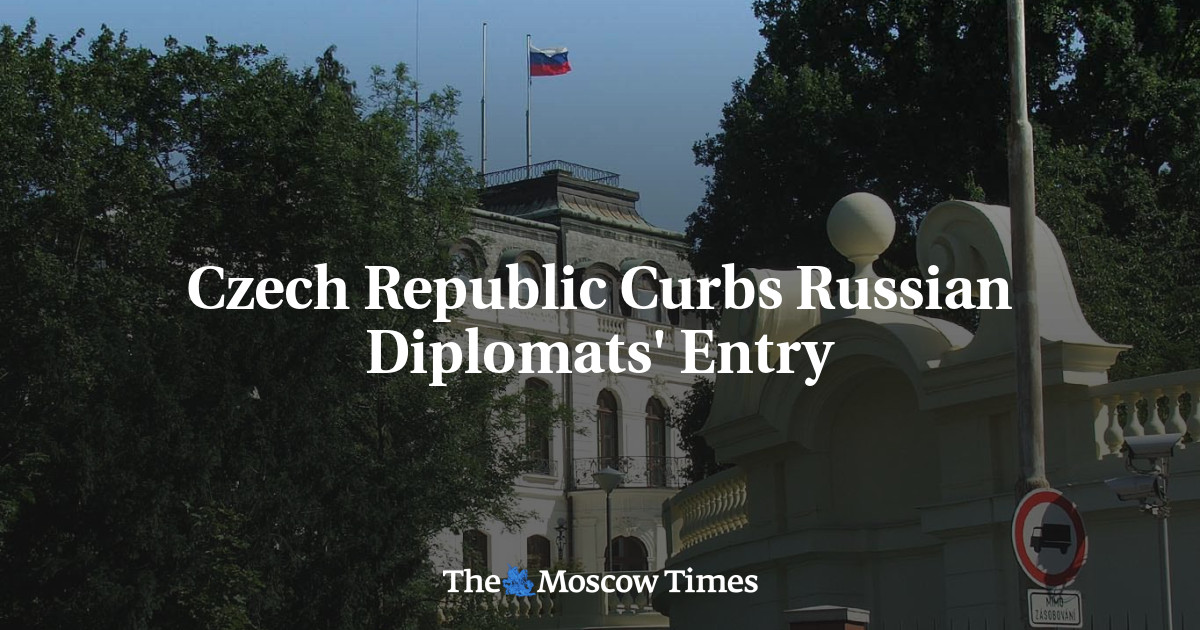
Czech Republic Leads EU in Restricting Russian Diplomatic Activity Amid Espionage Concerns
the Czech Republic has taken a decisive step in bolstering its national security by limiting the activities of Russian diplomats stationed within its borders. This move, enacted earlier in May, marks the first such restriction implemented by a European Union member state. It signals a growing concern across europe regarding alleged Russian espionage activities conducted under the guise of diplomatic immunity.
A Response to Escalating Security Threats
The Czech government’s decision stems from mounting evidence of Russia actively rebuilding its intelligence networks within the EU.Specifically, Czech intelligence officials believe that the extensive Russian diplomatic presence has been used to conceal networks of agents posing a direct threat to Czech security.
foreign Minister Jan Lipavsky articulated the country’s commitment to expanding these restrictions. He announced the Czech republic will actively advocate for similar, pan-European measures within both the EU and the Schengen Area. This push aims to create a unified front against perceived Russian intelligence operations.
Details of the New restrictions
While specific details of the restrictions remain confidential for security reasons, they demonstrably limit the movement and operational capacity of Russian diplomats. These measures are designed to disrupt espionage efforts and reduce the potential for harmful activities.
The Czech Security Details Service (BIS), the nation’s intelligence agency, confirmed in its 2024 annual report that Russia continues to prioritize rebuilding its espionage infrastructure. This infrastructure operates under the cover of diplomatic positions, making it difficult to monitor and counter.
broader Implications for European Security
The Czech Republic’s action is widely viewed as a bellwether for a broader shift in European policy toward Russia. You’re seeing increased scrutiny of Russian diplomatic activity across the continent,fueled by concerns over interference in democratic processes and potential acts of sabotage.
* Increased Vigilance: European nations are becoming more proactive in identifying and neutralizing potential threats posed by Russian intelligence operatives.
* Strengthened Cooperation: There’s a growing emphasis on intelligence sharing and coordinated responses to Russian activities.
* Deterrence: The Czech Republic’s move sends a clear message to Russia that espionage activities will not be tolerated.
Czech Republic’s Support for Ukraine
This assertive stance on security aligns with the Czech Republic’s strong support for Ukraine. As both an EU and NATO member, the czech Republic has consistently provided substantial humanitarian and military aid to Ukraine as the start of the russian invasion.
This commitment to Ukraine,coupled with the new restrictions on russian diplomats,underscores the Czech Republic’s firm stance against Russian aggression and its dedication to safeguarding European security.
Looking Ahead
The Czech Republic’s initiative is expected to spark further debate and action within the EU. You can anticipate increased pressure on other member states to adopt similar measures. The goal is to create a more secure environment for European citizens and protect against the evolving threats posed by foreign intelligence operations.



![Multi-Plane Focusing Camera: Breakthrough in Depth of Field | [Year]](https://i0.wp.com/www.techspot.com/images2/news/ts3_thumbs/2015/06/camera-lens.jpg?resize=150%2C100&ssl=1 "Multi-Plane Focusing Camera: Breakthrough in Depth of Field | [Year]")


