
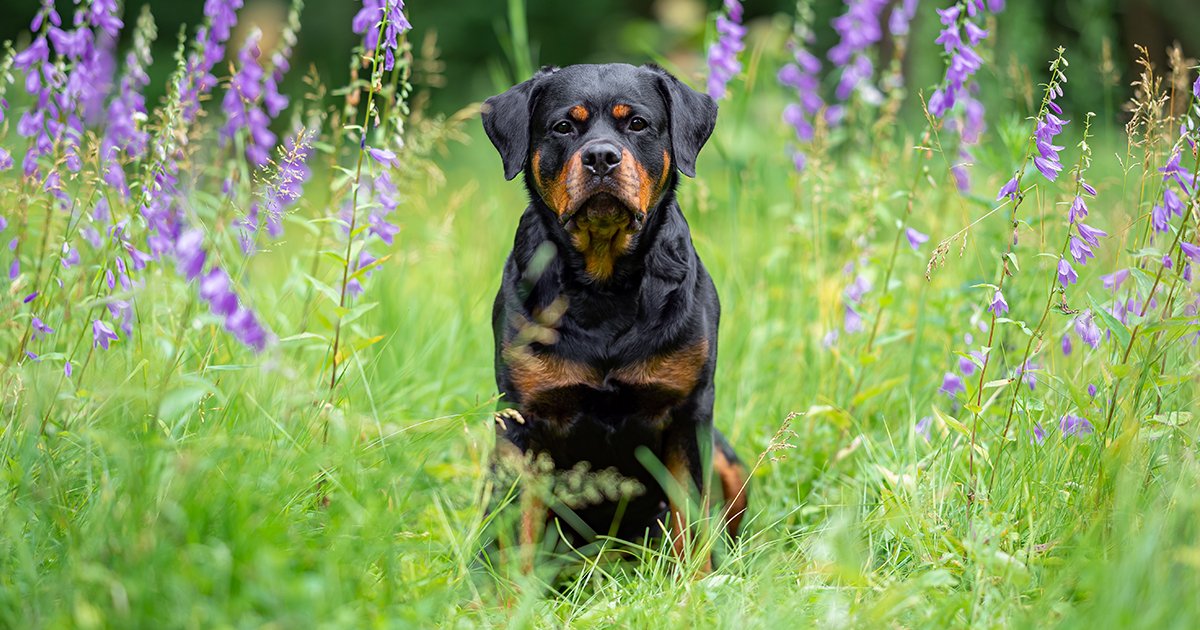
Public safety and the bond between humans and their pets often find themselves at a complex crossroads, particularly when legislation attempts to categorize animals by their perceived risk. In Russia, this tension is codified in a specific legal framework designed to mitigate the risk of canine attacks through the identification of “potentially dangerous” breeds.
The effort to regulate specific breeds is not merely about the animals themselves, but about managing the intersection of genetic traits and human responsibility. Since 2019, the Russian government has maintained a formal registry of dogs that are considered a potential threat to human life and health, a move intended to create a systemic approach to public safety in urban and rural environments.
While the registry was established with the clear goal of preventing attacks, the ongoing conversation surrounding its effectiveness highlights the difficulty of legislating animal behavior. The current framework relies on a combination of genetic history, physical strength, and the specific purpose for which a breed was originally developed.
The Legal Foundation of Russia’s Dangerous Dog Registry
The regulatory structure for these animals is rooted in Federal Law No. 498-FZ “On the Responsible Treatment of Animals,” which mandates the creation of a list of potentially dangerous dogs. To implement this law, the Government of the Russian Federation issued Decree No. 974 on July 29, 2019, which officially approved the list of breeds and their hybrids that fall under this classification.

This decree, which went into effect on August 7, 2019, provides the legal basis for identifying dogs that may require stricter oversight. Under this law, “potentially dangerous dogs” are defined as those of specific breeds, their hybrids, or other dogs that pose a potential risk to human health and are explicitly included in the government’s approved list.
Defining “Potentially Dangerous”: The Criteria for Inclusion
The government does not categorize breeds arbitrarily. instead, the inclusion of a dog in the registry is based on several deterministic factors. According to official government documentation, the list focuses on dogs possessing “genetically determined qualities of aggression and strength” that could jeopardize human safety .
Beyond raw strength and aggression, the criteria for being labeled “potentially dangerous” include:
- Hunting and Trawling Breeds: Breeds historically used for hunting or “trawling” are included due to their inherent drive and behavioral patterns.
- Aboriginal Breeds: Certain native or aboriginal breeds are listed because they have not undergone selective breeding for loyalty to humans, meaning their behavioral patterns are not fully studied or predictable.
- Hybridization: The law extends these classifications to hybrids, acknowledging that the traits of dangerous breeds can be passed down to mixed-breed offspring.
The List of Breeds and Hybrids
The registry currently encompasses 12 specific breeds and their hybrids. These animals are singled out because their physical capabilities and genetic predispositions are viewed as higher-risk factors in the event of an uncontrolled encounter.
Among the breeds explicitly named in the government’s approved list are the Akbash, American Bandog, Ambuldog, Brazilian Bulldog, and Bull Kutta . By identifying these specific breeds, the state aims to signal to owners and the public that these animals require a higher standard of care and containment.
Regulatory Shifts and Public Safety
The application of these rules has evolved over time. While the registry remains a cornerstone of the government’s approach to animal safety, the mechanism for enforcing it has seen adjustments. For instance, as of June 13, 2024, compliance with the requirements of Decree No. 974 is no longer evaluated within the framework of federal state ecological control .
This shift in oversight reflects the ongoing challenge of balancing legal mandates with practical enforcement. Despite the existence of the registry since 2019, the goal of completely eliminating canine attacks remains elusive. This has led to discussions regarding whether the current list is sufficient or if the initiative needs to be expanded to cover more breeds or implement stricter ownership requirements to truly protect the public.
Key Takeaways on Russia’s Dangerous Dog Registry
| Feature | Details |
|---|---|
| Effective Date | August 7, 2019 |
| Legal Basis | Federal Law No. 498-FZ and Government Decree No. 974 |
| Number of Breeds | 12 breeds and their hybrids |
| Primary Criteria | Genetic aggression, strength, and lack of loyalty selection |
| Key Examples | Akbash, American Bandog, Brazilian Bulldog, Bull Kutta |
For pet owners, understanding these classifications is essential for legal compliance and responsible ownership. While the registry focuses on breed, the ultimate responsibility for a dog’s behavior lies with the owner, emphasizing the need for proper training and socialization regardless of the breed’s status on a government list.
The next official checkpoints for these regulations will likely involve updates to the list of breeds or changes in how the Ministry of Internal Affairs and other bodies monitor the “responsible treatment of animals” as mandated by Federal Law No. 498-FZ.
Do you believe breed-specific legislation is the most effective way to ensure public safety, or should the focus remain entirely on owner responsibility? Share your thoughts in the comments below.