
NATO & EU Bolster Defenses Amidst Escalating Russian Airspace Violations & Drone Threat
Recent incursions into Polish and Estonian airspace by Russian drones and military aircraft are driving a significant shift in European defense strategy. NATO and the European Union are accelerating plans to enhance security, focusing on countering drone warfare and bolstering Eastern European defenses. This comes as concerns mount over potential attacks on critical infrastructure and the evolving nature of hybrid warfare.
Recent Events spark Urgent Action
The catalyst for this renewed focus was a series of provocative actions. Specifically, drones violated Polish airspace, followed by a 12-minute intrusion by Russian mig-31 warplanes into Estonian air space. These incidents have prompted a critical reassessment of Europe’s defensive capabilities.
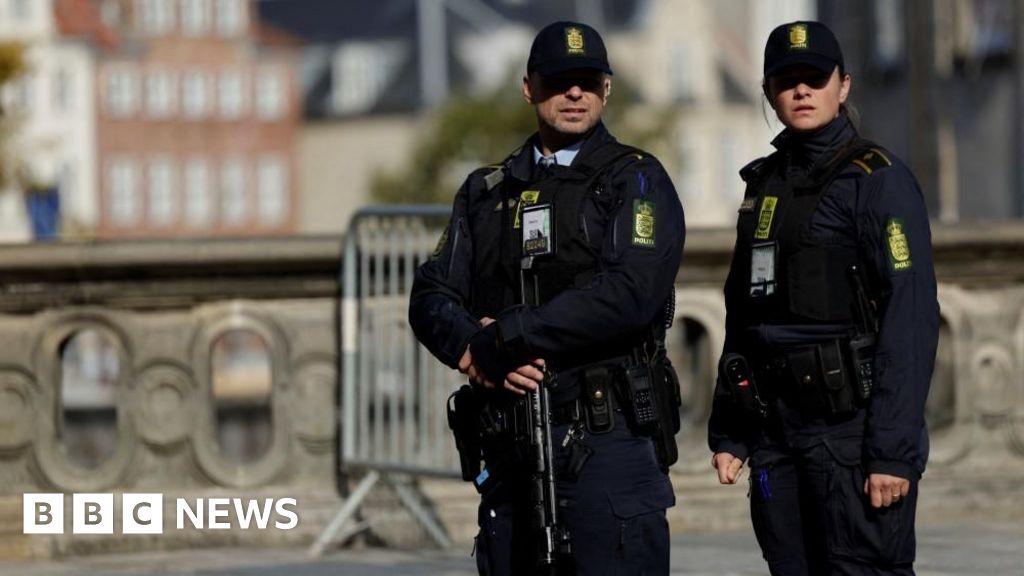
“We have to keep our skies safe,” stated NATO Secretary General Mark Rutte, speaking alongside European Commission chief ursula von der Leyen in Brussels. This urgency is driving discussions at the Copenhagen summit and beyond.
The “Drone Wall” Concept: A Response to Asymmetric Warfare
Von der Leyen initially proposed the idea of a “drone wall” last month. Rutte affirmed its timeliness, emphasizing the economic realities of modern conflict. He explained that deploying expensive missiles against low-cost drones is unsustainable.
The concept aims to create a layered defense system capable of detecting and neutralizing drone threats. Though, challenges remain regarding funding and establishing clear command and control structures. A senior EU diplomat acknowledged the need for “more agile” and “better tools” in response to Russia‘s actions.
beyond Drones: A Broader Eastern Flank Strategy
The response isn’t limited to aerial defense. The EU is also advancing “Eastern Flank watch,” a comprehensive initiative to fortify its eastern borders. This will encompass sea, air, and land defenses, specifically targeting Russia’s “shadow fleet” and countering hybrid warfare tactics.
Von der Leyen stressed the importance of collaboration with both NATO and Ukraine in implementing this strategy.
Investing in Future Defense Capabilities
EU leaders are reviewing a ”road map” designed to modernize European defense industries by the end of the decade. The goal is to produce cutting-edge military equipment and ensure Europe is “2030-ready” for the “battlefields of tomorrow.” Key elements of this plan include:
* Joint Procurement: Increasingly focusing on collaborative purchasing of military hardware.
* Financial Investment: Leveraging capital markets to raise up to €150 billion (£130 billion) for defense investment.The UK and Canada are expected to participate in this funding mechanism.
* Technological Advancement: Prioritizing research and development in areas like drone defense, robotics, and autonomous systems.
A Wake-Up Call & The Evolving Threat Landscape
Experts warn that the recent incidents are just the beginning. Ole Kvaerno, a former Danish brigadier general, described the drone activity over Denmark as a ”wake-up call.” He emphasized that the next target could be critical infrastructure, such as energy supplies.
Kvaerno highlighted the unpredictable nature of hybrid warfare, stating, “the nature of hybrid war is that it’s intended to take us by surprise. So we’re not done with operational shocks like this one.” This underscores the need for constant vigilance and adaptability.
Ukraine’s Situation & Internal EU Challenges
Discussions at the summit will also address continued financial support for Ukraine, more than three years into Russia’s full-scale invasion. Ukraine’s candidacy for EU membership is facing headwinds.
Hungary, a close ally of Russia, has expressed growing opposition.Budapest has also been accused of deploying reconnaissance drones into western Ukraine,a claim its Prime Minister Viktor Orban dismisses,asserting ukraine is not a truly sovereign nation due to its reliance on Western funding. This internal EU tension adds another layer of complexity to the broader security landscape.
Looking Ahead
The escalating tensions and recent airspace violations are forcing a fundamental reassessment of European security. The initiatives outlined above represent a significant step towards bolstering defenses,modernizing military capabilities,and preparing for the evolving threats of the 21st century. Continued collaboration between NATO, the EU, and Ukraine will be crucial in navigating this challenging habitat and ensuring the security of the continent.


