
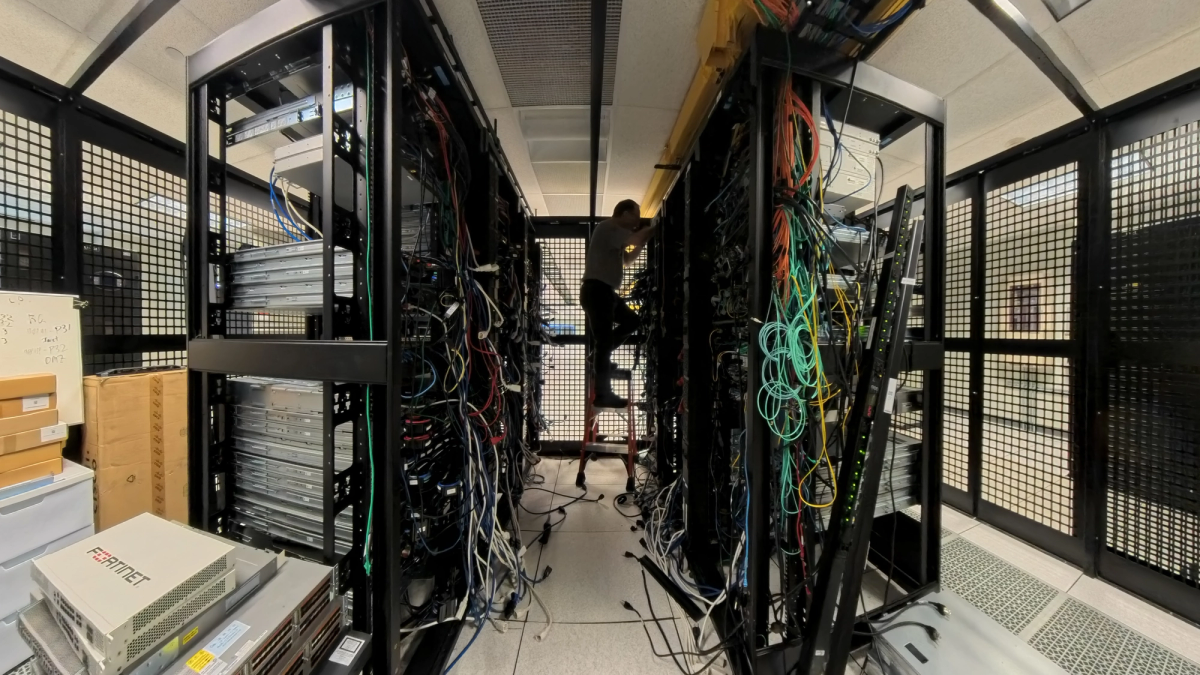
Data Center Decommissioning: A Real-World Look at Rack Removal
Decommissioning a data center – dismantling infrastructure that once powered critical operations – is a significant undertaking. It’s far more than just unplugging servers.successfully navigating this process requires careful planning and a pragmatic approach. Let’s walk through a recent project, showcasing the realities of a full rack decommissioning, from initial disconnection to final pile-up.
Phase 1: Decabling - Embracing Controlled Chaos
First things first: you need to disconnect everything. This means severing the connections that bind your hardware together. It’s a surprisingly liberating step.
* We started by systematically de-cabling all machines within the targeted racks.
* Anything with remaining value had already been salvaged, meaning meticulous organization wasn’t a priority.
* This allowed for a faster,more direct approach – efficiency was key.
You’ll quickly find yourself facing a growing mass of cables. Don’t worry about neatness at this stage; the goal is simply to disconnect. The resulting tangle was then consolidated into a central “cable pile.”
The RJ45 Dilemma: When Cutting is the Answer
Ever wrestled with a stubborn RJ45 connector? You know the frustration of a tab that refuses to release. During this decommissioning, we bypassed that struggle entirely.
Instead of troubleshooting,we simply cut the cables.It’s a drastic measure, but when time is of the essence and the hardware is destined for recycling, it’s a perfectly acceptable solution. This streamlined the process considerably.
The Growing Mountain of Discarded Hardware
As the decabling progressed, a substantial amount of material accumulated. We initially opted for a corner of the room as a temporary holding area. However, it quickly became apparent that this strategy had a potential drawback.
* We were rapidly approaching a point where our only exit was blocked.
* Rather than spreading out, we chose to build up.
The resulting pile of cables and components was… extraordinary, to say the least. It served as a visual reminder of the scale of the project.
Server & Device Consolidation: Piles on the Floor
With the racks decabled, the next step was removing the servers and network devices themselves.These were carefully (or, in certain specific cases, less carefully) extracted and placed on the floor.
* We ended up with seven distinct piles of equipment.
* Each pile represented a completed rack, a tangible milestone in the decommissioning process.
This method, while not aesthetically pleasing, proved to be efficient for staging and eventual removal.
A Blast From the Past: Before & After?
Looking at the final scene, it’s easy to get lost in a bit of nostalgia. Does this look familiar?
It’s a stark contrast to the initial setup, raising a question: is this a picture from when the infrastructure was first built, or from the moment it was decommissioned? It’s a testament to the cyclical nature of technology.
Ultimately, decommissioning a data center is a complex process. It requires a blend of technical expertise, logistical planning, and a willingness to embrace a little bit of controlled chaos.It’s a project that demands both precision and pragmatism, and a healthy dose of physical effort.





![Facial Recognition UK: Police Fight to Keep Flawed Tech | [Year] Update](https://i0.wp.com/www.techdirt.com/wp-content/themes/techdirt/assets/images/td-rect-logo-white.png?resize=330%2C220&ssl=1 "Facial Recognition UK: Police Fight to Keep Flawed Tech | [Year] Update")


