
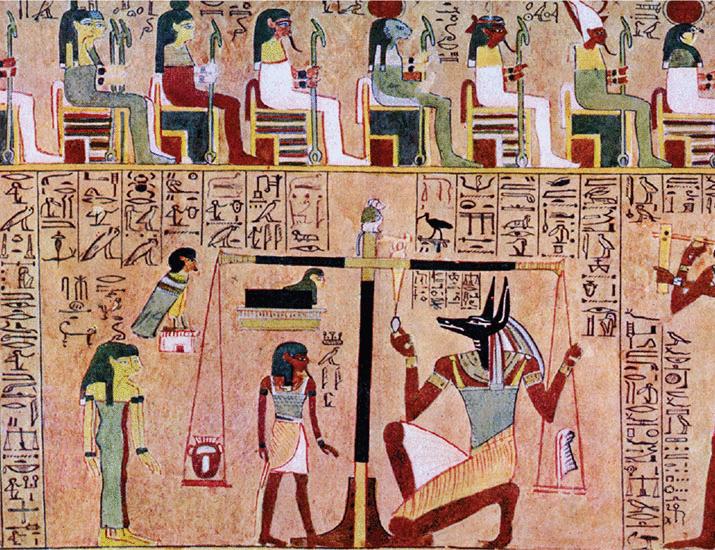
Navigating the Threshold: A Past Exploration of death and the Afterlife
The human interest with what lies beyond death is as old as consciousness itself. Throughout millennia, civilizations across the globe have constructed elaborate beliefs and rituals surrounding mortality, seeking to understand – and perhaps even control – the transition from life to whatever comes next. As of September 25, 2025, this enduring quest continues to shape cultures and inspire philosophical inquiry. This article delves into the diverse perspectives on death and the afterlife offered by ancient societies, examining their practices, beliefs, and the enduring questions they raise about the human condition. Understanding these historical viewpoints provides a unique lens through which to examine our own contemporary anxieties and hopes concerning the end of life.
Ancient Egyptian Concepts of Immortality
Perhaps no ancient civilization is more readily associated with death than ancient Egypt. Their elaborate funerary practices,meticulously documented in texts like the Book of the Dead,reveal a complex understanding of the afterlife as a journey fraught with peril. The egyptians believed that preserving the body was crucial for the survival of the ka and ba – aspects of the soul – in the next world.The preservation of the body was not merely a practical matter, but a theological necessity.
This belief spurred the growth of sophisticated mummification techniques, alongside the construction of monumental tombs filled with provisions for the deceased’s continued existence.
Recent archaeological discoveries, such as those at Saqqara in 2024, continue to reveal new insights into Egyptian burial rituals and beliefs. These findings demonstrate that the Egyptians weren’t solely focused on a glorious afterlife; they also grappled with concepts of judgment and moral accountability. The weighing of the heart against the feather of Ma’at, symbolizing truth and justice, highlights the importance of ethical conduct in securing a favorable outcome in the afterlife.
Mesopotamian Visions of the Underworld
In contrast to the relatively optimistic Egyptian view, Mesopotamian beliefs about the afterlife were generally bleak. The Sumerian and Babylonian underworld,known as Kur,was depicted as a dark,dusty realm inhabited by shadowy figures. Life after death, as described in texts like the Epic of Gilgamesh, was a grim existence, a mere echo of earthly life. Individuals descended to Kur after death, regardless of their deeds during life, and their fate was largely predetermined.
Though, even within this somber framework, there were attempts to mitigate the harshness of the afterlife. rituals and offerings were made to appease the gods of the underworld and ensure the deceased received sustenance. The development of elaborate burial practices, including the provision of grave goods, suggests a desire to provide some comfort to the departed, even in a desolate realm. A 2023 study published in the Journal of Near Eastern studies highlighted the increasing evidence of personal devotion and individualized funerary practices within Mesopotamian societies, suggesting a growing concern for the well-being of the deceased.
Greek and Roman Perspectives on Hades and Elysium
The ancient Greeks and Romans envisioned the afterlife as a multifaceted realm ruled by Hades (or Pluto in Roman mythology). Hades was not necessarily a place of punishment, but rather the destination for all souls after death. However, the fate of souls varied greatly.Heroes and virtuous individuals were believed to reside in Elysium, a paradise of eternal bliss, while those who had lived wicked lives were condemned to Tartarus, a place of torment.
The concept of judgment played a notable role in Greek and Roman beliefs about the afterlife. Mythological figures like Minos, Rhadamanthus, and Aeacus were tasked with judging the souls of the deceased and assigning them to their appropriate destinations. The importance of proper burial rites was also emphasized, as it was believed that a soul could not find peace without a proper funeral. The influence of these beliefs is still visible today in Western art, literature, and cultural traditions.
Beyond the Mediterranean: Afterlife Beliefs in Asia
The exploration of death and the afterlife wasn’t limited to the mediterranean world. Ancient Asian cultures developed equally rich and complex beliefs. In Hinduism and Buddhism,for example,the concept of reincarnation – samsara – is central. The cycle





