
Unraveling the Metabolic Roots of Alzheimer’s Disease: New Insights for Targeted Therapies
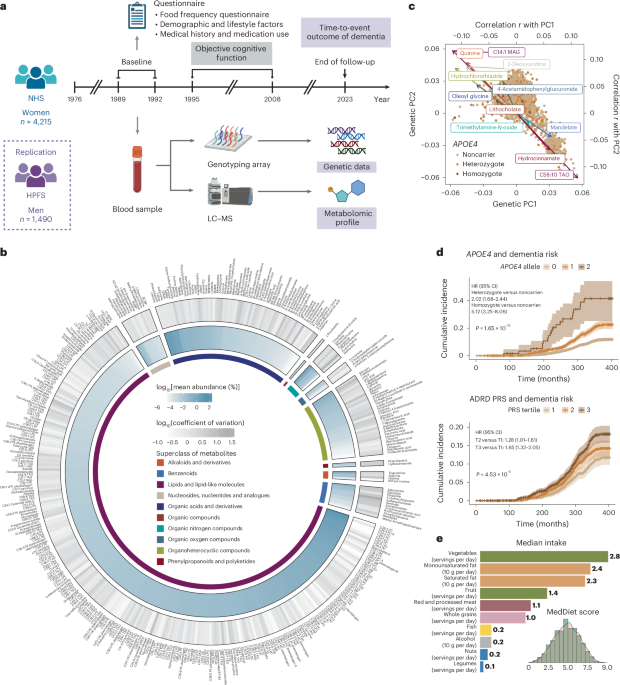
Alzheimer’s disease (AD) remains a significant global health challenge, and a deeper understanding of its underlying mechanisms is crucial for developing effective treatments. Recent research is increasingly pointing to disruptions in brain metabolism as a key driver of cognitive decline,offering promising new avenues for intervention. Our latest findings illuminate shared pathways involving several key compounds – 4-GBA, GABA, agmatine, and glutamine – that appear to play a critical role in AD pathology.
The Interplay of Neurotransmitters and Metabolic Pathways
Traditionally, AD research has focused on amyloid plaques and tau tangles. However, it’s becoming clear that metabolic dysfunction precedes and contributes to these hallmark pathologies. You might be interested to know that our work suggests a complex interplay between neurotransmitter systems and energy metabolism. Specifically, we’ve identified potential links between these systems and the progress of dementia.
Here’s a breakdown of key findings:
4-GBA, GABA, and Agmatine: These compounds appear to be involved in shared pathways contributing to AD. Further research is needed to fully elucidate their roles, but they represent potential therapeutic targets.
Glutamine’s Protective Role: Elevated levels of glutamine have been observed in the brains and cerebrospinal fluid of individuals with AD. Our research suggests this might potentially be a neuroprotective response, attempting to counteract the disease process.
Carotenoids and Cognitive Health: Naturally occurring carotenoids, like carotene diol, possess potent antioxidant properties. Studies show that increased carotenoid intake is associated with reduced cognitive decline, supporting their potential protective effects against AD.
ATP Metabolism and Oxidative Stress: Disruptions in ATP metabolism – the process by which cells generate energy – are linked to increased oxidative stress. This connection suggests a causal role for energy imbalances in the progression of cognitive decline.
The Power of N6-Carbamoylthreonyladenosine
interestingly, N6-carbamoylthreonyladenosine demonstrated a strong beneficial effect on cognitive function in our studies. multiple causal variants were identified, suggesting a complex mechanism of action. This compound warrants further investigation as a potential therapeutic agent.
Looking Ahead: Towards Targeted Therapies
These findings underscore the importance of considering metabolic factors in the development of AD. you can see how a holistic approach, addressing both the symptoms and the underlying metabolic dysfunction, might potentially be the most effective strategy. Future research will focus on:
Validating these pathways: Confirming the causal relationships between these metabolites and AD progression.
Identifying therapeutic targets: Pinpointing specific points within these pathways that can be modulated to restore metabolic balance.
* Developing targeted interventions: Creating therapies that address the root causes of AD, rather than simply managing the symptoms.
Ultimately, a deeper understanding of the metabolic landscape of AD will pave the way for more effective prevention and treatment strategies, offering hope for individuals at risk of or living with this devastating disease. We believe that by focusing on these metabolic pathways, we can unlock new possibilities for preserving cognitive health and improving the lives of those affected by Alzheimer’s.



![Gender-Affirming Care Rule: Risks & Concerns | [Year] Update](https://i0.wp.com/www.statnews.com/wp-content/uploads/2025/12/AP25211634727537-1024x576.jpg?resize=330%2C220&ssl=1 "Gender-Affirming Care Rule: Risks & Concerns | [Year] Update")


![Gender-Affirming Care Rule: Risks & Concerns | [Year] Update](https://i0.wp.com/www.statnews.com/wp-content/uploads/2025/12/AP25211634727537-1024x576.jpg?resize=150%2C100&ssl=1 "Gender-Affirming Care Rule: Risks & Concerns | [Year] Update")


