
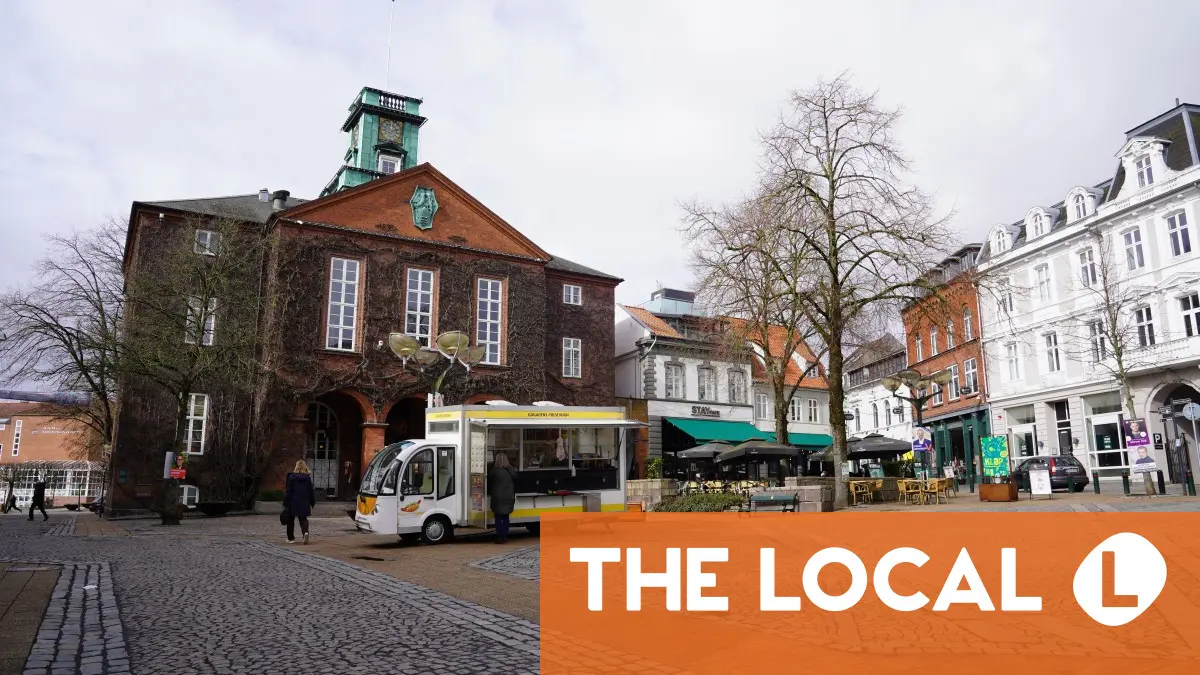
Kolding, Denmark – As Denmark prepares for a general election, the concerns of residents in towns like Kolding are mirroring the broader national debate. While Denmark consistently ranks among the world’s wealthiest nations, a sense of economic unease is palpable in many communities, alongside anxieties about integration, geopolitical instability, and the future of the country’s robust welfare system. The upcoming vote, expected to be closely contested, will likely hinge on which party can best address these interwoven challenges, from supporting small businesses to navigating a changing demographic landscape.
The economic pressures felt in Kolding, a city in southern Denmark, are a microcosm of the issues facing the country as a whole. Rising prices, particularly impacting small business owners, are a key concern. The war in Ukraine and broader global instability are contributing to increased costs for fuel and goods, squeezing both businesses and consumers. This economic strain is occurring against a backdrop of shifting political priorities and a tightening of immigration policies, creating a complex environment for voters as they head to the polls. Denmark’s economy, while generally strong, is not immune to these global pressures, and the ability of the next government to provide economic relief and stability will be crucial.
Prime Minister Mette Frederiksen’s Social Democrats have been in power since 2019, leading a left-right coalition. Still, recent polling data indicates a slight dip in support, with the party currently polling around 21 percent, six percentage points lower than their 2022 election result. According to Barron’s, negotiations following the election will be pivotal in determining the composition of the next governing coalition.
Economic Concerns and the Squeeze on Small Businesses
Per Hansen, a florist in Kolding who has operated his business since 2001, exemplifies the challenges faced by small business owners. He laments the increasing number of empty storefronts in the town, attributing it to the high cost of doing business and the reluctance of banks to provide loans for latest ventures. Hansen highlights the dual pressures of competition from online retailers and large shopping centers, coupled with rising operational costs. He notes that even the price of flowers is increasing, driven in part by higher fuel costs for transportation from the Netherlands.
These concerns extend beyond Kolding. Denmark’s national bank, Danmarks Nationalbank, has been closely monitoring inflation and its impact on the economy. Danmarks Nationalbank regularly publishes reports on economic trends and forecasts, providing insights into the challenges facing Danish businesses and consumers. The rising cost of living is a significant issue for voters, and parties are proposing various solutions, ranging from tax cuts to increased social welfare programs.
Integration and Shifting Demographics
Alongside economic anxieties, questions of integration and immigration are prominent in the Danish political discourse. Wahida Abdul Mutaleb, an Afghan mother of four who has lived in Kolding for 12 years, offers a more optimistic perspective. Despite facing financial challenges, she emphasizes her positive experiences integrating into the community, highlighting the support she received at the Volunteers’ House to learn Danish and navigate life in Denmark.
However, Mutaleb’s experience doesn’t necessarily reflect the broader national conversation. According to data from Statistics Denmark, nearly 400,000 residents were born outside the European Union. Statistics Denmark provides comprehensive demographic data on the country’s population, including information on immigration and integration. Denmark has a long history of tightening its immigration policies in recent decades, and this remains a contentious issue in the election campaign.
Jakob Ville, the mayor of Kolding, representing the liberal Venstre party, observes a disconnect between national political rhetoric and local realities. He notes that while some parties adopt hard-line stances on refugees and immigrants at the national level, these same politicians rarely express such views within the municipal council. He suggests that national politicians often appeal to emotions rather than focusing on pragmatic solutions. This observation underscores the complex interplay between national narratives and local experiences.
Pragmatism at the Local Level
Mayor Ville emphasizes the pragmatic approach of Kolding residents, prioritizing access to essential services, such as elderly care, regardless of the caregiver’s linguistic background. “What’s important is that when my mother and father go into a nursing home, they will be able to get the services they need. And I don’t care, and my mother and father don’t care, whether it’s someone who speaks Danish,” he stated. This sentiment reflects a focus on practical concerns over ideological debates. However, this local pragmatism often clashes with the more polarized rhetoric prevalent in national politics.
The Social Democrats, while advocating for facilitated returns and expulsions, are facing challenges from the far-right Danish People’s Party, which is pushing for “re-migration,” particularly targeting individuals of Muslim faith. This escalating rhetoric is creating a sense of insecurity among some migrant communities, as highlighted by Margit Vestbjerg, the head of the Volunteers’ House. She notes that Syrian migrants, in particular, are increasingly concerned about their right to remain in Denmark, with growing discussions about temporary residency and potential forced returns.
Geopolitical Anxieties and a Sense of Uncertainty
Beyond economic and immigration concerns, a broader sense of anxiety is permeating Danish society, fueled by geopolitical instability. Michael Jensen, a lifelong Social Democratic voter, expresses his disillusionment with the country’s integration policies, believing they have failed to deliver positive outcomes. This sentiment reflects a growing dissatisfaction with the status quo and a desire for more effective solutions.
Mayor Ville attributes these anxieties to wider global events, including the ongoing war in Ukraine and even past controversies like former US President Donald Trump’s expressed interest in acquiring Greenland. He recounts that during the recent municipal elections, residents began asking about the availability of shelters and evacuation plans, a question he had never encountered before. This illustrates a heightened sense of vulnerability and a growing awareness of potential external threats.
The combination of economic pressures, immigration debates, and geopolitical anxieties is creating a complex and challenging environment for Danish voters. The upcoming election will be a crucial test of the country’s political system and its ability to address these interwoven issues. The outcome will shape Denmark’s future trajectory and determine the priorities of the next government.
Key Takeaways
- Economic Concerns: Rising prices and challenges for small businesses are major voter concerns.
- Immigration Debate: Denmark’s immigration policies remain a contentious issue, with parties offering differing approaches.
- Local vs. National: A disconnect exists between pragmatic local attitudes and polarized national rhetoric.
- Geopolitical Anxiety: Global events, like the war in Ukraine, are contributing to a sense of uncertainty.
- Shifting Political Landscape: The Social Democrats are facing increased competition, and the election outcome is uncertain.
As Denmark prepares to vote, the focus will be on which party can offer the most credible solutions to these pressing challenges. The next few weeks will be critical in shaping the country’s political future. Stay informed about the election results and subsequent government formation through official sources such as The Danish Electoral Commission. We encourage you to share your thoughts and perspectives on these important issues in the comments below.