
Denmark, long lauded for its robust economy and high quality of life, is facing a wave of job cuts across several major industries. While the country continues to enjoy historically low unemployment rates, a series of announcements from prominent Danish companies signal a period of restructuring and economic recalibration. From banking and shipping to pharmaceuticals and retail, thousands of positions are slated to be eliminated or significantly altered in the coming months, raising concerns about the future of the Danish labor market. This trend reflects broader global economic pressures, including increased competition, shifting market dynamics, and the need for greater structural efficiency.
The job cuts are not indicative of a collapsing economy, but rather a strategic repositioning by companies navigating a changing landscape. Several firms cite the need to streamline operations, invest in new technologies, and adapt to evolving consumer demands as key drivers behind these decisions. The mergers and acquisitions that have reshaped parts of the Danish financial sector are also contributing to redundancies, as overlapping roles are consolidated. Understanding the scope and impact of these changes is crucial for both workers and policymakers as Denmark prepares for a period of economic transition.
Banking Sector Restructuring Leads the Way
The financial sector is currently experiencing the most significant upheaval. Nordea, a major player in the Danish banking landscape, announced in March 2026 plans to reduce its workforce by approximately 1,500 positions over the next two years. According to The Local Denmark, this move is part of a broader 2030 strategy aimed at achieving 600 million euros in cost savings through restructuring. The bank has not yet specified which roles will be affected, leaving employees in a state of uncertainty.
Further compounding the situation, AL Sydbank, formed through the 2025 merger of Sydbank, Arbejdernes Landsbank, and Vestjysk Bank, is implementing a new round of job cuts. 84 staff members will be let go, with an additional 50 facing “significant changes to their terms” of employment, as reported on March 17th. CEO Mark Luscombe acknowledged the difficulty of the process, stating, “This is the hard part of the process but we are striving to treat all our staff decently and help them on their way.” The changes are directly linked to the integration following the October 2025 merger. Nykredit, another Danish bank, has also recently undergone restructuring following its merger with Spar Nord, resulting in 143 job losses and the offering of alternative roles to 144 employees.
Shipping Giant Maersk Announces Significant Reductions
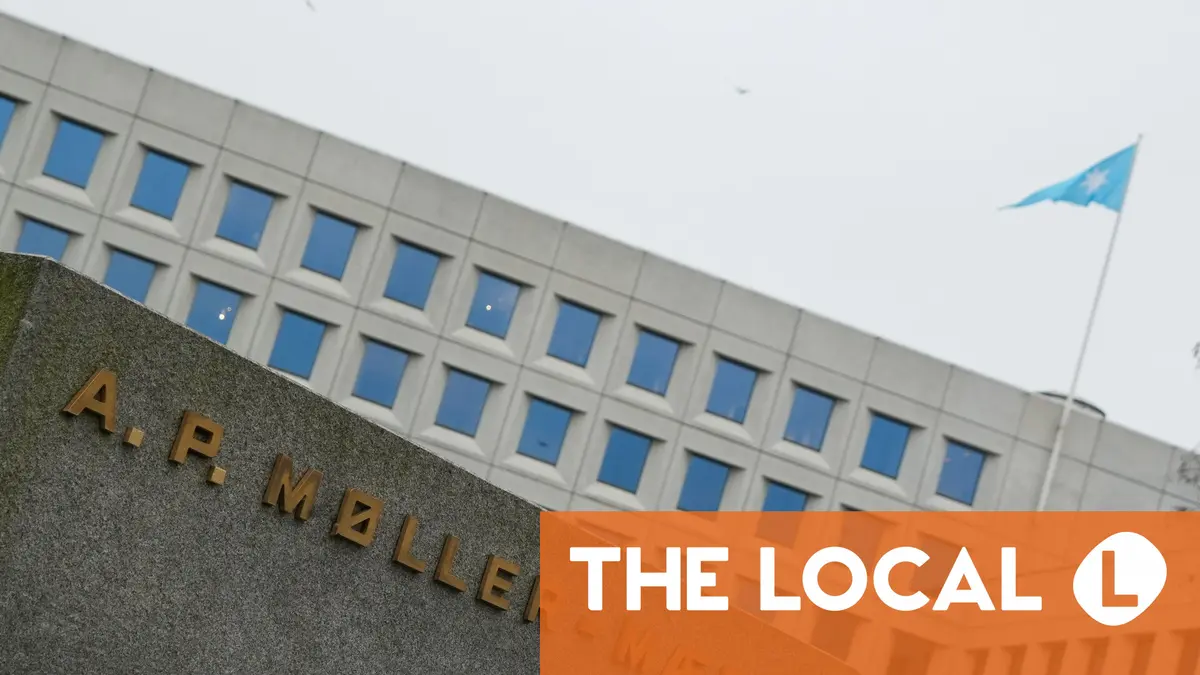
The impact extends beyond the financial sector. Maersk, the global shipping and logistics giant, announced substantial job reductions in early February, sending shockwaves through its Danish workforce. Up to 1,000 office-based positions could be eliminated, representing a significant portion of the company’s 6,000 administrative roles at the start of the year. These redundancies are part of a broader effort to save approximately 180 million dollars annually. Maersk CEO Vincent Clerc explained to TV2 in February that the company is “heading into tougher times” and must take proactive measures to secure its future. Despite these cuts, Maersk reported a net profit of 2.9 billion dollars (approximately 18.5 billion kroner) in 2025.
Pharmaceuticals and Retail Also Affected
The pharmaceutical industry is also experiencing a period of adjustment. Novo Nordisk, the maker of Ozempic and Wegovy, announced in September 2025 plans to cut 11 percent of its global workforce, including 5,000 jobs in Denmark. As reported by Bloomberg, this decision is driven by increasing competition in the anti-obesity treatment market. By the beginning of February, approximately 4,600 Danish workers had already left the company.
Even the retail sector is not immune to these trends. Bestseller, a major Danish clothing and retail company, confirmed in January that 135 positions would be eliminated, representing around 0.5 percent of its total workforce. Head of HR Louise Sylvest explained that the cuts were necessary to adapt to the current economic realities. Similarly, Vestas, a wind turbine manufacturer, reduced its staff at its Ringkøbing factory by 70 positions, while Ørsted, an energy company, has already let go of 191 Danish employees as part of a larger plan to cut 500 jobs globally in the last quarter of 2025 and 2,000 by the end of 2026. Sjællandske Nyheder reported on these cuts in November.
Key Takeaways
- Widespread Impact: Job cuts are affecting multiple sectors of the Danish economy, including banking, shipping, pharmaceuticals, retail, and energy.
- Economic Restructuring: The cuts are largely driven by companies adapting to changing market conditions, increased competition, and the need for greater efficiency.
- Merger-Related Redundancies: Mergers and acquisitions within the financial sector are contributing to job losses as companies consolidate roles.
- Global Pressures: The situation in Denmark reflects broader global economic trends and challenges.
The Danish government has not yet issued a comprehensive response to these developments, but the situation is likely to be a key focus of economic policy in the coming months. Further announcements from other companies are anticipated, and the full extent of the impact on the Danish labor market remains to be seen. The coming months will be critical in determining how Denmark navigates this period of economic adjustment and supports its workforce through these challenging times. The next major update is expected in late April, when Nordea is scheduled to release further details regarding the implementation of its restructuring plan.
What are your thoughts on these job cuts? Share your perspectives and experiences in the comments below. Please also share this article with your network to raise awareness about the evolving economic landscape in Denmark.