
The dodgers’ Dynasty: A Warning Sign for Baseball’s Future
The Los Angeles Dodgers stand on the precipice of another World Series appearance, having steamrolled through the National League playoffs with a dominant 8-1 record. But their success isn’t just a testament to extraordinary talent; it’s a stark illustration of the growing imbalance in Major League Baseball, adn a potential catalyst for the labor unrest looming on the horizon. Next Friday, the Mariners or Blue Jays face a monumental task: dethroning a team seemingly built to dominate, and potentially delaying a future many fear – a hard salary cap and a drastically altered game.
The Dodgers’ NLCS victory over the Milwaukee Brewers, capped by a 5-1 win Friday, wasn’t just a series win; it was a statement. Shohei Ohtani‘s incredible performance - six-plus scoreless innings and three home runs in the clincher – was the headline, but it underscored a deeper truth. even when Ohtani, arguably the most unique player in baseball history, wasn’t performing at his otherworldly standard this month (.158 average with limited power), the Dodgers were poised for success. This speaks to a roster depth and pitching prowess rarely seen in the modern game.
A Rotation forged in Resilience
What’s truly setting the Dodgers apart is their pitching. A throwback rotation,boasting a microscopic 1.64 ERA and an remarkable 83/21 strikeout-to-walk ratio over 66 playoff innings,has been the engine of their postseason run. Tyler Glasnow,Blake Snell,and Yoshinobu Yamamoto were particularly devastating in the NLCS,allowing just two runs across 22 2/3 innings while racking up 25 strikeouts and only four walks.
This isn’t a staff built on established, injury-free superstars.Yamamoto is the only starter with over 100 regular season innings pitched. ohtani is still working his way back from a second Tommy John surgery, while Glasnow and Snell both arrived with recent arm injury histories. The emergence of rookie closer Roki Sasaki,recovering from a shoulder injury himself,further highlights the Dodgers’ ability to overcome adversity and maximize talent.They’ve expertly navigated the challenges of player health, turning potential weaknesses into strengths.
A System Built on Others’ Missteps
Though, the Dodgers’ success isn’t solely about shrewd player development and medical management. It’s also a direct result of decisions made – or not made – by other ownership groups. The Dodgers haven’t simply built a great team; they’ve capitalized on opportunities created by others’ failures.
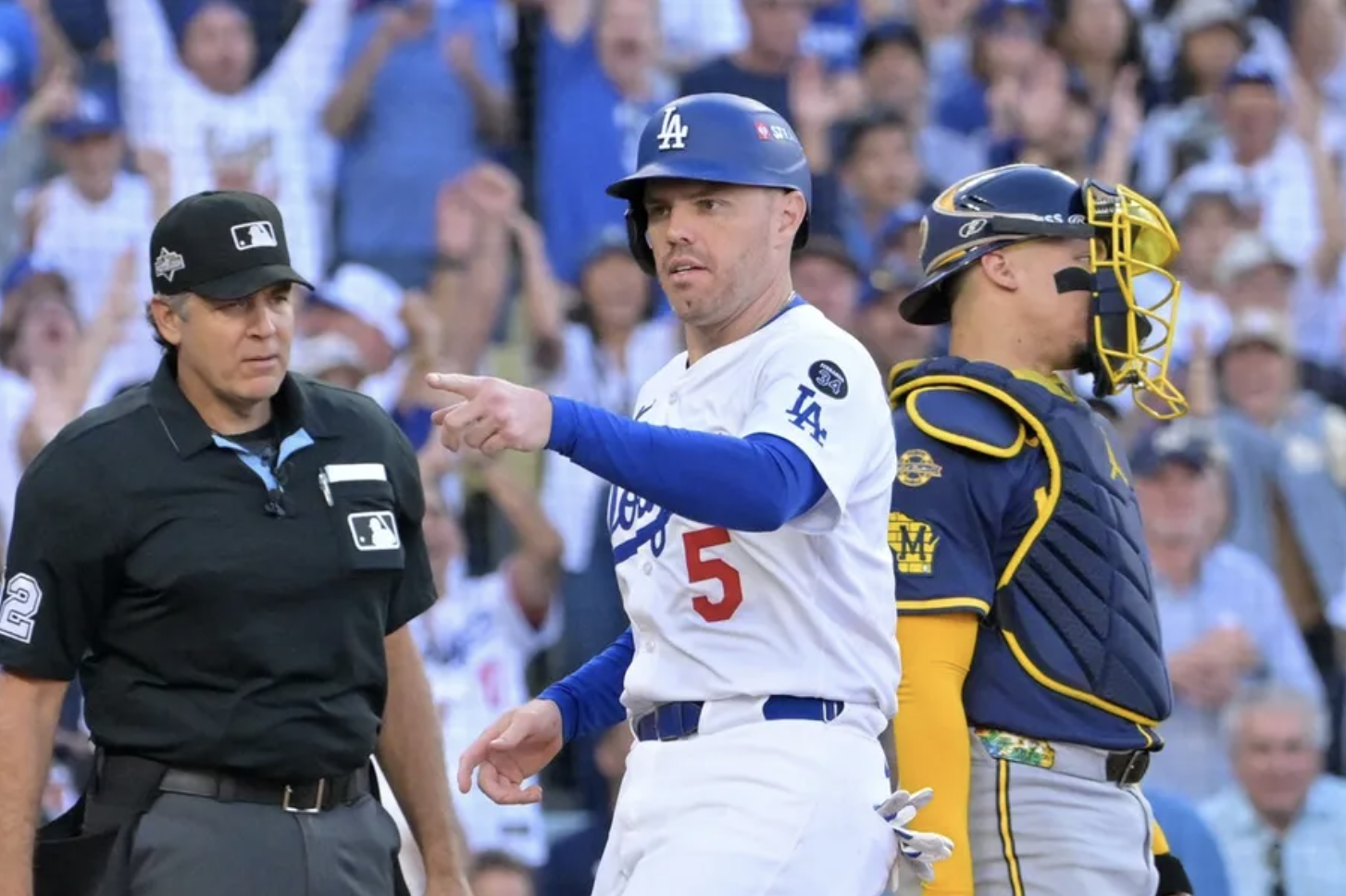
Consider Mookie Betts, a cornerstone of the Dodgers’ lineup. He was traded by the Boston Red sox’s John Henry, who prioritized personal ventures over sustained competitive excellence. Similarly, Freddie Freeman, a World Series champion with the Atlanta Braves, wasn’t re-signed despite his clear value, a decision that allowed the Dodgers to add another elite bat to their already potent lineup. And, of course, there’s the case of Shohei Ohtani, whose early career was mismanaged by the Los Angeles Angels, ultimately leading him to the Dodgers.
Thes aren’t isolated incidents. They represent a pattern: teams failing to fully commit to winning, allowing the Dodgers to acquire proven talent and build a dynasty. The Dodgers are simply maximizing the resources available to them, operating within the rules of a system that increasingly favors financial power.
The Looming Threat of a Work Stoppage
This brings us to the larger issue: the future of baseball. The Dodgers’ dominance is occurring against the backdrop of escalating tensions between owners and players. Many owners, emboldened by the team’s success and the league’s growing revenue, are reportedly pushing for a hard salary cap and revenue sharing, measures that players rightly fear will stifle competition and limit their earning potential.
The current Collective Bargaining Agreement expires in 2026, and the prospect of a work stoppage looms large. The Dodgers’ situation is fueling this conflict. Owners see a model for success – spend aggressively, build a deep roster, and win – and want to implement rules that make it harder for other teams to compete in the same way.
bud Selig and Rob Manfred, the past and present commissioners, have consistently prioritized the financial interests of owners, ofen at the expense of the game’s integrity.The continual expansion of the playoffs, such as, has diluted the importance of the regular season, rewarding mediocrity and diminishing the value of consistent excellence.




