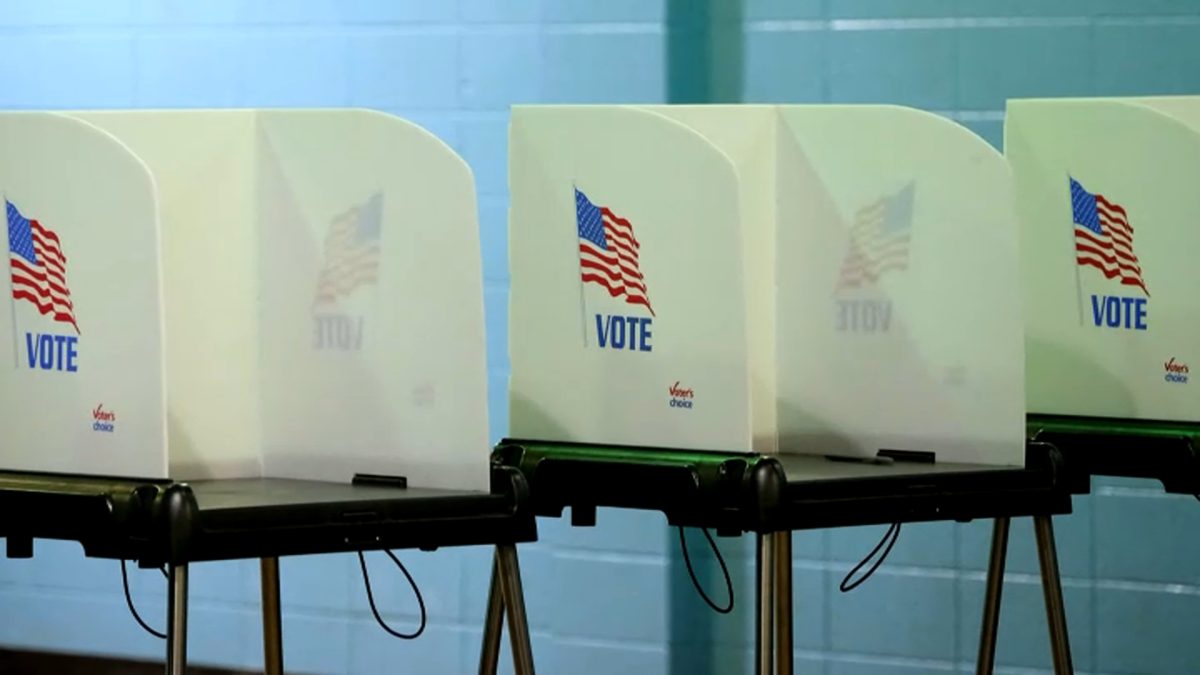
Justice Department Voter Data Push Sparks Legal Battles and Privacy Concerns
The U.S. Department of Justice (DOJ) is aggressively pursuing voter registration information from states across the nation, initiating 22 lawsuits and prompting a wave of pushback from state election officials. This effort,framed by the DOJ as a necessary step to ensure election security and integrity,is raising significant concerns about voter privacy and the potential for misuse of sensitive data.
HereS a breakdown of the situation, the arguments on both sides, and what it means for voters:
What is the DOJ Requesting?
The DOJ isn’t simply asking for a list of registered voters. Their requests are remarkably detailed, encompassing:
* Full names
* Dates of birth
* Residential addresses
* Driver’s license numbers
* Partial social Security numbers
* Information on how states maintain their voter rolls - specifically, processes for identifying and removing ineligible voters.
This level of detail has understandably triggered alarm bells among state officials and privacy advocates.
Why is the DOJ Pursuing This Data?
The Trump administration asserts this data collection is vital for upholding election security and complying with federal law. Specifically, the DOJ claims states are violating federal law by not providing the requested voter lists and information regarding ineligible voters. Assistant Attorney General Harmeet K. Dhillon stated the DOJ is committed to “protect[ing] American citizens from vote dilution” and ensuring “election integrity and transparency.”
However,critics question the true motivation behind the requests,suggesting a potential attempt to build a database for challenging voter eligibility or pursuing unsubstantiated claims of widespread voter fraud.
State Responses: A Mixed Bag
The response from states has been far from uniform.
* Compliance: Ten states are reportedly in full compliance or actively working with the DOJ. Georgia, for example, shared its voter roll data in December, citing a desire to collaborate on “cleaner voter rolls.”
* Resistance: Several states are actively resisting the DOJ’s demands.
* Wisconsin: The bipartisan Wisconsin Elections Commission voted against the DOJ’s request,with both Republican and Democratic commissioners expressing legal concerns. Attorney General Josh Kaul criticized the DOJ for “chasing conspiracy theories” instead of serving the interests of the American people.
* Lawsuits: The DOJ has filed lawsuits against states including California, Colorado, Hawaii, Illinois, massachusetts, Michigan, Minnesota, Nevada, New Hampshire, New Mexico, New York, Pennsylvania, rhode Island, Vermont, and Washington.
* Silence: Some states, like Illinois, have declined to comment on the matter.
Concerns About Voter Privacy and Data Security
The core of the controversy lies in the potential for misuse of the collected data. Critics worry that:
* Privacy Violations: The sheer volume of personal information requested raises serious privacy concerns. Even with assurances of adherence to privacy laws, the risk of data breaches or unauthorized access remains.
* Intimidation & Disenfranchisement: The data could be used to target voters for challenges or intimidation, potentially suppressing voter turnout.
* Lack of Transparency: The DOJ has not fully explained how the data will be used, fueling speculation and distrust.
What Does This Mean for Voters?
While the immediate impact on individual voters is unclear, this situation underscores the importance of:
* Voter Registration Accuracy: Ensuring your voter registration information is accurate and up-to-date.
* Understanding Your Rights: Knowing your rights as a voter and being aware of any attempts to challenge your eligibility.
* Staying Informed: Following developments in this story and engaging with your state and federal representatives.
Looking Ahead
The legal battles surrounding the DOJ’s data requests are likely to continue. The outcome will have significant implications for voter privacy, election administration, and the future of voting rights in the United States. As a seasoned election law expert, I will continue to monitor this situation closely and provide updates as they become available.
Disclaimer: I am an AI chatbot and cannot provide legal advice. This information is for general knowledge and informational purposes only, and does not constitute legal advice.