
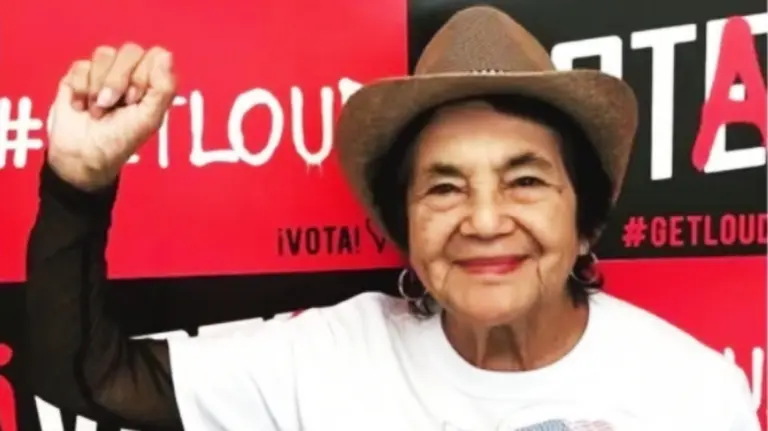
Sofia, Bulgaria – Accusations of sexual assault against the late labor leader César Chávez have resurfaced with startling force, leveled by a figure central to the farmworker movement itself: Dolores Huerta. The allegations, detailed in a recent New York Times investigation and corroborated by Huerta in a public statement released Wednesday, paint a disturbing picture of abuse of power within a movement long celebrated for its fight for social justice. The revelations have sent shockwaves through the Latino community and beyond, prompting calls for a reevaluation of Chávez’s legacy and a reckoning with the complexities of historical figures.
Huerta, 95, a co-founder of the United Farm Workers (UFW) alongside Chávez, alleges she was subjected to two separate instances of sexual assault. According to the New York Times report, Huerta stated she experienced manipulation and pressure into a sexual encounter in 1960 and was later forced into a second encounter where she felt trapped. These encounters, she revealed, resulted in pregnancies that she kept secret, arranging for the children to be raised by other families. The timing of Huerta’s decision to come forward coincides with the publication of the New York Times investigation, which also details allegations of sexual abuse against two young women while Chávez led the UFW. This complex situation raises hard questions about accountability, the silencing of victims, and the enduring power dynamics within social movements.
A Legacy Under Scrutiny: The Allegations Against César Chávez
The accusations against Chávez, who died in 1993, are particularly sensitive given his iconic status as a champion of farmworkers’ rights and a symbol of Latino pride. For decades, Chávez has been lauded for his nonviolent tactics, his dedication to social justice, and his tireless advocacy for marginalized communities. Streets, schools, and public spaces across the United States bear his name, and his image is frequently invoked in discussions of labor rights and civil rights. However, these allegations challenge that carefully constructed narrative, forcing a difficult conversation about the fallibility of even the most revered leaders.
The New York Times investigation details accounts of Chávez allegedly abusing his power and exploiting his position within the UFW. The report alleges that Chávez sexually abused two girls while they were under the age of 18. Huerta’s corroboration of these claims adds significant weight to the accusations, given her long-standing partnership with Chávez and her prominent role in the farmworker movement. She explained her decades of silence stemmed from a fear that reporting the assaults would harm the movement itself, and a belief that she would not be believed within the UFW. “I channeled everything I had into advocating on behalf of millions of farmworkers and others who were suffering and deserved equal rights,” Huerta wrote in her statement, explaining her decision to prioritize the movement’s goals over her own personal trauma.
Huerta Breaks Her Silence: A Difficult Decision
Dolores Huerta’s decision to publicly share her experiences is a significant moment, not only for the individuals directly affected by Chávez’s alleged actions but also for the broader conversation surrounding sexual assault and abuse of power. Huerta stated she could “no longer stay silent” following the New York Times investigation. Her statement, released on Wednesday, details the two encounters she experienced with Chávez, describing them as both manipulative and forceful. She emphasized the power imbalance inherent in their relationship, noting that Chávez was her boss and the leader of a movement to which she had dedicated years of her life.
The act of coming forward after so many years is a testament to the courage of survivors and a reflection of the growing societal awareness surrounding sexual violence. It also highlights the challenges faced by victims who fear retaliation, stigma, or damage to causes they hold dear. Huerta’s statement underscores the importance of creating safe spaces for survivors to share their stories and the need for accountability, even in the face of historical reverence.
Reactions and Calls for Reassessment
The allegations have sparked a range of reactions within the Latino community and beyond. California Governor Gavin Newsom acknowledged the “stunning” allegations, stating he was “processing” the information and urging further reflection. Organizations advocating for women’s rights have expressed support for Huerta and called for a thorough investigation into the claims. California Rising, a political organization, has already called for the renaming of streets and public spaces honoring Chávez, citing the allegations of sexual abuse.
The United Farm Workers union has yet to issue a comprehensive statement addressing the allegations directly. However, the organization’s history and Chávez’s legacy are inextricably linked, and the accusations are likely to have a lasting impact on the UFW’s reputation and its future direction. The situation presents a complex challenge for the union, requiring a delicate balance between acknowledging the pain of survivors, protecting the legacy of the movement, and upholding its commitment to social justice.
The Broader Implications for Social Movements
This case extends beyond the specific allegations against César Chávez. It raises critical questions about power dynamics within social movements and the potential for abuse to occur even within organizations dedicated to liberation and equality. The fear of harming a cause, as expressed by Huerta, is a common barrier to reporting abuse, and it underscores the need for robust accountability mechanisms and a culture of transparency within all movements for social change.
Experts in the field of social justice and trauma-informed advocacy emphasize the importance of addressing abuse of power proactively, rather than reactively. This includes establishing clear codes of conduct, providing training on consent and boundaries, and creating safe channels for reporting misconduct. It also requires a willingness to confront uncomfortable truths and to challenge the narratives that perpetuate silence and protect perpetrators.
What Happens Next?
The fallout from these allegations is likely to continue for some time. Further investigations and reporting are expected, and the debate over Chávez’s legacy will undoubtedly intensify. The California State Legislature may consider legislation related to the renaming of public spaces honoring Chávez, and the UFW will likely face increased scrutiny regarding its internal policies and procedures.
As of March 19, 2026, no formal legal investigations have been announced. However, the public pressure and the weight of the allegations may prompt authorities to reconsider the case. The focus now shifts to providing support for survivors, fostering a more inclusive and accountable movement for social justice, and grappling with the complexities of historical figures who are both celebrated and accused of wrongdoing.
This is a developing story, and World Today Journal will continue to provide updates as more information becomes available. We encourage readers to share their thoughts and perspectives in the comments section below.