
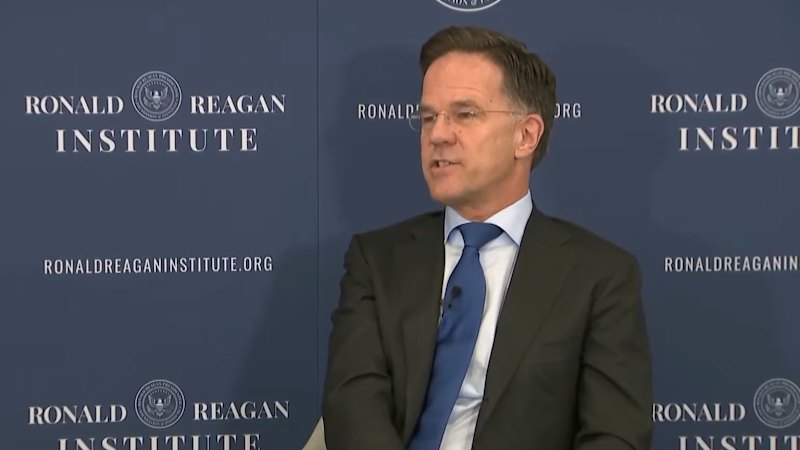
Tensions between the United States and the North Atlantic Treaty Organization (NATO) have reached a critical juncture following a private meeting between U.S. President Donald Trump and Secretary General Mark Rutte. The encounter, which took place on Wednesday at the White House, failed to bridge a widening transatlantic rift over the alliance’s role in the ongoing conflict with Iran.
Following the talks, NATO chief says Trump was ‘clearly disappointed’ with the alliance’s stance, specifically regarding its perceived lack of support for the U.S. During the Iran war. The meeting, which lasted over two hours, was intended to convince the U.S. President that maintaining membership in the 32-member military alliance remains in the national interest of the United States.
Despite the diplomatic effort, President Trump utilized Truth Social shortly after the meeting to launch a broadside against the alliance, stating, “NATO WASN’T THERE WHEN WE NEEDED THEM, AND THEY WON’T BE THERE IF WE NEED THEM AGAIN.” This public condemnation underscores a deepening frustration with member nations that the President believes failed to provide sufficient assistance during Operation Epic Fury.
The friction is further exacerbated by a recent disagreement regarding the Strait of Hormuz. Trump had called for NATO countries to facilitate reopen the strategic waterway to mitigate rising global oil prices, a request that several member nations resisted. This deadlock led the President to openly entertain the possibility of an American withdrawal from the alliance, a move he previously described as “beyond reconsideration” when asked about rethinking membership.
A ‘Frank and Open’ Exchange Amidst Deep Misgivings
Secretary General Mark Rutte characterized the bilateral meeting as “very frank,” “very open,” and “blunt.” While the White House did not disclose the specific details of the conversation, Rutte told CNN that Trump voiced significant disappointment. In an effort to contain the fallout, Rutte reminded the President that a large majority of European nations have provided essential support through basing, logistics, and overflights.

Rutte also highlighted the widespread European support for the degradation of Iran’s nuclear and ballistic-missile capabilities, acknowledging that only the U.S. Possessed the capability to execute those specific operations at that time. However, these reminders appear to have done little to soften the President’s stance.
The level of friction was further evidenced by the President’s comments on Truth Social, where he not only attacked NATO but also referenced a previous grievance regarding Greenland. Trump added, “REMEMBER GREENLAND, THAT BIG, POORLY RUN, PIECE OF ICE!!!” referencing his aborted attempt to claim control of the self-ruling Danish territory in the Arctic as part of his broader frustrations.
The ‘Test’ of the Iran War and Operation Epic Fury
The core of the current dispute centers on the U.S. Perception that its allies abandoned it during a period of high-stakes conflict. White House Press Secretary Karoline Leavitt reinforced this position on Wednesday, quoting the President directly when she stated that NATO was “tested and they failed.”
According to Leavitt, the President believes that NATO countries “turned their backs on the American people,” who provide the funding that supports the defense of those very nations. This sentiment is tied specifically to the events of Operation Epic Fury, where Trump believes the level of support from the 32-member alliance was insufficient.
The geopolitical implications of this rift are significant. NATO is designed as a collective defense alliance, but the current dispute highlights a fundamental disagreement over the scope of that defense, particularly when the U.S. Seeks alliance support for conflicts outside the traditional North Atlantic theater, such as the war in Iran.
Key Points of Contention
- Operation Epic Fury: Trump maintains that member countries did not provide enough help before or during this operation.
- The Strait of Hormuz: NATO members resisted U.S. Calls to help reopen the strait to stabilize global oil prices.
- Financial Contributions: The White House argues that the U.S. Disproportionately funds the defense of nations that refuse to support U.S. Military objectives.
- Strategic Autonomy: The rift underscores a clash between the U.S. Desire for alliance-wide support in the Middle East and the reluctance of some European members to engage in the Iran war.
What This Means for the Future of the Alliance
The possibility of a U.S. Withdrawal from NATO is no longer a mere rhetorical threat but a scenario being actively considered. With the President stating that the alliance “failed” its test, the stability of the trans-Atlantic security architecture is under severe pressure.
For the 31 other member states, the risk is twofold: the loss of the U.S. Security umbrella and the potential for a fragmented European defense strategy. Rutte’s visit to Washington was a strategic attempt to stabilize this relationship, yet the aftermath suggests that the “frank” nature of the talks did not result in a diplomatic breakthrough.
The ongoing conflict with Iran continues to serve as the primary catalyst for this instability. As long as the U.S. Views the alliance’s neutrality or limited involvement in the region as a betrayal, the threat of withdrawal remains a central element of Trump’s foreign policy approach.
For those following the official status of the alliance, updates can be found through official NATO communications and White House press briefings. The next critical checkpoint will be the continued diplomatic efforts by the Secretary General to maintain alliance cohesion in the face of ongoing U.S. Criticism.
We invite our readers to share their perspectives on the future of the trans-Atlantic alliance in the comments below.