
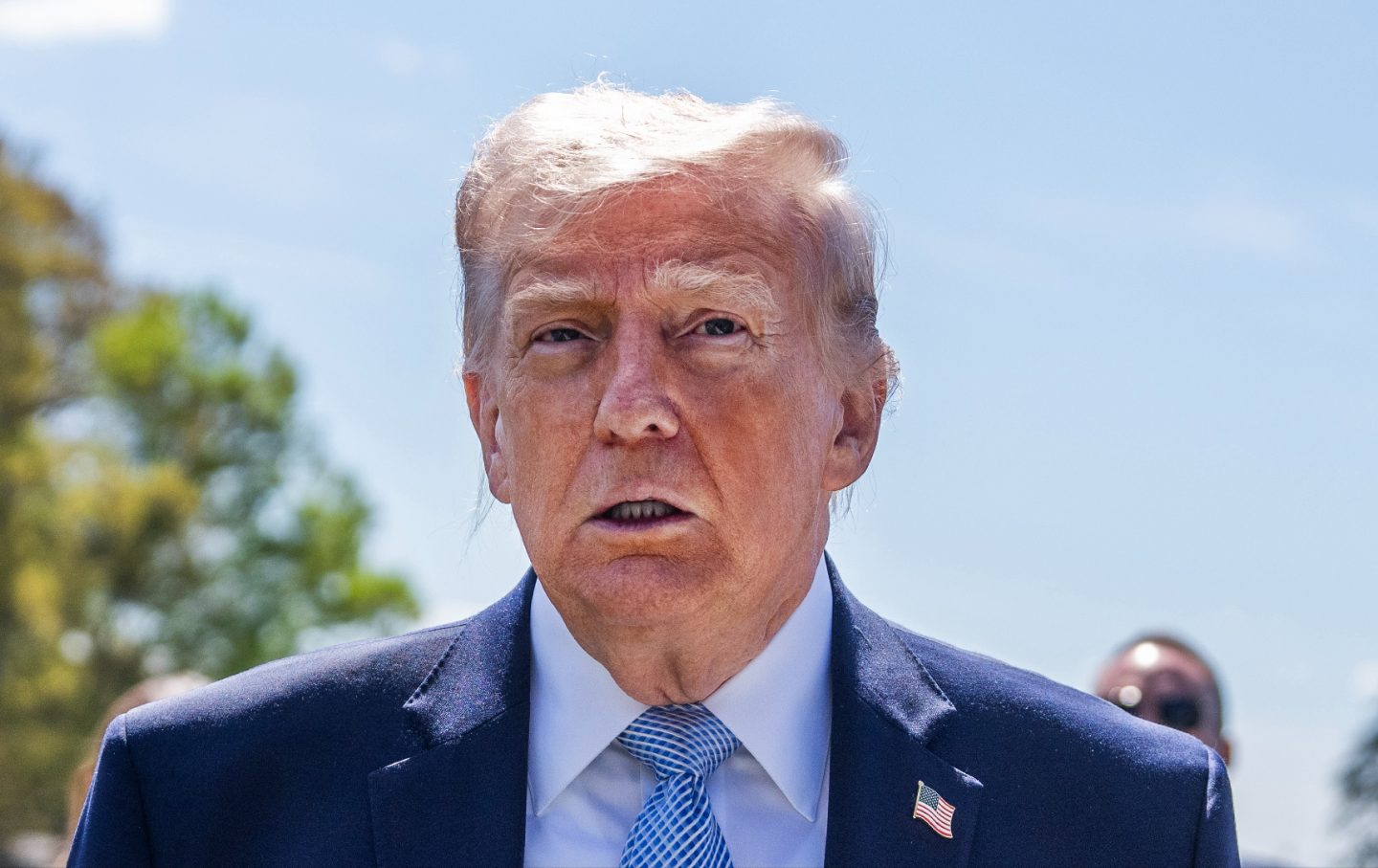
The United States and Iran have stepped back from the precipice of a major military confrontation, agreeing to a temporary two-week ceasefire that suspends some of the most aggressive rhetoric seen in decades. The agreement comes after a period of extreme tension that threatened to destabilize the Middle East and trigger a global security crisis.
The diplomatic pause follows a series of high-stakes warnings from the U.S. Administration, including a direct threat by President Donald Trump to “annihilate Iran.” This volatile atmosphere had raised alarms among international observers, with the world watching to see if a diplomatic solution could be reached before the situation escalated into open warfare.
The decision to halt hostilities is a fragile one, designed to create a window for negotiation and prevent a catastrophic miscalculation. For a global audience, the U.S. And Iran ceasefire represents a critical, albeit brief, reprieve from the threat of large-scale conflict.
A Fragile Peace: The Terms of the Ceasefire
The current agreement establishes a strict 14-day window during which both nations have agreed to suspend offensive actions. According to reports, Iran’s Supreme National Security Council has officially accepted the two-week ceasefire in the war, signaling a willingness to avoid immediate escalation.
This suspension is specifically aimed at neutralizing the immediate threat of U.S. Military intervention. The agreement effectively puts a hold on President Trump’s previously stated threat to annihilate Iran, providing a narrow corridor for diplomatic channels to reopen.
While the ceasefire is a positive development, analysts note that the short duration suggests a high level of mutual distrust. The two-week timeframe acts more as a “cooling-off” period than a comprehensive peace treaty, leaving the fundamental drivers of the conflict—including nuclear ambitions, regional influence, and economic sanctions—unresolved.
Rhetoric at the Edge: The Threats That Sparked Alarm
The lead-up to this ceasefire was characterized by an unprecedented level of aggression in official U.S. Communications. The rhetoric reached a peak when President Trump warned that if a deal were not reached, a “civilization will die tonight.”
This specific warning, as reported by PBS, underscored the perceived stakes of the standoff, suggesting that the failure of diplomacy could lead to an existential catastrophe. The intensity of these statements pushed the two nations to the brink of what many observers described as a potential global armageddon.
However, following the agreement to the ceasefire, Trump has pulled back on these threats, shifting from the language of annihilation to a tentative diplomatic truce.
Why This Matters for Global Security
The volatility of this situation has profound implications for international relations. When the leaders of two nuclear-capable or nuclear-aspirant states engage in rhetoric involving the “death of civilizations,” the risk of accidental escalation increases exponentially. The global economy, particularly oil markets and shipping lanes in the Strait of Hormuz, remains hypersensitive to any sign of renewed hostilities.
The ceasefire is not just a bilateral agreement; it is a necessary stabilizing measure for the entire Middle East. The involvement of Iran’s Supreme National Security Council indicates that the highest levels of the Iranian government recognize the danger of the current trajectory, just as the U.S. Administration has opted for a temporary pause.
What Happens Next?
The international community now looks toward the expiration of this 14-day window. The primary question is whether this period will be used to forge a sustainable agreement or if it is merely a strategic pause to allow both sides to reposition themselves.
Key factors that will determine the outcome include:
- Whether the U.S. Continues to suspend threats of total military destruction.
- The willingness of Iran to engage in substantive negotiations beyond the ceasefire terms.
- The role of international mediators in ensuring the truce holds.
The next critical checkpoint will be the conclusion of the two-week ceasefire period, at which point both nations must either announce a renewed diplomatic path or face the return of the threats that brought them to the brink of war.
World Today Journal will continue to monitor this developing story. We invite our readers to share their perspectives on these diplomatic developments in the comments section below.