Spotify streaming Fraud Lawsuit: Are Millions of Streams Fake?
the music industry is grappling wiht a growing problem: artificial streaming. Now, a lawsuit filed by record label RBX is alleging that Spotify isn’t doing enough to combat it, and may even be benefiting from it. This isn’t just about numbers; it’s about fair compensation for artists and the integrity of music charts. But how widespread is the issue, and what exactly is Spotify accused of?
Spotify maintains a strong stance against streaming fraud, stating, “Spotify in no way benefits from the industry-wide challenge of artificial streaming. We heavily invest in always-improving,best-in-class systems to combat it and safeguard artist payouts with strong protections like removing fake streams,withholding royalties,and charging penalties.” Though, RBX’s lawsuit paints a very different picture, claiming spotify “deliberately” employs “insufficient measures” allowing fraudulent activity to flourish.
The Tactics Behind Fake Streams: How Are They Getting Away With It?
The alleged fraud isn’t as simple as bots endlessly playing a song.According to the lawsuit, sophisticated “Bot Vendors” are designing programs to mimic human behavior, creating accounts that appear legitimate to avoid detection. These vendors utilize several key tactics:
* VPN Masking: Virtual Private Networks (VPNs) are used to hide the true location of streams, making it appear as though they originate from legitimate sources.
* Geographic Anomalies: Streams are falsely “geomapped” to locations with a high population density, even if the actual stream originates from a sparsely populated area.
* Unfeasible Travel Patterns: The lawsuit highlights incredibly improbable listening patterns, suggesting users are virtually “traveling” vast distances between songs – sometimes thousands of kilometers in mere seconds.
Drake as a Case Study: A Deep Dive into Suspicious Streaming Data
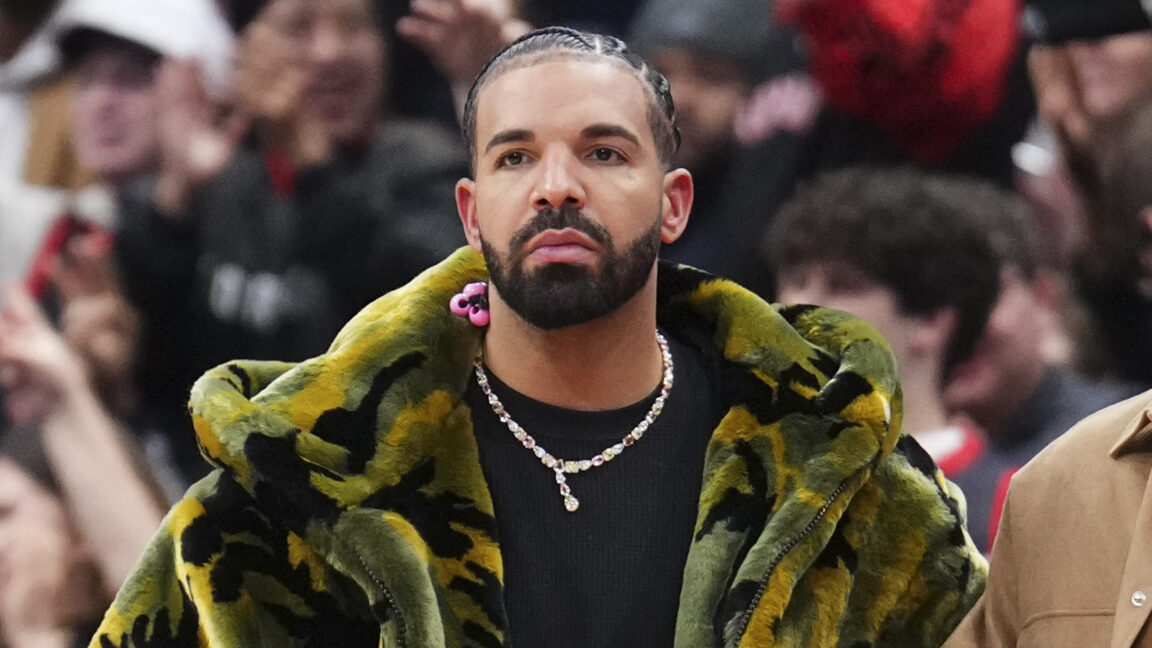
RBX specifically points to streams of Drake’s 2024 hit, “No Face,” as evidence of widespread fraud. The lawsuit alleges that during a four-day period, at least 250,000 streams of the song originated in Turkey but were falsely attributed to the united Kingdom through the use of VPNs.
The data gets even more peculiar.The lawsuit claims a notable percentage of streams came from areas with populations too small to support the volume of activity. In some instances, over 100 million streams reportedly originated from locations with no residential addresses at all.
Consider this startling statistic presented in the lawsuit: nearly 10% of Drake’s streams came from users whose location data indicated they traveled a minimum of 15,000 kilometers in a single month. Furthermore, the data showed users moving over 500 kilometers between consecutive songs – roughly the distance between New York City and pittsburgh. these patterns, RBX argues, should be a clear red flag.
Spotify’s Incentive: Why Isn’t More Being Done?
RBX doesn’t just accuse Spotify of inaction; it alleges a deliberate motive.The lawsuit suggests Spotify benefits from the inflated stream counts generated by fraudulent activity.
One key point raised is Spotify’s policy of allowing free, ad-supported accounts to sign up without requiring a credit card. RBX argues that eliminating this practice would significantly reduce fraudulent activity, but Spotify hasn’t done so, implying a financial incentive to overlook the problem. While Spotify hasn’t directly addressed this claim, the company’s revenue model relies heavily on ad impressions, which are directly tied to stream counts.
what does This Mean for Artists and the Future of Music Streaming?
This lawsuit raises critical questions about the fairness and transparency of music streaming platforms. If RBX’s allegations are true, artists are being shortchanged, and the integrity of music charts is compromised.
The outcome of this case could have significant implications for the entire industry, potentially forcing Spotify and other streaming services to implement more robust fraud detection measures and prioritize artist compensation.
Evergreen Insights: The Ongoing Battle Against streaming Fraud
The issue of streaming fraud isn’t new. It’s an evolving cat-and-mouse game between platforms and those seeking to manipulate the system. As technology advances, so too do the methods used to generate fake streams. This highlights the need for continuous investment in sophisticated detection algorithms and a proactive approach to identifying and penalizing fraudulent activity. Beyond technological solutions,a greater emphasis on transparency and artist advocacy will be crucial in ensuring a fair and sustainable ecosystem for the music industry. the core issue isn’t just about money; it’s about valuing the creative work of artists and preserving the authenticity