
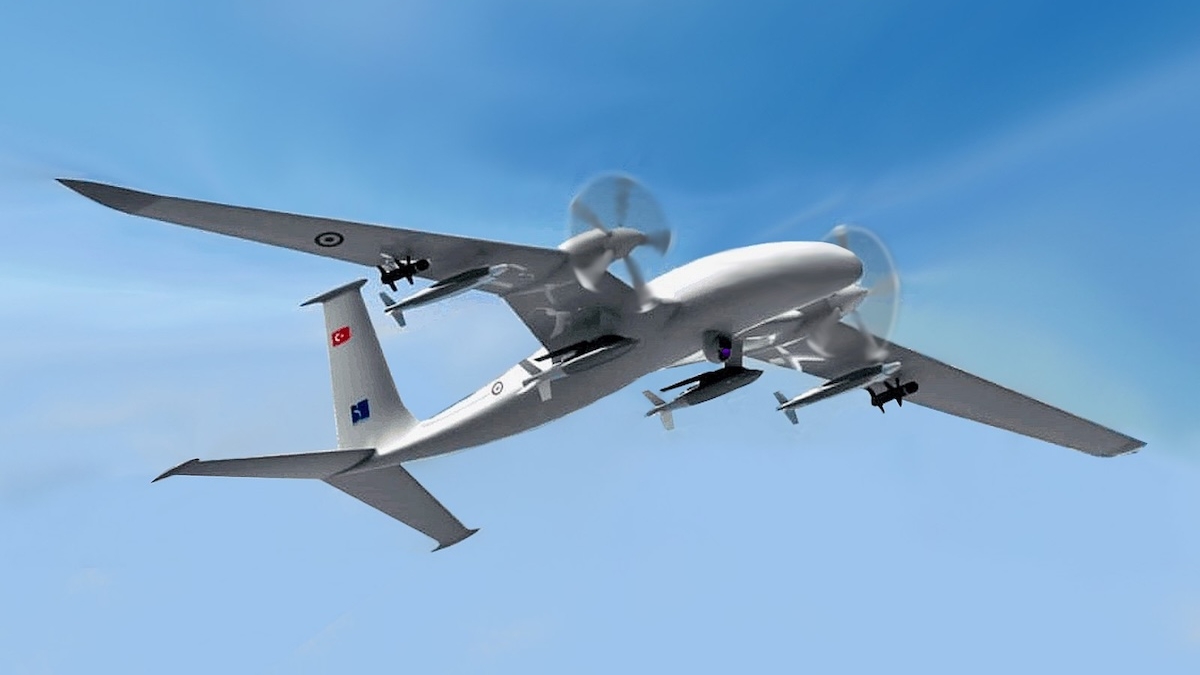
The Global Drone Power Shift: Analyzing the Rise of Turkey and Beyond
The landscape of modern warfare is being fundamentally reshaped by drone technology, and with it, the global arms market is experiencing a dramatic power shift. No longer solely the domain of established military superpowers, the ability to develop, manufacture, and export unmanned aerial vehicles (UAVs) – commonly known as drones – has become a key indicator of geopolitical influence. While the United States historically dominated this sector, recent data reveals a compelling new reality: Turkey has emerged as the leading drone exporter, challenging the established order. But what’s driving this change, and what does it mean for global security? This article delves into the intricacies of the drone export market, examining the key players, underlying motivations, and future trends.
The New Drone Export Leaders: A Shifting Hierarchy
For decades, the United states held a near-monopoly on advanced military drone technology. Though, a confluence of factors – including evolving geopolitical dynamics, strategic investments in domestic capabilities, and a willingness to engage in arms exports – has allowed other nations to gain critically important ground.
According to the Center for a New American Security (CNAS) and recent reports from the Stockholm International Peace Research Institute (SIPRI) (data updated November 2023), the current top drone exporters are:
- Turkey: Leading the pack with a focus on battle-tested, cost-effective models like the bayraktar TB2.
- China: Rapidly expanding its drone export market, offering a range of UAVs for both military and civilian applications.
- United States: Still a major player, but facing increased competition and export restrictions.
- Iran: Increasingly assertive in the drone market, particularly in regions with limited access to Western technology.
- Israel: A long-standing innovator in drone technology, focusing on high-end, specialized systems.
- Russia: Actively seeking to expand its drone exports, particularly to countries aligned with its strategic interests.
| Country | key Strengths | Typical Export Focus |
|---|---|---|
| turkey | Cost-effectiveness, Battle-proven performance, Rapid deployment | Tactical reconnaissance, Light strike capabilities |
| China | Wide range of models, Competitive pricing, Civilian & Military applications | Surveillance, Border security, Agricultural monitoring |
| United States | Advanced technology, high precision, global reach | Strategic reconnaissance, Targeted strikes, High-end surveillance |
Beyond Economics: The Geopolitical Implications of Drone Exports
Arms exports are rarely solely about economic gain. They are powerful instruments of foreign policy, allowing


