
Did You Know? In September 2024,the Danish Defence Intelligence Service (FE) reported a 40% increase in detected unauthorized drone activity compared to the previous year,signaling a growing concern over airspace security in the region.
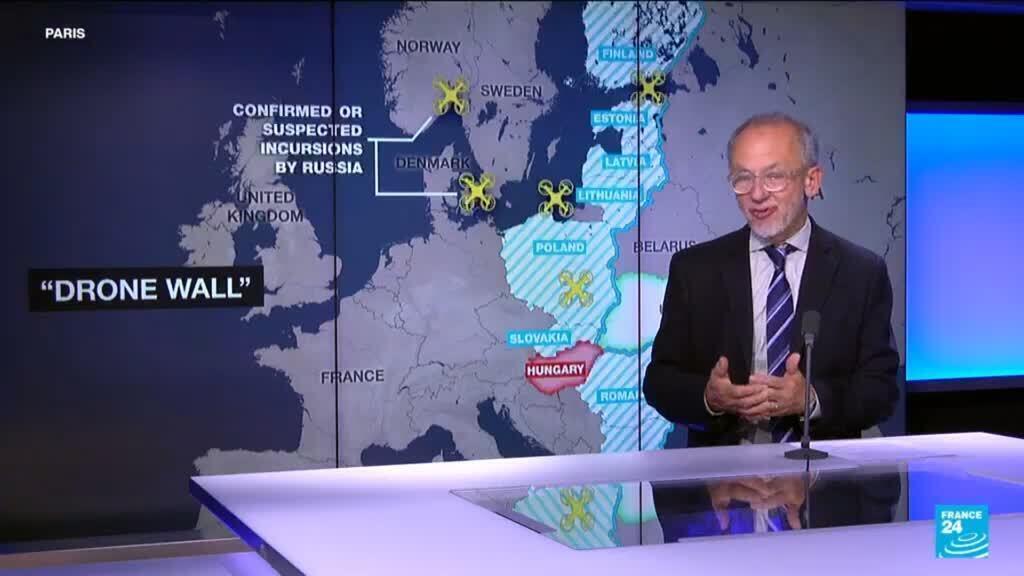
Recent hours have witnessed a resurgence of unidentified aerial phenomena over Denmark, prompting heightened vigilance from the nation’s defense forces. On Saturday, September 28, 2025, at approximately 02:32:59, the Danish defense ministry confirmed the observation of drones near multiple defense installations throughout the country during the overnight period spanning Friday and Saturday. This development follows a series of similar incidents earlier in the week, which led to temporary disruptions at several Danish airports, raising questions about the evolving nature of aerial security threats.
Increased Drone Sightings and National Security Concerns
The latest reports indicate that these unmanned aerial vehicles (UAVs) were detected hovering in the vicinity of key defense infrastructure. While the specific nature of these drones and their operators remain undetermined, the repeated occurrences are fueling anxieties regarding potential espionage, sabotage, or other malicious activities. the Danish military is currently undertaking thorough investigations to ascertain the origins and intentions behind these flights.
Pro Tip: Implementing a robust drone detection and countermeasure system, including radar, acoustic sensors, and radio frequency (RF) jammers, is crucial for protecting critical infrastructure from unauthorized drone access.
The initial wave of drone sightings earlier this week caused significant operational challenges, particularly for air travel. Airports, including Copenhagen Airport, were compelled to suspend flights temporarily as a precautionary measure, resulting in delays and inconvenience for passengers. These disruptions underscore the vulnerability of civilian airspace to unauthorized drone activity and the need for effective mitigation strategies. According to data released by the Danish Transport Authority on September 26, 2025, the airport closures impacted over 15,000 travelers and resulted in an estimated economic loss of $2.5 million.
Analyzing the Potential Threats and Responses
The recurring nature of these incidents suggests a purposeful and coordinated effort, rather then isolated occurrences. Experts speculate that the drones could be employed for a variety of purposes,ranging from reconnaissance and intelligence gathering to more aggressive actions. The proximity of these drones to defense facilities raises the possibility of attempts to map security protocols, identify vulnerabilities, or even deliver payloads.
“The repeated drone sightings in Denmark are a clear indication that airspace security is becoming an increasingly complex challenge for European nations. The ease with which drones can be acquired and deployed makes them an attractive tool for both state and non-state actors.”
Denmark is not alone in facing this challenge. Several European countries, including Sweden, Finland, and Poland, have reported similar incidents in recent months, indicating a broader trend of increased drone activity in the region. This has prompted calls for greater cooperation among nations to share intelligence, develop common security protocols, and enhance airspace monitoring capabilities.The European Union Aviation Safety Agency (EASA) is currently working on a extensive regulatory framework for drone operations, aiming to balance innovation with security concerns.
Did You Know? The global drone detection market is projected to reach $3.5 billion by 2027,driven by increasing security threats and the proliferation of drone technology (Source: Drone Industry Insights,September 2025).
The Danish government has responded to the escalating situation by increasing surveillance measures and deploying additional resources to monitor airspace. The defense ministry has also emphasized the importance of public awareness and encouraged citizens to report any suspicious drone activity. Furthermore, discussions are underway regarding the potential implementation of stricter regulations governing drone operations, including mandatory registration, geofencing, and remote identification requirements.
The Future of Airspace Security: Counter-Drone Technologies
Addressing the threat posed by unauthorized drones requires a multi-layered approach that combines advanced technology, robust regulations, and international cooperation. Counter-drone technologies
are rapidly evolving, offering a range of solutions for detecting, identifying, and neutralizing unwanted uavs. These technologies include:
* Radar Systems: Capable of detecting drones at long ranges, even in adverse weather conditions.
* Acoustic Sensors: Identify drones based on their unique sound signatures.
* Radio Frequency (RF) Jammers: Disrupt the communication links between drones and their operators.
* Directed Energy Weapons: Employ lasers or microwaves to disable drones.
* Net Guns: Physically capture drones using nets launched from the ground or another platform.




![Lou Reed, Ramones & Green Day: Inside Story of Music Producer [Name]](https://i0.wp.com/consequence.net/wp-content/uploads/2025/12/Howie-Klein-Lou-Reed.jpg?resize=150%2C100&ssl=1 "Lou Reed, Ramones & Green Day: Inside Story of Music Producer [Name]")


