
Dubai’s Housing Crisis: A Growing Precarity for Low-Income Workers
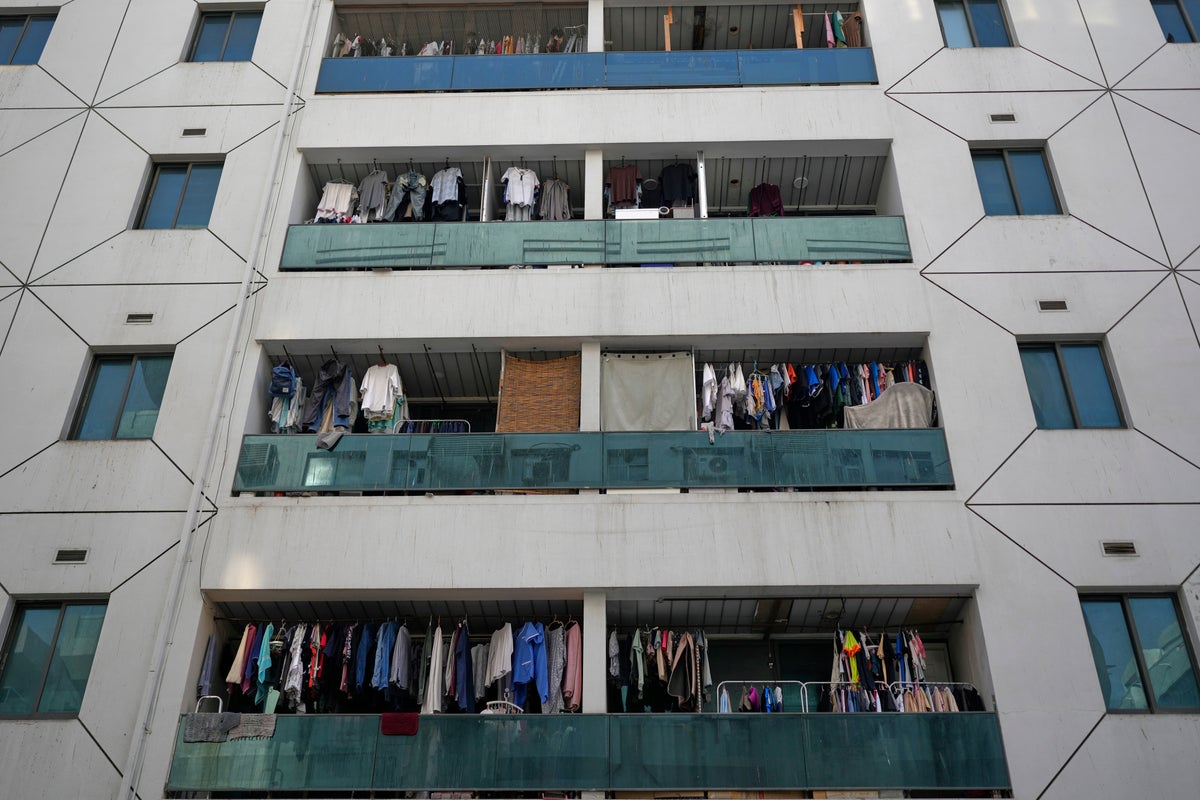
Dubai, a global hub of commerce and tourism, is facing a deepening housing crisis impacting its large population of low-income migrant workers. Recent government inspections are uncovering widespread illegal partitioning of apartments, forcing vulnerable residents into increasingly precarious living situations. This situation raises serious questions about affordability, safety, and teh well-being of those who fuel the city’s economy.
A Hidden Reality of Overcrowding
Many workers, like Hassan, a 24-year-old security guard from Uganda, are forced to share cramped accommodations to afford the city’s high cost of living. He currently shares a bed in a partitioned apartment with a friend, constantly fearing discovery by authorities. The threat is real - officials can order eviction with little to no recourse for those displaced.
This isn’t a new issue. Dubai has previously addressed overcrowded apartments, notably following a series of fires exacerbated by flammable building materials. The latest crackdown was triggered by a June blaze in a 67-story Dubai Marina tower where illegal partitioning was prevalent.
Investigations revealed a shocking density: over 3,800 residents were evacuated from a building with only 532 occupied apartments. This translates to an average of seven people living in each unit, comprised of one-, two-, and three-bedroom flats. Sadly, dozens of homes were rendered uninhabitable due to the fire.
The Human Cost of Unsafe Housing
While the Marina fire resulted in no major injuries, the dangers of partitioned housing were tragically highlighted in 2023. A fire in Dubai’s historic Deira neighborhood claimed the lives of at least 16 people and injured nine more, originating in a partitioned unit. These incidents underscore the critical safety risks associated with these illegal living arrangements.
The situation is particularly dire for those already struggling financially. ebony, a 28-year-old odd-job worker from Ghana, recently lost her housing after authorities discovered her partitioned apartment. She described living in a tiny space with a roommate sleeping on a makeshift plywood loft, barely enough room to stand without hitting her head.
Now, she resides in a single room shared by 14 – and sometimes over 20 - people, rotating occupants and sharing beds. Earning approximately $400 a month, Ebony feels she has no viable alternatives and lives in constant fear of further displacement.
Why is this happening?
Several factors contribute to this growing crisis:
High Cost of Living: Dubai’s rapid advancement and popularity have driven up housing costs significantly.
income Disparity: A large segment of the workforce earns relatively low wages, making affordable housing scarce.
Limited Regulation & Enforcement: While regulations exist, consistent enforcement against illegal partitioning has been lacking.
Demand for Affordable Options: Workers are actively seeking the cheapest possible housing, creating a market for partitioned apartments despite their illegality.
Looking Ahead: addressing the Root Causes
The current situation demands a comprehensive solution. Simply cracking down on illegal partitioning without addressing the underlying issues will only exacerbate the problem. Here’s what needs to happen:
Increase Affordable Housing Supply: The government needs to prioritize the development of affordable housing options specifically targeted towards low-income workers.
Strengthen Enforcement: Consistent and rigorous enforcement of building codes and regulations is crucial.
Review Labor Laws: Examining and potentially adjusting labor laws to ensure fair wages and protect workers’ rights could alleviate financial strain.
Community Partnerships: Collaboration with NGOs and community organizations can provide support and advocacy for vulnerable residents.
Ultimately, ensuring safe and affordable housing for all residents is not just a matter of compliance, but a moral imperative. Dubai’s continued success depends on the well-being of the workforce that drives its economy. Ignoring this growing crisis risks undermining the city’s reputation and creating a deeply unsustainable social situation.


