
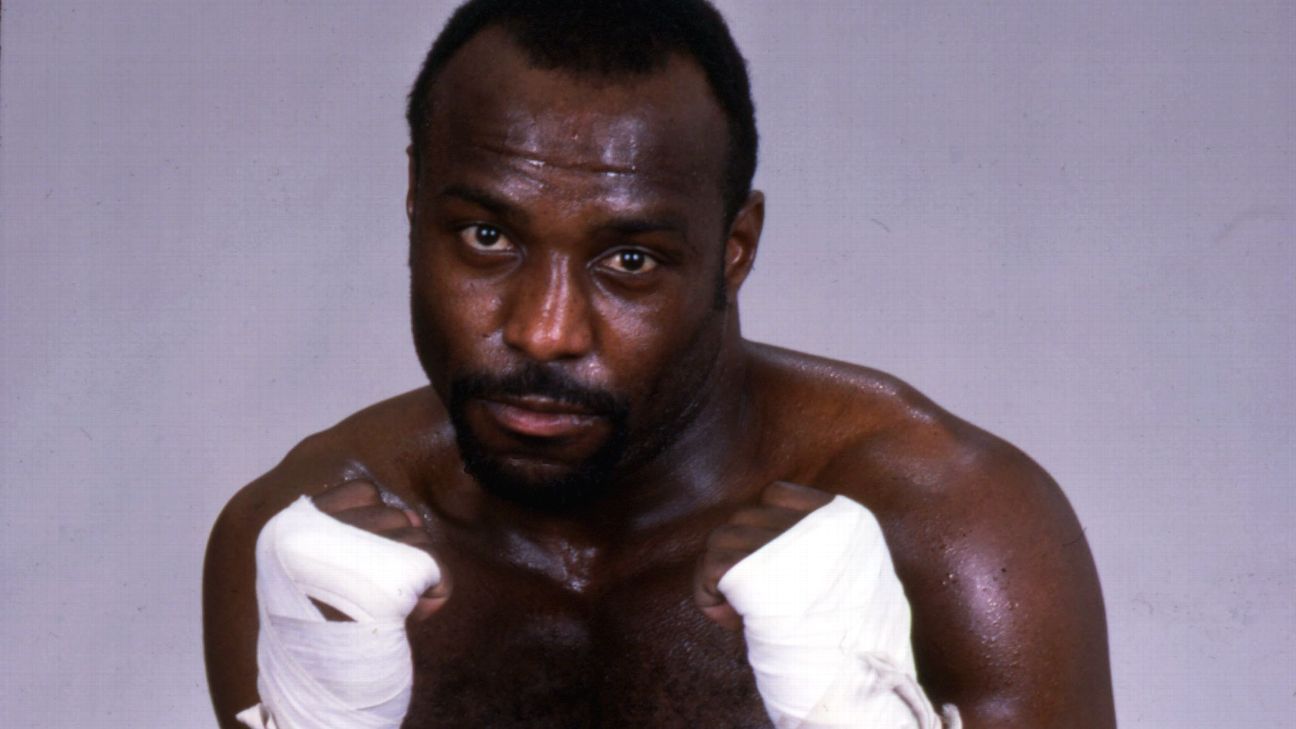
Dwight Muhammad Qawi: From Prison Yard to Boxing Glory – A Legacy Remembered
Dwight Muhammad Qawi, a name synonymous with grit, determination, and a relentless fighting spirit, has passed away at the age of 72. He leaves behind a legacy forged in the crucible of adversity and cemented by two world championships.His sister, Wanda King, confirmed his death on Friday, following a five-year battle with dementia.
A Troubled Youth and a Transformative Path
Born Dwight Braxton in Baltimore, Maryland, Qawi’s early life took a tough turn, leading him to grow up in Camden, New Jersey. He found himself incarcerated at rahway State Prison,serving time for armed robbery. However, it was within those prison walls that a new path emerged.
Qawi discovered boxing through the prison program, a discipline that would ultimately redefine his life. He channeled his energy and frustration into the sport,honing his skills and developing the ferocious style that would become his trademark. Upon his release in 1978, at the age of 25, he turned professional, embarking on a journey that would captivate the boxing world.
The Rise of “The Camden Buzzsaw“
Quickly establishing himself as a force to be reckoned with, Qawi legally changed his name in 1982 after converting to Islam. This marked a turning point, both personally and professionally. He soon claimed the WBC light heavyweight title in December 1981, delivering a stunning 10th-round stoppage of Matthew Saad Muhammad.
Qawi’s dominance continued, as he emphatically defeated Saad Muhammad again eight months later, this time in just six rounds. This cemented his reputation as a devastating puncher and a true champion. standing at just 5-foot-7, Qawi earned the nickname ”The Camden buzzsaw” for his relentless aggression and unwavering intensity.
Expanding His Reign and Facing Legends
Following a hard-fought loss to Michael Spinks in March 1983, Qawi demonstrated his versatility by moving up in weight. He successfully captured the WBA cruiserweight title in July 1985, defeating Piet Crous.
However, his reign at cruiserweight was challenged by a rising star – Evander Holyfield. In a grueling 15-round battle in July 1986, Qawi lost his title to Holyfield, who would later become a heavyweight champion himself. He even ventured into the heavyweight division, facing the formidable George Foreman, who stopped him in seven rounds.
A Hall of fame Career and Beyond the Ring
Qawi ultimately retired in 1998 at the age of 46, concluding his career with a record of 41 wins, 11 losses, and 1 draw, with 25 knockouts. His achievements were rightfully recognized with his induction into the International Boxing Hall of Fame in 2004.
But Qawi’s impact extended far beyond the boxing ring. After retiring, he dedicated himself to giving back to his community. He worked as a boxing trainer,mentoring young athletes,and also served as a youth advocate and a counselor specializing in drug and alcohol rehabilitation.
A Legacy of Resilience and Redemption
Dwight Muhammad Qawi’s story is a testament to the power of redemption and the transformative potential of sport. You can see how he overcame a troubled past to achieve greatness, inspiring countless individuals along the way. His relentless spirit,unwavering determination,and commitment to helping others will continue to resonate for generations to come. He will be deeply missed, but his legacy will endure as a shining exmaple of courage, resilience, and the enduring power of the human spirit.





