
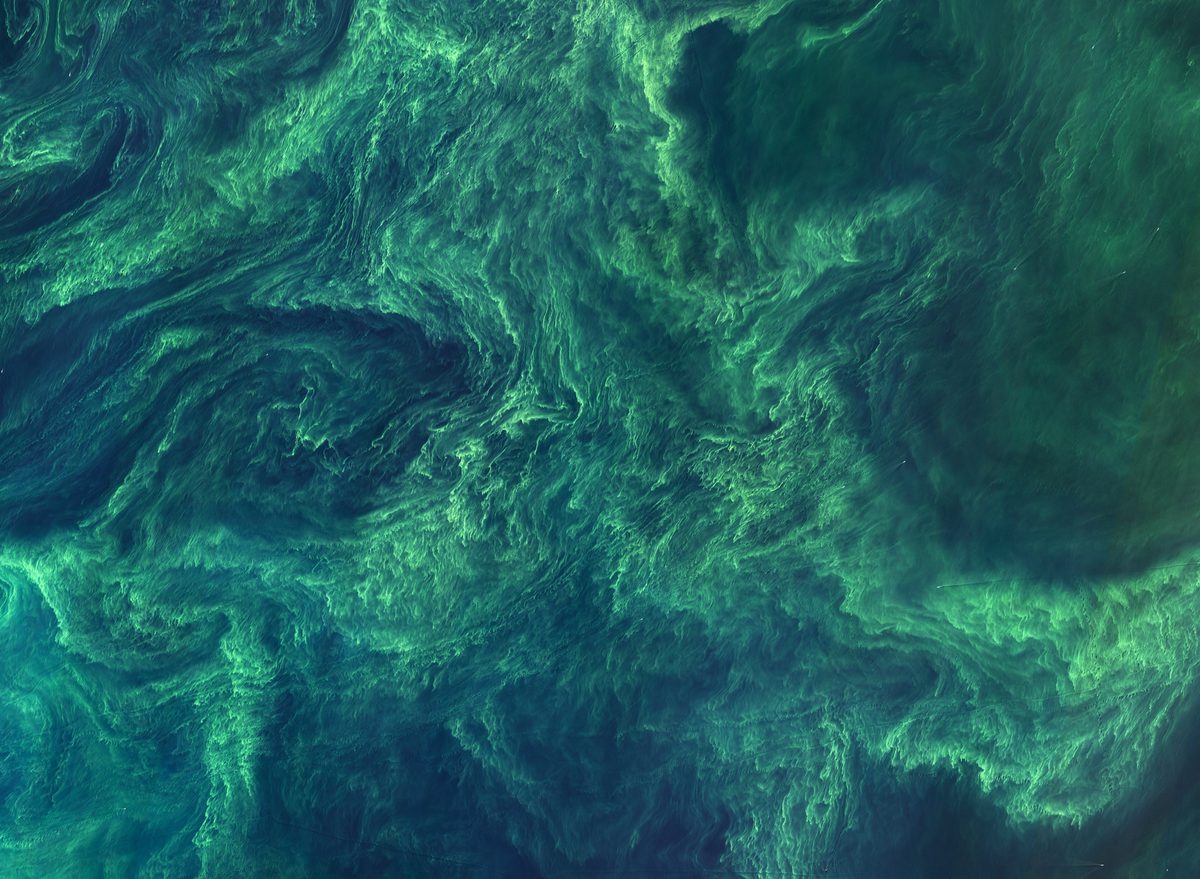
Human activity is reshaping our planet at an unprecedented rate, fundamentally altering landscapes and atmospheric conditions. Consider this: we’re not just building cities and farms, we’re actively changing the very composition of the air we breathe, and the evidence is increasingly visible even from the vantage point of space. Understanding the environmental impact of these changes is crucial for informed decision-making and a sustainable future.
The Visible Transformation of Earth
Recent imagery reveals the escalating scale of human influence on Earth’s surface. it’s a stark reminder that our actions have consequences, and these consequences are now observable on a global scale. I’ve found that visualizing these changes – seeing the Earth’s transformation with your own eyes – is often more impactful than reading statistics.
For decades, scientists have documented the increasing levels of greenhouse gases in the atmosphere, directly linked to human activities like burning fossil fuels and deforestation. According to the Environmental Protection Agency, global greenhouse gas emissions reached a record high in 2022, despite growing awareness and mitigation efforts. This isn’t just about abstract climate models; it’s about tangible changes happening now.
These changes aren’t limited to atmospheric composition. The conversion of natural habitats into agricultural land and urban centers is dramatically altering ecosystems and biodiversity. A 2023 report by the World Wildlife Fund estimates that we’ve lost over 69% of wildlife populations since 1970, largely due to habitat loss and degradation.
Understanding the Human Imprint
what does this ”human imprint” actually look like? It manifests in several key ways:
- Urban Sprawl: The relentless expansion of cities, consuming surrounding land and altering natural drainage patterns.
- Deforestation: The clearing of forests for agriculture, logging, and development, releasing stored carbon into the atmosphere and reducing biodiversity.
- Agricultural Intensification: The increasing use of fertilizers, pesticides, and irrigation, impacting soil health and water quality.
- Infrastructure Development: The construction of roads, dams, and pipelines, fragmenting habitats and disrupting ecosystems.
Did you Know? The Amazon rainforest, often called the “lungs of the planet,” is facing unprecedented deforestation rates, threatening its ability to regulate global climate patterns.
These aren’t isolated incidents; they’re interconnected processes that are collectively reshaping the planet.Here’s what works best when considering these issues: look at the bigger picture. the impact of one action frequently enough ripples through entire ecosystems.
The Role of Satellite Imagery
Satellite technology provides an invaluable tool for monitoring these changes. High-resolution imagery allows us to track deforestation, monitor urban growth, and assess the health of ecosystems with unprecedented accuracy. This data is essential for informing conservation efforts and developing sustainable land management practices.
The ability to observe these changes from space offers a unique outlook, highlighting the interconnectedness of our planet and the far-reaching consequences of our actions. It’s a powerful reminder that we are all part of a global ecosystem, and our choices have a ripple effect.
Pro Tip: Explore interactive maps and satellite imagery platforms like NASA’s Earth Observatory to visualize the changes happening in your region and around the world.
As we move forward, it’s crucial to prioritize sustainable practices and invest in technologies that can help us mitigate the environmental impact of our actions. The future of our planet depends on it. The concept of sustainable development is no longer a choice, but a necessity.
ultimately, understanding the scale of human impact on Earth is the first step towards creating a more sustainable future. By acknowledging the challenges and embracing innovative solutions, we can work towards a planet where both humanity and nature can thrive. What steps will you take to contribute to a more sustainable world?
Key Facts: Human Impact on Earth (2026)
| Area of Concern | Recent Data (as of Jan 8, 2026) |
|---|---|
| global Greenhouse Gas Emissions | Record high in 2022, continuing upward trend. |
| Wildlife Population Decline | Over 69% decline as 1970. |
| Amazon Rainforest deforestation | accelerated rates, threatening climate regulation. |




