## The Looming Threat to Earth System Modeling: Will US Leadership Slip?
The ability to accurately predict our planet’s future – from shifting climate patterns to extreme weather events – hinges on refined Earth system models. Thes complex simulations, built over decades of research and requiring immense computational power, are becoming increasingly vital as we grapple with the escalating impacts of climate change. But a quiet crisis is brewing: potential funding cuts threaten to undermine US leadership in this critical field, perhaps shifting expertise and innovation overseas. Are we on the verge of losing a crucial advantage in understanding and preparing for the future of our planet?
Recent reports indicate a concerning trend in scientific funding,especially impacting long-term research projects like the Energy Exascale Earth System Model (E3SM). This isn’t simply about academic pursuits; it’s about national security, economic stability, and the well-being of future generations. The US has long been at the forefront of climate modeling, boasting research universities and government labs that are globally renowned. But this position is not guaranteed.
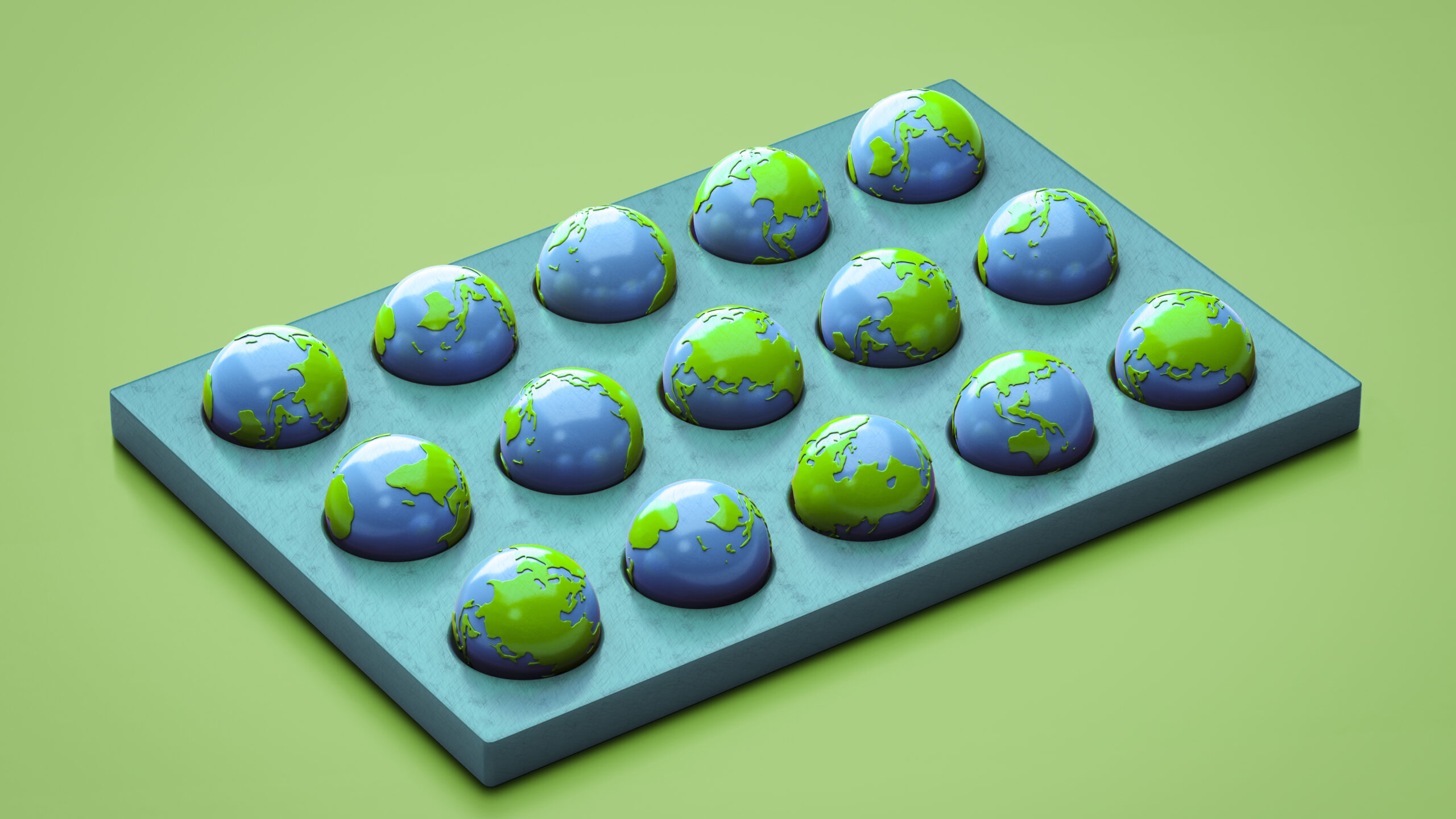
The Race to Model a “Digital Twin” of Earth
E3SM scientists are striving to create a “digital twin” of Earth – a virtual replica capable of mirroring the planet’s intricate systems with unprecedented accuracy. this aspiring goal involves integrating vast amounts of data from chemistry, physics, and biology to simulate how Earth changes over time and the variations within long-term projections.Imagine being able to accurately predict not just the average temperature increase, but also the likelihood of extreme events like the unexpected cold snaps that can still grip regions like Colorado, even amidst a warming trend.
This isn’t a quick process. Developing even the current iteration of E3SM has taken over a decade of dedicated software development and refinement. “The models are very big in terms of how much code ther is,” explains Dr. Mark Lawrence, an earth system scientist at the National Center for Atmospheric Research (NCAR). The sheer scale and complexity require sustained investment and a highly skilled workforce.
Pro Tip: Understanding the difference between weather and climate is crucial when interpreting model outputs. Weather refers to short-term atmospheric conditions, while climate represents long-term patterns. Models excel at predicting climate trends, but pinpointing specific weather events far in advance remains a significant challenge.
Dr. Lawrence, who previously led the Community Earth System Model (CESM) – a foundational project for E3SM – understands the immense undertaking. However,obtaining insights directly from Lawrence Livermore National Laboratory,the lead institution for E3SM’s development,proved arduous. A spokesperson declined to comment, citing restrictions on discussing the project publicly. This lack of transparency, while perhaps procedural, raises concerns about the openness of this vital research.
The potential consequences of reduced funding are far-reaching. Experts warn that cuts could force the relocation of modeling capabilities to other countries, potentially leading to a loss of US expertise and a weakening of our scientific standing. Andrew Dessler, a professor of atmospheric sciences at texas A&M University, believes that countries like China are poised to capitalize on any US retreat. “It would have been very hard for them to have a more respected scientific association or scientific system than the US did,” Dessler states. “Our research universities are really the envy of the world, and our government labs are the envy of the world.” But that advantage is eroding.
Pro Tip: explore interactive climate models and data visualizations to gain a deeper understanding of climate change projections. Resources like NASA’s Climate Change website offer accessible tools for exploring climate data.
This isn’t just about national pride; it’s about practical implications. Accurate climate predictions are essential for informed decision-making across a wide range of sectors, including agriculture, infrastructure planning, and disaster preparedness. A decline in US modeling capabilities could hinder our ability to effectively mitigate and adapt to the impacts of climate change. Furthermore, the development of these models drives innovation in areas like high-performance computing and data science, creating economic opportunities and bolstering technological advancement.Are we willing to sacrifice these benefits?