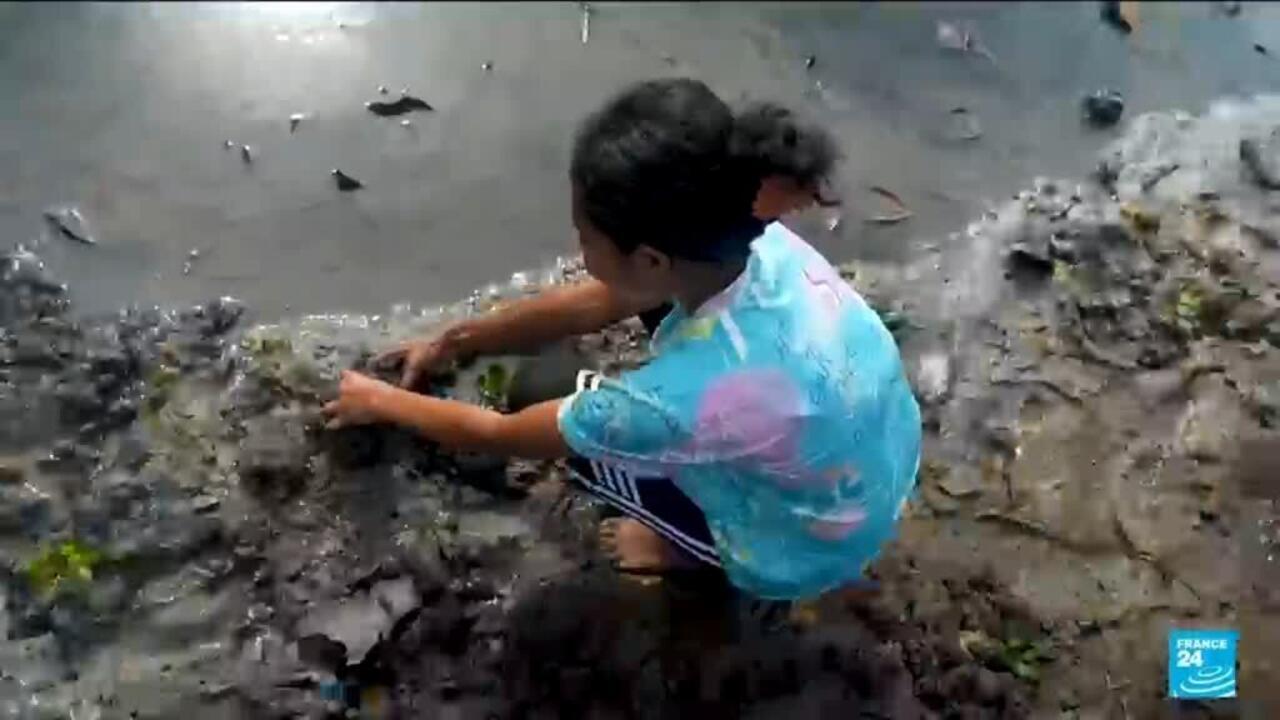
The Vanishing Catch: Climate Change & East Timor’s Fight for its Fisheries
Are you concerned about the escalating impacts of climate change on vulnerable communities? East Timor, a small island nation in Southeast Asia, is facing a stark reality.Global warming isn’t a distant threat; it’s actively dismantling a vital part of their livelihood – the fishing industry. This article explores the challenges, innovative solutions, and the urgent need for global attention.
Coastal Erosion and Declining Marine Life
East Timor, home to 1.4 million people, is notably susceptible to the effects of a warming planet. Rising sea levels and increased coastal erosion are rapidly reshaping the coastline. Consequently, critical fish breeding grounds are being destroyed, leading to dwindling marine resources. This impacts not only the ecosystem but also the food security and economic stability of the nation.
Recent data from the World Bank (October 2024) indicates a 30% decline in fish stocks around East Timor’s coast over the last five years. This alarming trend necessitates immediate action. Overfishing, exacerbated by climate change, is pushing local communities to the brink.
Understanding the Challenges:
* Rising Sea Temperatures: Affecting fish migration patterns and coral reef health.
* Ocean Acidification: Disrupting the marine food chain.
* Extreme Whether Events: Increasing frequency and intensity of storms damaging fishing infrastructure.
* sustainable fishing practices are crucial for long-term viability.
What can be done to address these issues? Local communities are already demonstrating remarkable resilience.
Innovative Solutions from the Ground Up
Despite the daunting challenges, East Timor’s communities aren’t passively waiting for disaster. They are actively implementing imaginative strategies to combat overfishing and protect their marine environment. these include establishing tare, traditional marine resource management areas, and promoting sustainable aquaculture.
These tare function as no-take zones, allowing fish populations to recover and replenish surrounding waters. Furthermore, community-led patrols are actively monitoring and preventing illegal fishing practices.This grassroots approach is proving remarkably effective.
Practical Steps You Can Support:
- Advocate for Climate Action: Urge your representatives to support policies reducing greenhouse gas emissions.
- Support sustainable Seafood: Choose seafood from responsibly managed fisheries. Look for certifications like the Marine Stewardship Council (MSC). https://www.msc.org/
- donate to Conservation Organizations: Support groups working to protect marine ecosystems in vulnerable regions.
The bigger Picture: A Global Responsibility
East Timor’s struggle isn’t isolated. It’s a microcosm of the broader climate crisis impacting coastal communities worldwide. Addressing this requires a concerted global effort. Developed nations have a responsibility to provide financial and technical assistance to vulnerable countries like East Timor.
Investing in climate adaptation measures,promoting sustainable fishing practices,and reducing carbon emissions are all essential steps. Ignoring this crisis will have devastating consequences, not just for East Timor, but for the planet as a whole. Consider the impact of marine conservation and coastal management on the future.
Evergreen Insights: The Importance of Local Knowledge
Traditional ecological knowledge (TEK) plays a vital role in effective conservation. For generations,coastal communities have possessed a deep understanding of their marine environment. Integrating TEK with modern scientific approaches is crucial for developing sustainable solutions.This collaborative approach ensures that conservation efforts are culturally appropriate and locally relevant.
FAQ: Addressing Your Concerns
- How does climate change specifically impact East Timor’s fisheries? rising sea temperatures,ocean acidification,and extreme weather events are destroying fish habitats and disrupting marine ecosystems.
- What are tare and how do they help? Tare are traditional marine resource management areas that function as no-take zones, allowing fish populations to recover.
- Can sustainable aquaculture help alleviate the problem? Yes, responsibly managed aquaculture can provide an option source of seafood and reduce pressure on wild fish stocks.